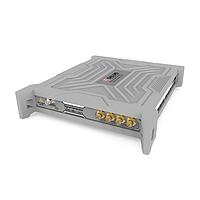
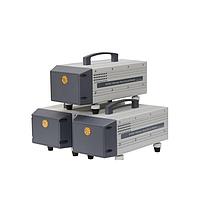
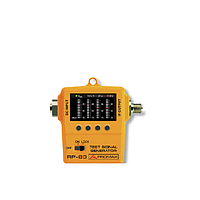
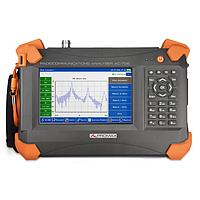
Signal generator
Accurate test signals are essential when validating RF paths, broadcast equipment, telecom links, and digital interfaces. A well-chosen signal generator helps engineers reproduce stable conditions, inject known modulation, and verify how a device or system responds before deployment, maintenance, or troubleshooting.
In telecom and TV measurement workflows, signal generation is often the starting point for repeatable testing. Whether the task involves FM multiplex evaluation, RDS or DARC verification, or controlled digital pattern output for interface analysis, this category brings together instruments designed to create consistent reference signals for technical inspection and performance checks.
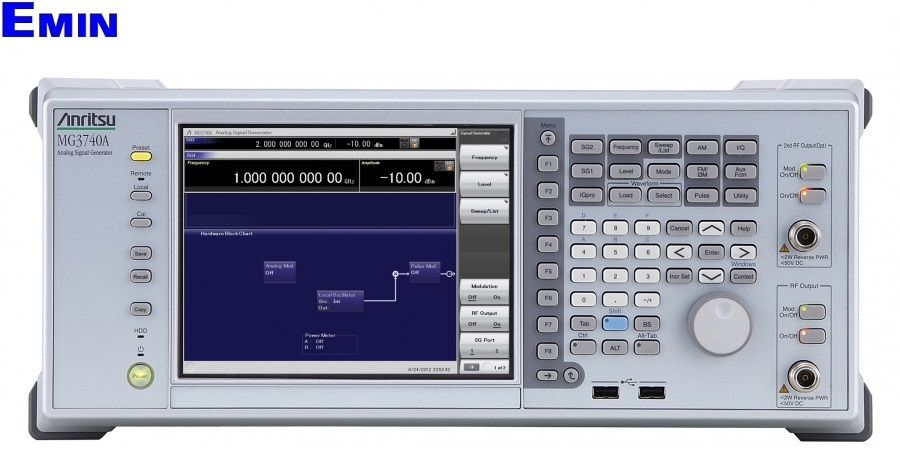
Where signal generators fit in telecom and broadcast testing
Signal generators are used whenever a test setup needs a known source rather than an unknown real-world input. In practical terms, that means feeding a receiver, tuner, modulation stage, transmission chain, or digital device with a controllable signal so the engineer can observe sensitivity, distortion, selectivity, decoding behavior, or overall system stability.
They are especially useful when combined with downstream measurement tools. For example, a generated RF or multiplex signal may be checked with a signal analyzer, while RF path condition and matching issues may be investigated with a cable and antenna analyzer. This makes the generator a core part of a broader validation workflow rather than a standalone instrument.
Typical signal generator types in this category
The product mix in this category reflects several common test scenarios. One group focuses on FM multiplex signal generation, including stereo modulation and subcarrier-related functions used in broadcast evaluation. These models are relevant for labs and service teams working with FM transmission chains, tuner verification, and multiplex signal processing.
Another group supports digital pattern generation, where deterministic logic patterns are required to stimulate electronic devices, buses, or digital channels under controlled timing conditions. This is useful when engineers need to reproduce edge cases, verify timing behavior, or test digital input response without relying on a live source.
Depending on the model, users may need RF output, composite output, stereo functions, or digital channel count and timing control. The right selection depends less on product naming and more on the actual signal domain being tested: RF broadcast, composite multiplex, or high-speed digital patterns.
Representative product range and manufacturers
This category includes instruments from manufacturers such as KEISOKU GIKEN and Acute, both relevant to specialized signal generation tasks. KEISOKU GIKEN models shown here are centered on FM multiplex applications, while Acute products in the list address digital pattern generation for electronic testing.
Examples include the KEISOKU GIKEN MSG-2175RST, MSG-2175DRT, and MSG-2175Full for FM multiplex signal generation with combinations of stereo, RDS, and DARC functions. Also listed are the KEISOKU GIKEN MSG-2174 series, which covers variants for FM-ST, RDS, DARC, and combined configurations. For digital applications, the Acute DG4064B and DG4096B provide multi-channel pattern generation for controlled digital stimulus.
Other manufacturers associated with this category context include Fluke Network, THORLABS, Promax, and MURIDEO. Their presence helps indicate the wider ecosystem of telecom, optical, broadcast, and measurement solutions that often intersect with signal generation tasks.
What to consider when selecting a signal generator
The first step is defining the signal format and frequency domain required by the application. If the work involves FM broadcast testing, functions such as stereo modulation, pilot signal handling, RDS, DARC, output level control, and frequency stability become more important than broad generic specifications. If the target is digital electronics verification, channel count, memory depth, timing resolution, clock range, and event control are more relevant.
Output interface and impedance should also match the test environment. In the products listed here, examples include 50 ohm RF output and 75 ohm composite output, which matter when integrating with receivers, modulation stages, lab instruments, or transmission paths. Compatibility at this level affects both measurement reliability and repeatability.
It is also worth considering how the instrument will be controlled. Models with interfaces such as USB, RS-232C, or GP-IB can fit more easily into bench automation, repetitive QC tasks, or engineering validation routines. In many B2B environments, this is just as important as raw signal capability because it affects test throughput and documentation consistency.
Why modulation support matters in broadcast-oriented applications
For FM and multiplex test work, the generator is not simply producing a carrier. It must often simulate the structure of a real broadcast signal, including stereo content, pilot components, and data-bearing subcarriers. That is why features related to RDS, DARC, internal modulation tones, pre-emphasis settings, and modulation mode selection can be critical for realistic evaluation.
In practice, this allows technicians and engineers to verify whether receivers decode program information correctly, whether stereo separation remains acceptable, or whether a transmission chain behaves as expected under known modulation conditions. When troubleshooting, a stable source can help isolate whether the problem comes from the receiver, the encoder, the transmission stage, or the surrounding RF environment.
Where matching and transmission quality are also under review, users may complement generator-based testing with a VSWR analyzer to assess reflected power and impedance-related issues across the signal path.
Digital pattern generators for controlled logic stimulus
Not every signal generator in this category is aimed at RF or broadcast work. Devices such as the Acute DG4064B and DG4096B serve a different but equally important role: generating repeatable digital patterns across multiple output channels. This is useful for validating digital circuits, stressing interfaces, and reproducing operating sequences that may be difficult to obtain from a live system.
In these use cases, engineers typically focus on pattern depth, channel density, data rate, clock behavior, threshold settings, and event-based control. A digital pattern generator can become the source side of a structured debug setup, especially when investigating timing-dependent faults or verifying whether a target responds correctly to programmed state changes.
Because telecom and electronic systems increasingly combine RF, embedded control, and digital subsystems, it is common for signal generation needs to extend beyond traditional analog carrier generation. This broader scope is one reason why the category includes both multiplex and digital pattern instruments.
How to compare models without overfocusing on headline specs
It is easy to compare products only by frequency range or channel count, but that rarely leads to the best fit. A more useful approach is to review the real test objective: bench development, production verification, service maintenance, broadcast alignment, or digital debug. Once that is clear, supporting details such as modulation modes, interface options, level adjustment granularity, and workflow integration become easier to evaluate.
For example, one user may need a compact FM multiplex source with RDS support for receiver testing, while another may need a more fully featured platform covering stereo, RDS, and DARC in one bench instrument. A different team altogether may prioritize a USB-connected digital pattern source for automated hardware validation. The best choice depends on the measurement chain, not just the datasheet headline.
Choosing the right signal source for your test environment
This category is designed for engineers, laboratories, broadcast technicians, and B2B buyers who need dependable signal creation for verification and troubleshooting. From KEISOKU GIKEN FM multiplex models to Acute digital pattern generators, the available range supports both classic broadcast testing and modern electronic validation workflows.
When comparing options, focus on the type of signal you need to generate, the interfaces already used in your setup, and the level of control required for repeatable measurement. A suitable signal generator does more than output a waveform—it helps build a stable, traceable test process across development, maintenance, and operational support.
Get exclusive volume discounts, bulk pricing updates, and new product alerts delivered directly to your inbox.
By subscribing, you agree to our Terms of Service and Privacy Policy.
Direct access to our certified experts