Wave testing equipment
Reliable wireless and RF validation depends on more than a single instrument. In production, R&D, and service environments, engineers often need a practical way to generate, analyze, and verify signals across multiple standards while keeping setup time and test repeatability under control. That is where wave testing equipment becomes especially useful.
This category brings together systems used to test communication signals, RF paths, and wireless device behavior in telecom and electronics workflows. It can support tasks such as transmitter and receiver verification, multi-port production testing, protocol-specific validation, and general signal quality assessment for Wi-Fi, Bluetooth, NFC, cellular, and related applications.
Where wave testing equipment fits in telecom measurement
In practical test benches, wave-related measurement is rarely isolated. Engineers may need to stimulate a device with a clean RF source, observe how it responds, and compare measured performance against expected behavior. This is why many users evaluate this category alongside tools such as a signal analyzer or a signal generator, depending on whether the priority is generation, analysis, or an integrated test workflow.
Wave testing equipment is particularly relevant when a single setup must cover multiple communication standards or support automated testing at scale. Compared with using several standalone instruments, an integrated platform can simplify cabling, reduce switching complexity, and improve consistency from engineering validation through production.
Typical applications across wireless and RF test workflows
The strongest demand for this type of equipment usually comes from teams working with connectivity and wireless devices. Common scenarios include testing Wi-Fi modules, Bluetooth products, IoT devices, NFC interfaces, and cellular designs where repeatable RF measurements are required. In manufacturing, multi-site capability can also help increase throughput when several devices must be tested in parallel.
Another common use case is combined transmitter and receiver verification. Instead of checking only output power or only sensitivity-related behavior, many platforms are designed to support both sides of the RF chain. This is valuable for design qualification, line testing, and troubleshooting when engineers need a broader picture of real device performance rather than a single pass/fail metric.
Representative systems in this category
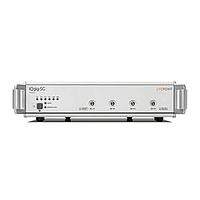
Several products in this category illustrate how broad the application range can be. The Rohde & Schwarz CMW100 Communications Manufacturing Test Set is geared toward communications manufacturing workflows, with integrated RF generation and analysis functions that support receiver and transmitter testing in one platform. Its multi-port structure is well suited to DUT-oriented test environments where routing efficiency and repeatability matter.
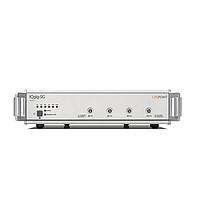
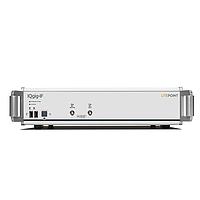
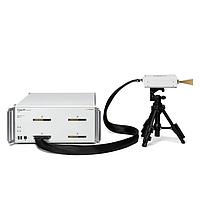
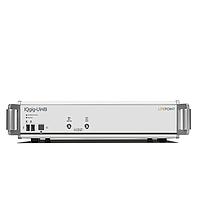
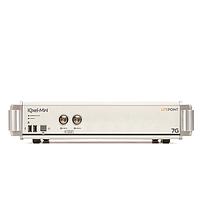
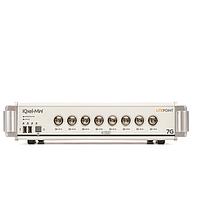
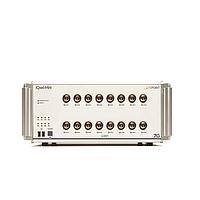
For wireless connectivity applications, Litepoint platforms such as the IQ2010 and IQ2011 Connectivity Test Systems are relevant examples. These systems are positioned around standards such as Wi-Fi, Bluetooth, WiMAX, and NFC, making them suitable for labs or production lines that need one test environment for several radio technologies. For broader mobile and IoT requirements, systems such as IQxstream-M, IQxstream-5G, and IQcell extend the category toward multi-device and cellular signaling use cases.
Adivic solutions also reflect the production-focused side of the category. The MP5010 and MP5200 target Wi-Fi, Bluetooth, GPS, and IoT-related testing, while the MP5806 is oriented toward RF-ready ATE expansion. These examples show that wave testing equipment can range from compact wireless test platforms to more integrated solutions that fit into automated manufacturing architectures.
How to choose the right equipment
The first step is to define the communication standards and frequency coverage that matter for your devices. A team validating Wi-Fi and Bluetooth modules will have a different requirement set from one working on sub-6 GHz cellular or NFC physical layer testing. It is also important to consider whether the instrument must support only current protocols or leave room for future upgrades as product roadmaps evolve.
Next, look at test mode and throughput. Some applications need engineering flexibility, custom waveforms, and interactive debugging; others prioritize automated sequences, API access, and parallel multi-site testing. If your workflow includes fixture-based production or ATE integration, platform architecture often matters just as much as raw RF capability.
Connection topology is another practical factor. Systems with multiple RF ports, switching capability, or combined generator/analyzer functions can reduce the need for extra hardware in manufacturing cells. On the other hand, if your priority is diagnosing feedline or matching issues in the RF path, a dedicated cable and antenna analyzer may be a better complement to your main test setup.
Integrated platforms versus standalone instruments
A common buying decision is whether to choose an all-in-one wireless test system or build a bench from separate instruments. Integrated test platforms are often attractive when the goal is standardized workflows, reduced setup time, and easier automation. They can be especially effective in production, where repeated tests must run with minimal operator variation.
Standalone instruments still have an important role. Separate analyzers and generators may offer a more modular path for labs that already have part of the required setup or need highly specialized measurement methods. In many organizations, the most efficient approach is a mixed ecosystem: an integrated production platform for throughput and a flexible bench for deeper debug and characterization.
The role of accessories and supporting components
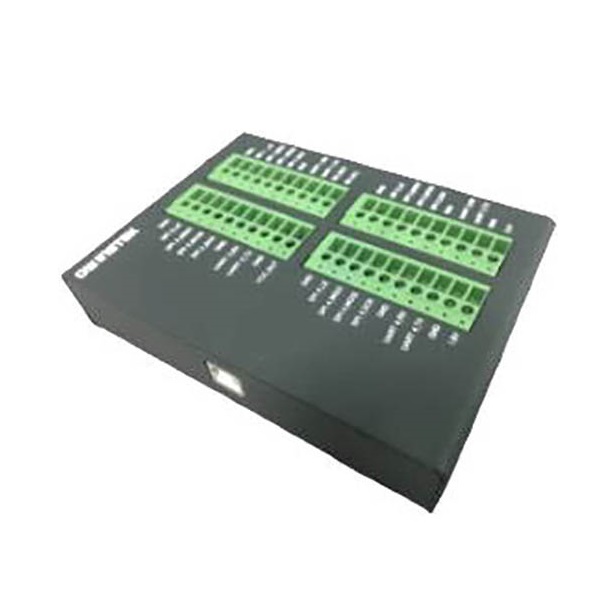
Not every item in this category is a mainframe test system. Supporting components can also be important when building a complete measurement workflow. For example, the GW INSTEK C-1201 I/O Extender with USB Cable is an accessory used for loop test applications rather than a primary RF analyzer or generator.
This matters when planning procurement. A successful test environment usually includes not only the central instrument but also the right interfaces, extenders, control connections, and software integration path. Buyers who evaluate the full ecosystem early often avoid delays later during installation, fixture setup, or automation development.
What buyers should review before ordering
For B2B buyers, the shortlist should go beyond headline specifications. Check whether the platform aligns with your DUT type, required standards, automation method, and expected production volume. It is also useful to confirm whether the test system is intended for R&D, QA, repair, or mass production, because the ideal solution for one environment may not fit another.
When comparing options, review the available software model, port configuration, and expansion path. If your process already depends on external RF measurement tools, it may also be helpful to compare this category with adjacent instruments such as a VSWR or RF path verification tool. In applications focused on transmission line condition and reflection behavior, a VSWR analyzer can provide complementary insight alongside broader wireless test equipment.
Finding the right fit for your test environment
Wave testing equipment covers a wide range of needs, from multi-standard wireless verification to manufacturing-oriented RF automation. The right choice depends on how you test, what standards you support, and whether your priority is flexibility, throughput, or integration into a larger production system.
By reviewing application scope, port architecture, automation needs, and ecosystem compatibility, buyers can narrow the category to solutions that match real operating requirements. Whether the focus is connectivity modules, cellular devices, or integrated RF production test, a well-matched platform helps create more efficient and repeatable measurement workflows.
Get exclusive volume discounts, bulk pricing updates, and new product alerts delivered directly to your inbox.
By subscribing, you agree to our Terms of Service and Privacy Policy.
Direct access to our certified experts