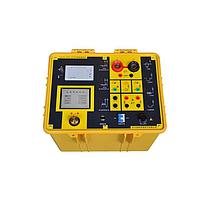
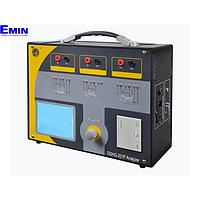
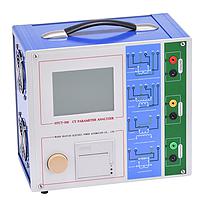
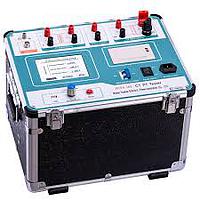
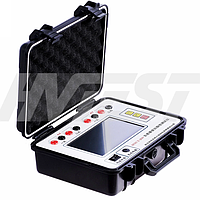
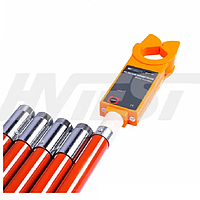
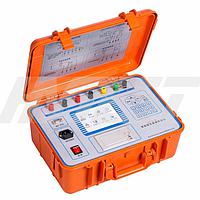
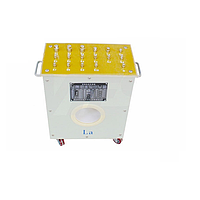
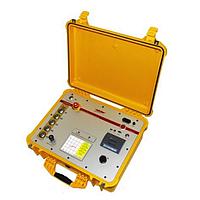
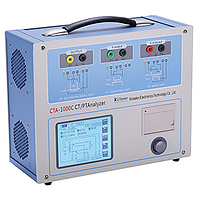
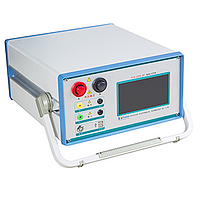
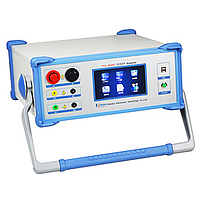
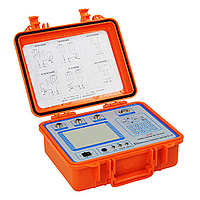
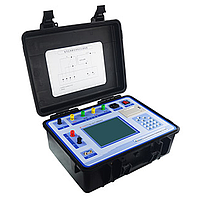
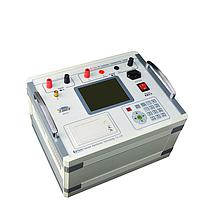
CT/PT Tester
Accurate transformer testing is essential wherever protection relays, metering circuits, and substation assets depend on reliable current and voltage signals. In practice, engineers use dedicated CT/PT testers to verify ratio, polarity, phase relationship, winding condition, and overall measurement performance before commissioning, during maintenance, or after troubleshooting work.
For power utilities, panel builders, testing contractors, and industrial maintenance teams, this category brings together instruments used to assess current transformers (CTs) and potential transformers (PTs) in a more efficient and repeatable way. Instead of relying on fragmented test methods, these systems help consolidate key checks into a single workflow.
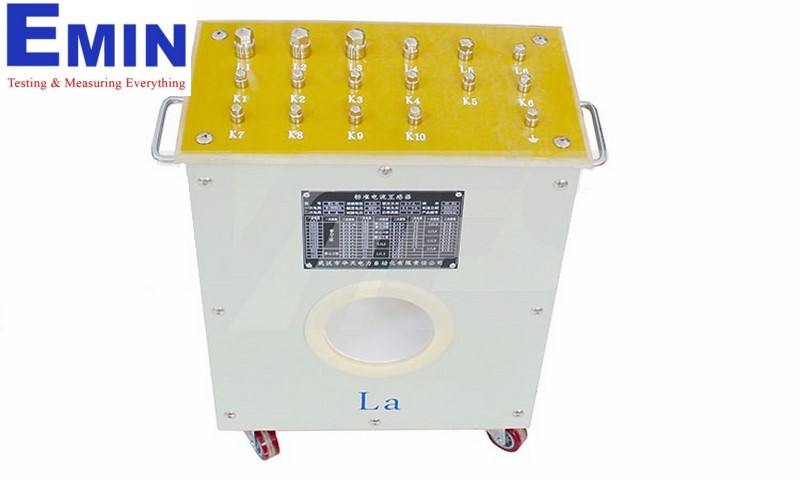
Where CT/PT testers are used
CT and PT verification is a routine requirement in substations, switchgear assembly, relay protection work, transformer maintenance, and electrical acceptance testing. These instruments are especially useful when a team needs to confirm whether a measuring transformer is suitable for protection and metering duties, or when the installed ratio must match system design documents.
They are also relevant during retrofits and fault investigation. If relay performance, metering accuracy, or unexpected phase issues appear in a system, a dedicated tester can help identify whether the root cause is related to the instrument transformer itself, its wiring, or its secondary circuit behavior.
Typical test functions that matter in field work
A modern instrument transformer test setup is valued not just for producing output, but for combining several checks that technicians commonly need on site. Depending on the model, common functions may include ratio measurement, phase measurement, polarity confirmation, burden or load-related checks, and secondary winding resistance evaluation.
Some analyzers are designed to cover a broad ratio range and provide high measurement accuracy for both CT and PT applications. For example, the MultiTech MT-CTPT100 CT and PT Analyser is positioned for ratio and phase-related verification across a wide CT/PT range, making it relevant for commissioning and maintenance teams that work across different transformer classes.
Examples from leading brands in this category
This category includes equipment from RAYTECH and MultiTech, two names often considered when users need practical transformer testing tools for field and workshop environments. The focus here is not simply on brand selection, but on matching the test method to the asset type, required output, and reporting needs.
The Raytech CT-T1 Current Transformer Tester is a notable example for CT-focused verification, especially where ratio measurement and portable operation are important. On the MultiTech side, the MT-CTPT100 supports broader CT/PT analysis, while current source units such as the MT-1000AK Current Source and MT-2000A Current Source can support high-current injection tasks when test procedures require controlled primary or secondary current conditions.
How to choose the right CT/PT tester
The best fit depends on the transformer type under test, the scope of work, and whether the user is mainly handling routine maintenance, production testing, or troubleshooting. A compact tester may be sufficient when the main requirement is ratio and phase verification, while a more capable analyzer is often preferred when multiple parameters must be checked in one visit.
It is also important to consider output capability, measurement range, and how the instrument will be used in the field. Teams that regularly test different CT/PT ratios may prefer equipment with wider coverage, while service engineers working under time pressure may prioritize straightforward setup, onboard display, result storage, and portable construction.
Where a broader electrical test workflow is involved, users may also review related equipment such as withstand voltage test systems or a capacitance and tan delta meter for insulation-focused diagnostics on associated assets.
CT/PT testing in commissioning and maintenance workflows
During commissioning, CT/PT testers help confirm that installed transformers match the intended design before the system is energized. This reduces the risk of relay misoperation, incorrect energy measurement, and wiring-related errors that may be difficult to trace later. In maintenance programs, periodic checks can reveal drift, damage, or connection problems before they affect system performance.
In repair and refurbishment work, test results can also support documentation and handover. A clear record of ratio, phase, or resistance-related measurements gives maintenance teams and end users a more reliable basis for deciding whether a transformer can return to service or should be replaced.
When a current source is part of the test setup
Not every CT/PT task is handled by an analyzer alone. In some applications, a dedicated current source is needed to inject stable test current for verification procedures, especially when higher current output is required. That is why products such as the MultiTech MT-1000AK and MT-2000A are relevant within the wider ecosystem around transformer testing.
These units are typically selected when engineers need controlled output for primary current injection or conversion checks as part of a broader test process. Choosing between an analyzer and a current source is therefore less about product hierarchy and more about selecting the right tool for the method specified by the job.
Related test categories for power system diagnostics
CT/PT testing is often one part of a larger condition assessment program. Depending on the equipment under service, engineers may also work with VLF testers for cable insulation evaluation or use a SF6 gas analyzer in gas-insulated equipment environments.
Looking at these related categories can help buyers build a more complete testing capability, especially for substations, utility maintenance fleets, and electrical service providers that need to cover multiple asset types with coordinated procedures.
What to look for before ordering
Before selecting a model, it is useful to confirm the transformer types you test most often, the ratio range involved, whether PT functions are required in addition to CT testing, and if current injection equipment is needed alongside the tester. Data handling, portability, interface options, and storage of test results can also matter in routine field work.
If your application involves protection validation, commissioning of switchgear, or troubleshooting in industrial power systems, this category provides a practical starting point for comparing analyzer-based and current-source-based solutions. The right choice is usually the one that aligns with your actual test procedure, site conditions, and reporting requirements rather than the one with the longest feature list.
By reviewing the available CT/PT testers and related instruments carefully, buyers can build a test setup that supports safer commissioning, more consistent maintenance, and clearer diagnostic decisions across instrument transformer applications.
Get exclusive volume discounts, bulk pricing updates, and new product alerts delivered directly to your inbox.
By subscribing, you agree to our Terms of Service and Privacy Policy.
Direct access to our certified experts