
Current generators
Accurate current injection is essential when commissioning protection systems, checking CT performance, verifying switchgear, or reproducing electrical stress under controlled conditions. In practical field and laboratory work, current generators help engineers create repeatable test conditions so relays, meters, transformers, and related equipment can be evaluated with confidence.
This category brings together instruments used to generate or inject current for electrical testing, from compact portable units to higher-capacity bench systems. Depending on the application, the focus may be relay and circuit breaker verification, current transformer ratio checks, or EMC-oriented bulk current injection tasks where controlled disturbance levels are required.
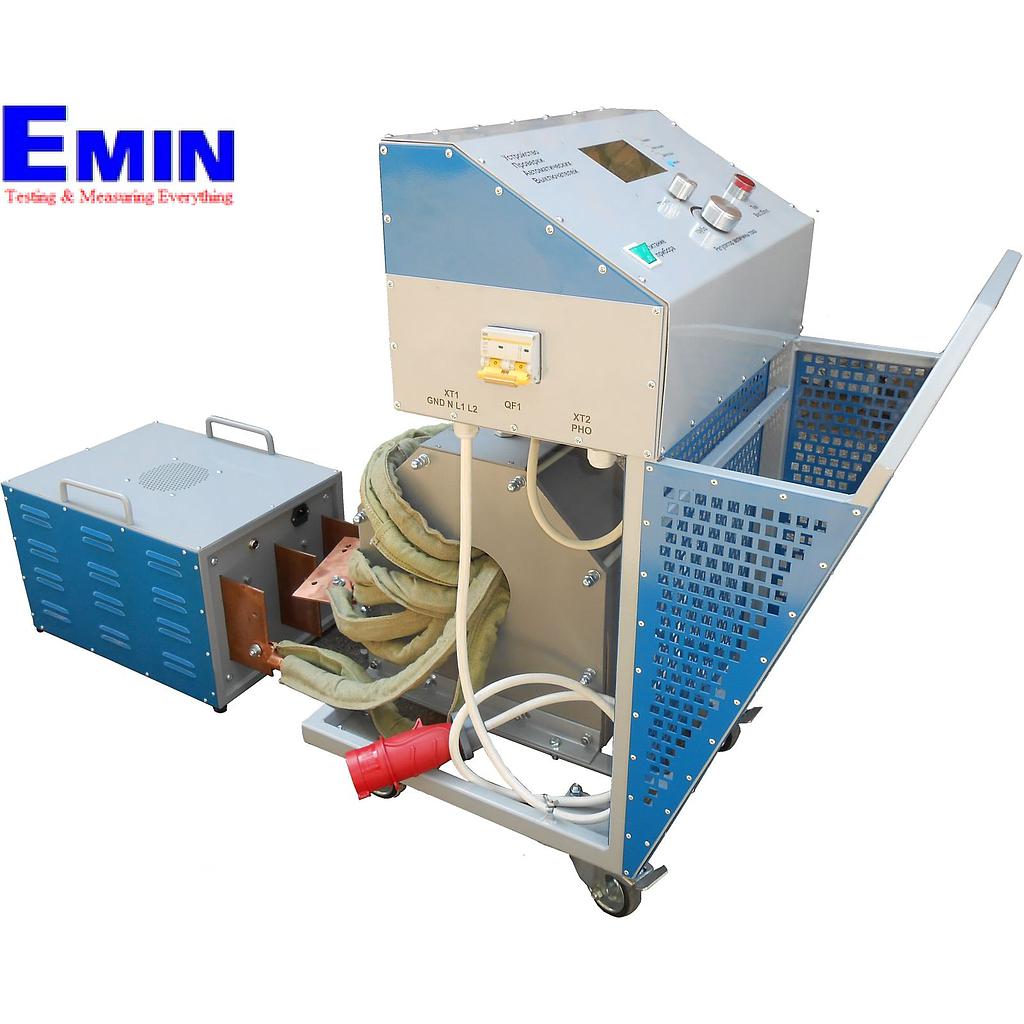
Where current generators are used
Current generation equipment supports a wide range of testing tasks across utilities, panel building, industrial maintenance, and electrical laboratories. A controlled output current allows technicians to simulate operating conditions and verify whether protection devices, measurement chains, and connected components respond correctly.
In power testing environments, these instruments are commonly selected for primary injection on breakers, busbars, and current transformers. In EMC work, specialized probes are used to inject current into cable harnesses and validate immunity setups. If your work also involves insulation and dielectric verification, related test workflows may include withstand voltage test equipment as part of a broader acceptance procedure.
Main product types in this category
Not every current generator serves the same purpose. Some models are designed for primary current injection, where high current at low voltage is applied directly to the primary side of electrical equipment. Others are intended for EMC test benches, where current must be coupled into a conductor in a controlled and standardized way.
For example, the Tekbox TBBCI1-200K280 Bulk Current Injection Probe and Tekbox TBBCI1-800K420 Bulk Current Injection Probe are representative of the EMC side of the category. These probes are used in bulk current injection setups over defined frequency ranges and are relevant when evaluating cable immunity behavior rather than power-system primary injection.
On the power testing side, examples include the EPHIPOT EPSD-500A Primary Current Injection Tester, EPHIPOT EPS1000A Primary Current Injection Tester, and larger bench systems such as the EPHIPOT EPS-PCIT 5000A, 10000A, and 15000A models. These solutions illustrate how the category spans from moderate portable output levels to much higher-current systems intended for demanding commissioning or workshop applications.
Choosing the right current output range
The first selection factor is the required test current. For relay checking or CT-related verification, lower to mid-range output may be sufficient, while breaker testing and busbar-related work often require substantially higher current. Choosing too little capacity can limit the test scope, but oversizing the system may increase cost, weight, and power-supply requirements unnecessarily.
Portable models such as 500A or 1000A class primary injection testers can be suitable when mobility matters and the test plan is focused. Higher-capacity bench units in the 4000A to 15000A range are more relevant where the equipment under test demands stronger current injection or longer-duty workshop operation. It is also important to consider input supply conditions, available installation space, and whether the unit will be used occasionally in the field or more routinely in a service facility.
Key technical considerations beyond amperage
Rated current is only one part of the selection process. Engineers should also review output stability, display and measurement behavior, protection functions, connection format, and the practical duty cycle required during a test sequence. For many applications, a clean and controllable output is just as important as reaching a headline current value.
Primary injection systems are typically evaluated by how smoothly they can adjust current, how clearly they indicate true values during testing, and how well they handle overload or overvoltage protection. In EMC applications, the focus shifts toward parameters such as frequency range, insertion behavior, connector type, and fixture compatibility. This is why a bulk current injection probe should not be compared directly with a power-oriented primary current injection tester, even though both belong to the broader current generation category.
Where high-voltage test setups are also part of the workflow, users often pair current injection work with supporting equipment such as a high-voltage step-up transformer in adjacent electrical test programs.
Representative manufacturers and solution focus
This category includes products from recognized names used in electrical and EMC testing. Tekbox is particularly relevant where cable immunity and BCI-based EMC testing are part of the requirement, while EPHIPOT is represented here with several primary current injection testers covering portable and bench-type use cases.
Other manufacturers associated with this category context include Doble, MOTWANE, ZEAL, DTE, and KEP. In practice, brand choice often depends on the balance between application type, current range, test method, portability, and integration into an existing maintenance or laboratory workflow rather than on brand name alone.
Typical applications in substations, workshops, and labs
In substations and industrial plants, current generators are frequently used during commissioning, routine maintenance, and troubleshooting. Typical tasks include verifying breaker trip characteristics, checking CT circuits, confirming polarity or ratio behavior, and validating protection chain response under injected current conditions.
In repair workshops and manufacturer service centers, higher-capacity bench units are often preferred for repeatable testing of switchgear components or assembled panels. In laboratories and EMC environments, BCI probes support conducted immunity-related procedures and help reproduce known disturbance conditions on cable assemblies. For broader diagnostic programs on power assets, some users also complement current injection work with instruments such as a capacitance and tan delta meter when insulation condition assessment is required.
How to compare models more effectively
A practical way to narrow down options is to start with the test object and test method. Ask whether the task is primary injection testing for power equipment or controlled current coupling for EMC work. Then match the required output range, supply requirements, portability, and measurement visibility to the way your team actually performs tests.
For example, a compact unit such as the EPHIPOT EPSD-500A may suit lower-current field verification, while the EPHIPOT EPS-PCIT 8000A or 10000A is more aligned with heavy-duty workshop tasks. If the application is cable immunity testing, a Tekbox TBBCI1-series probe is the more relevant direction. Looking at the real testing scenario first usually leads to a better decision than comparing models only by maximum current rating.
Finding the right fit for your testing workflow
The current generator category covers more than one testing discipline, so the best choice depends on what you need to inject, how much control is required, and where the equipment will be used. Portable primary injection testers, high-current bench systems, and EMC current injection probes each serve different roles within electrical testing.
By comparing output range, operating context, and test objective together, buyers can shortlist equipment that aligns with real commissioning, maintenance, or lab requirements. If you are building out a broader electrical test setup, it also makes sense to review adjacent categories and compatible brands so the final solution supports your full workflow rather than a single isolated task.
Get exclusive volume discounts, bulk pricing updates, and new product alerts delivered directly to your inbox.
By subscribing, you agree to our Terms of Service and Privacy Policy.
Direct access to our certified experts