
11/02/2026 15:02:19
DC power supplies support solar-storage designs by managing DC conversion and enabling direct photovoltaic, storage, and load coupling where the architecture permits.
DC power supplies support solar-storage designs by managing DC conversion and enabling direct photovoltaic, storage, and load coupling where the architecture permits.
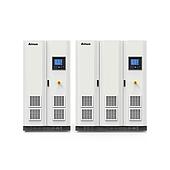
ANBGS is a regenerative grid simulator AC power supply designed for photovoltaic inverter testing. Supplied product data describes voltage, frequency, harmonic, imbalance, protection, energy-feedback, and automated testing capabilities.
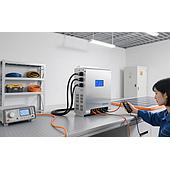
PV inverter testing generally requires a programmable DC source with solar simulation capability. Select voltage, current, and power ratings from inverter limits, then evaluate I-V curve control, transient response, measurement, logging, and regenerative sinking where required.
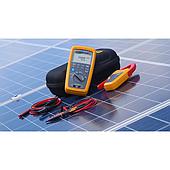
To maximize effectiveness, insulation testing and grounding should be integrated into a closed-loop maintenance procedure. This synchronized combination not only helps detect potential risks early but also creates a robust protective barrier for investors' assets, optimizing the ROI for the entire solar energy project
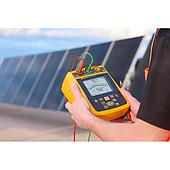
By assessing the impact of dust and shading alongside routinely archiving I-V curve data and thermal images, technical teams can easily identify early performance degradation trends in individual PV strings. As a result, businesses can schedule cleaning, trim obstructions, or focus on repairing precise fault locations rather than incurring costs from widespread inspections or premature panel replacements—thereby optimizing power output and extending the lifespan of the entire solar project.
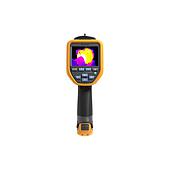
In industrial plant operations and energy infrastructure, issues such as overload, short circuits, or performance degradation frequently stem from increased contact resistance, material wear, or electromechanical anomalies. The application of thermal imaging cameras allows for non-contact infrared radiation measurement, converting thermal energy into an intuitive color map to detect anomalies early while the system is operating under load.
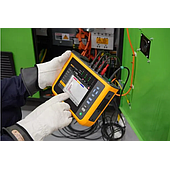
Power quality analysis is the process of measuring, monitoring, collecting, and evaluating electrical power parameters (such as voltage, frequency, and waveform) to determine whether they are stable and within acceptable limits
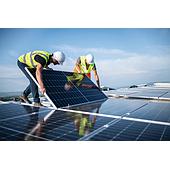
A solar PV system may use certified solar panels, inverters, and protective devices, but this does not automatically mean that the entire system is safe. The installation quality of the complete system must be independently checked against the applicable safety requirements.
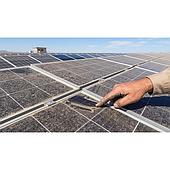
Sau 5 năm vận hành, hệ thống điện mặt trời áp mái có thể vẫn hoạt động ổn định nhưng sản lượng không còn giống thời điểm mới lắp đặt. Mức suy giảm phụ thuộc vào tuổi thọ tấm pin, nhiệt độ, bức xạ, độ ẩm, bụi bẩn, dây dẫn, đầu nối và bộ biến tần.
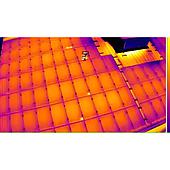
Inspecting rooftop solar panels with a thermal imaging camera requires combining thermal images with visual inspection and electrical data before deciding on any corrective action. Hot spots may be associated with photovoltaic cells, bypass diodes, junction boxes, connectors, or wiring. However, shading, dirt, reflections, and irradiance conditions can also produce similar thermal patterns.
Get exclusive volume discounts, bulk pricing updates, and new product alerts delivered directly to your inbox.
By subscribing, you agree to our Terms of Service and Privacy Policy.
Direct access to our certified experts