Thermal imaging for electric motor inspection uses surface-temperature patterns to screen for conditions that may affect a motor and the production line it supports. It is especially relevant to automation motors that may operate continuously and where overheating or wear can compromise line performance.
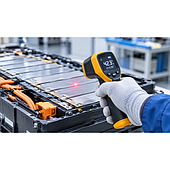
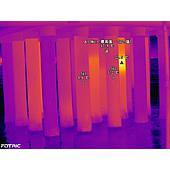
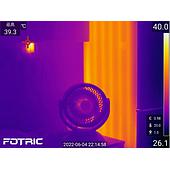
A handheld thermal camera provides a non-contact view of motor surface temperatures. Abnormal temperature distribution can help maintenance personnel identify motors that need further attention, then use specialist test tools for deeper diagnosis.
Summary: Thermal inspection looks for abnormal motor temperatures without contact. Lubrication problems, misalignment, overload, wear, overheating, and circuit shortcuts may appear as temperature abnormalities. Historical thermal images can support trend analysis. A thermal finding should be followed by deeper diagnostic testing where needed.
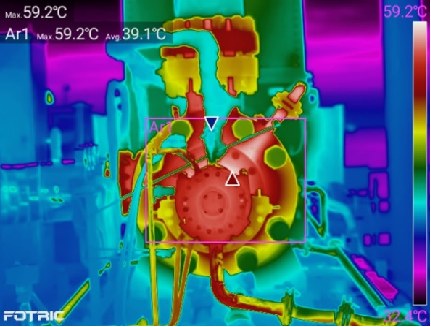
Why is temperature important when inspecting electric motors?
Temperature is important because many motor-system issues can manifest as an abnormal thermal pattern. The source identifies lubrication issues, misalignments, overload, aging, mechanical damage, attrition, overheating, and circuit shortcuts as conditions that may be associated with temperature abnormality.
For motors in automated production lines, this provides a practical screening signal: a temperature pattern that differs from expected conditions can indicate that the motor requires closer investigation. It does not, by itself, establish the exact root cause.
The source also cites maintenance data indicating that an electric motor’s lifetime may be reduced by half when its surface temperature rises by 10 °C. This figure should be read as maintenance context from the source, not as a universal rule for every motor or operating environment.
Which electric motor problems may thermal imaging help reveal?
Thermal imaging may help reveal a broad range of potential motor conditions by showing surface-temperature abnormalities. It can be used as an initial inspection method for both mechanical and electrical issues.
| Potential condition named in the source | How thermal inspection contributes |
|---|---|
| Lubrication issues, attrition, or mechanical damage | Helps identify unusual surface-temperature distribution for follow-up. |
| Misalignment, overload, or aging | Helps screen motors for temperature abnormalities that may require investigation. |
| Overheating or circuit shortcuts | Helps locate abnormal thermal conditions before deeper diagnosis. |
Because different faults can produce related temperature symptoms, the thermal image is best used to prioritize inspection rather than to replace professional diagnostic instruments. The source states that engineers normally use more specialized test tools after faults are detected.
Can thermal inspection be performed without stopping production?
Non-contact thermal camera allows engineers to inspect motors without stopping production during maintenance. This is valuable where a production line runs continuously and interruptions can affect output.
A non-contact inspection also enables a rapid view of the motor’s thermal condition in a single capture. The method can therefore be used during periodic maintenance to identify equipment that warrants additional checks.
Note: The ability to inspect without stopping production refers to the non-contact thermal inspection approach described in the source. Follow site safety procedures and use appropriate diagnostic methods after an abnormality is found.
How does historical thermal data support motor maintenance decisions?
Historical thermal distribution images can support trend analysis by showing how a motor’s thermal condition changes over time. This helps maintenance teams assess whether a motor may require maintenance or replacement.
Trend analysis is more informative than treating a single image as a final diagnosis. Comparing recorded thermal images over periodic inspections can help identify a developing abnormal condition and determine when further action is appropriate.
The source describes this approach as part of more efficient and reliable periodic maintenance for factory automation lines. Its direct role is to support maintenance planning through temperature-based evidence.
What should happen after a motor temperature abnormality is found?
After thermal camera inspect identifies a possible fault, the next step is deeper diagnosis with more professional test tools. This follows the source’s recommended sequence: use thermal inspection to detect abnormal conditions, then verify and diagnose the issue using appropriate specialized equipment.
This two-stage process helps separate fast, non-contact screening from root-cause investigation. It also avoids interpreting an abnormal temperature pattern as conclusive evidence of one specific failure mode.