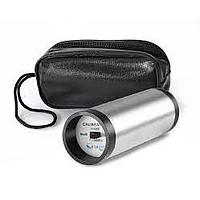
Audio Calibrator Calibration Service
Reliable acoustic measurements depend on more than the meter alone. When a sound level meter, noise dosimeter, or related test setup is used for compliance, audits, maintenance, or environmental monitoring, the reference source used to verify that system must also be checked regularly. Audio Calibrator Calibration Service helps maintain confidence in routine verification by confirming that the calibrator continues to perform within its intended reference values.
For maintenance teams, EHS professionals, testing laboratories, and industrial users, this service supports traceable measurement workflows and helps reduce uncertainty in day-to-day noise assessment. It is particularly relevant wherever sound measurements influence reporting, process validation, workplace safety, or equipment acceptance.
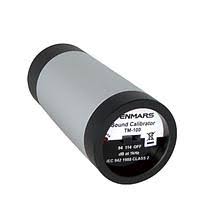
Why audio calibrator calibration matters
An audio calibrator is used to provide a stable acoustic reference so that sound measurement instruments can be checked before and after use. Over time, normal handling, environmental conditions, aging components, and repeated field use can affect performance. Regular calibration helps verify that the output remains suitable for dependable measurement practice.
In many applications, the calibrator is a small device in the measurement chain, but it has a large influence on result credibility. If the reference itself drifts, even a well-maintained sound level meter may lead to questionable conclusions. That is why scheduled service is a practical part of any broader calibration program.
Common use cases across industry and technical environments
This type of service is relevant wherever acoustic measurement is part of operational control or documentation. Typical examples include workplace noise surveys, machinery noise checks, environmental sound monitoring, building services testing, and educational or laboratory measurement work.
Organizations that already manage multiple instrument types often combine acoustic calibration planning with other service categories such as electrical calibrator calibration service or process signal calibrator calibration service. This makes it easier to align maintenance intervals across instrumentation used in testing, production, and facility support.
What this service typically supports
The goal of calibration is not simply to “check if it turns on,” but to evaluate whether the instrument continues to provide a usable acoustic reference for verification tasks. In practice, users look for measurement consistency, stable performance over time, and documentation that supports internal quality procedures.
This is especially important in environments where readings are compared over different shifts, sites, or maintenance cycles. A controlled calibration schedule helps reduce avoidable variation and supports more reliable trending, troubleshooting, and reporting.
- Routine support for sound level meter verification workflows
- Better control of reference accuracy in periodic noise checks
- Improved confidence in maintenance, inspection, and audit records
- Alignment with broader equipment quality management practices
Supported brands and service examples
This category includes calibration service options for widely used brands in acoustic instrumentation. Depending on the equipment in your workflow, you may see service listings related to TESTO, EXTECH, PCE, ACO, PULSAR, TENMARS, KERN, LUTRON, and BKPRECISION.
Examples in this category include the TESTO Sound Calibrator Calibration Service, EXTECH Sound Calibrator Calibration Service, PCE Sound Calibrator Calibration Service, and ACO Sound Calibrator Calibration Service. These examples help illustrate brand-specific service availability, while the core purpose remains the same: maintaining a dependable reference source for acoustic checks.
How to choose the right calibration service
When selecting a service, the most important starting point is the exact calibrator brand and service listing that matches your equipment. This helps avoid unnecessary delays and ensures the service request aligns with the instrument you use in the field or lab. If your maintenance program covers more than one calibration discipline, it may also be useful to review related services such as dry block and bath calibrator calibration service for temperature-related workflows.
It is also worth considering how often the calibrator is used, whether it is exposed to transport and field conditions, and how critical the resulting measurements are to compliance or quality records. In higher-use environments, a more structured calibration interval may be easier to manage than waiting for visible issues or failed checks.
When recalibration should be considered
Many users treat recalibration as part of scheduled preventive maintenance. That approach is often more effective than reacting only when an instrument appears unstable. If the calibrator has been used heavily, transported frequently, stored in demanding conditions, or involved in critical measurement work, earlier service review may be appropriate.
Another practical trigger is inconsistency during routine instrument verification. If pre-use and post-use checks begin to vary more than expected, the issue may not always come from the meter itself. Reviewing the condition of the acoustic reference device can be an important step in diagnosing the source of error.
Fit within a broader calibration program
Audio calibration is often one part of a larger asset control strategy. Facilities that manage mixed instrumentation may also maintain service schedules for tachometer, pressure, electrical, or process calibration tools. For example, operations teams working with rotating equipment may also coordinate tachometer calibrator calibration service alongside their acoustic and general test equipment planning.
Taking this wider view can simplify documentation, improve service visibility, and reduce the risk of missing due dates across departments. It also helps standardize how reference instruments are managed, which is valuable for both internal quality systems and external audits.
Choosing a practical service path
For organizations that rely on repeatable sound measurement, keeping the calibrator in check is a straightforward but important step. A well-managed calibration service supports dependable verification routines, better recordkeeping, and more consistent measurement decisions over time.
If you are reviewing service options for acoustic equipment, start with the brand-specific listing that matches your device and consider how it fits into your wider maintenance schedule. That approach makes it easier to support reliable noise measurement without overcomplicating the calibration process.
Get exclusive volume discounts, bulk pricing updates, and new product alerts delivered directly to your inbox.
By subscribing, you agree to our Terms of Service and Privacy Policy.
Direct access to our certified experts