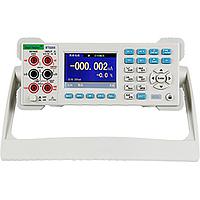
Multimeters Calibration Service
Accurate electrical measurements depend not only on the quality of the instrument, but also on how reliably it performs over time. In maintenance, manufacturing, laboratories, and field service, a multimeter that drifts out of tolerance can lead to incorrect diagnostics, inefficient troubleshooting, and avoidable process risks. A professional Multimeters Calibration Service helps verify that the instrument continues to deliver dependable readings for voltage, current, resistance, and other core electrical parameters.
This category is intended for organizations that need calibration support for handheld or bench multimeters used in routine inspection, test benches, production lines, or quality control workflows. Whether you manage a single instrument or a broader fleet of electrical test equipment, calibration is a practical step for maintaining measurement confidence and supporting internal quality procedures.
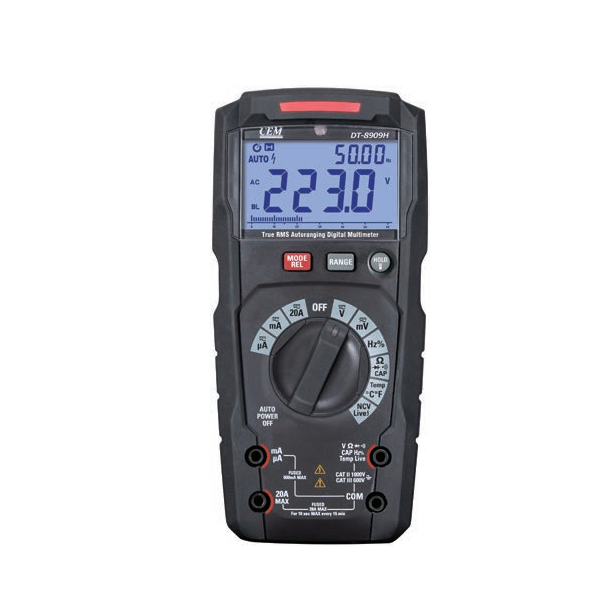
Why multimeter calibration matters in daily operations
Multimeters are among the most frequently used tools in electrical and electronic work. Because they are used so often, they are also exposed to regular handling, environmental variation, transport, and long operating hours. Over time, these factors can affect measurement performance, especially when instruments are relied on for repeatable and traceable results.
A structured calibration service helps confirm whether a meter is still performing within acceptable limits. This is especially relevant in environments where measurement results support maintenance records, production checks, incoming inspection, or validation tasks. For companies working with broader electrical test fleets, related services such as clamp meter calibration may also be useful when current measurement devices are part of the same workflow.
What this service category typically supports
Multimeter calibration generally applies to instruments used for measuring common electrical quantities and verifying overall meter performance against reference standards. The goal is not simply to “check if the meter turns on,” but to assess the reliability of the readings that technicians and engineers depend on in real work.
This category can be relevant for service teams, panel builders, automation integrators, utilities, laboratories, electronics manufacturers, and maintenance departments. In practice, calibration is often scheduled periodically to support asset management and reduce uncertainty in measurements used for troubleshooting or process verification.
Supported brands and common calibration requests
This category includes calibration service examples for a wide range of widely used instrument brands. Common requests may involve equipment from YOKOGAWA, KEITHLEY, Chauvin Arnoux, FLIR, Rohde & Schwarz, TESTO, ADCMT, Amprobe, BKPRECISION, and EXTECH. Brand coverage matters because many organizations standardize their test equipment by manufacturer or maintain mixed fleets across different departments.
Representative service listings in this category include YOKOGAWA Multimeter Calibration Service, EXTECH Multimeter Calibration Service, Chauvin Arnoux Multimeter Calibration Service, FLIR Multimeter Calibration Service, Rohde & Schwarz Multimeter Calibration Service, KEITHLEY Multimeter Calibration Service, TESTO Multimeter Calibration Service, ADCMT Multimeter Calibration Service, Amprobe Multimeter Calibration Service, and BKPRECISION Multimeter Calibration Service. These examples help buyers quickly identify relevant service options while keeping the selection process aligned with the instruments already in use.
How to choose the right calibration service
When selecting a service, it is useful to start with the instrument type, brand, and how the multimeter is used in your process. A handheld meter used for general maintenance may have different calibration priorities from a bench multimeter used in controlled testing or laboratory applications. The frequency of use, required confidence level, and internal quality requirements all influence the right service plan.
It is also important to consider whether your site manages multiple electrical measurement devices that should be calibrated on a coordinated schedule. In that case, it may be practical to review adjacent service categories such as phase indicator calibration or multifunction electrical installations meter calibration to support a more complete maintenance and compliance workflow.
Typical applications across industry
Multimeter calibration is relevant wherever measurement reliability affects decision-making. In industrial maintenance, technicians use multimeters for diagnosing motors, power supplies, control panels, and wiring faults. In electronics production, they support inspection points and verification tasks. In laboratories and training facilities, they are used where consistency and repeatability are especially important.
Calibration can also support organizations that need stronger control over documentation and equipment status. For B2B users, this often means reducing the risk of questionable readings, improving confidence during audits, and ensuring that routine test equipment remains suitable for its intended purpose.
Calibration as part of a wider instrument management strategy
A multimeter should not be viewed in isolation. In many facilities, it is one part of a broader set of electrical and electronic measuring instruments that may include clamp meters, phase indicators, or installation testers. Managing calibration across that ecosystem helps create a more consistent approach to maintenance planning, quality assurance, and equipment readiness.
For organizations building a more structured program, this category can serve as a starting point within the broader family of electrical and electronic meter calibration services. A centralized approach is often easier to manage than handling each instrument type only when a measurement issue appears in the field.
When to consider calibration service
Many businesses arrange calibration at regular intervals, but there are also practical situations where service should be considered sooner. These may include instruments that have been heavily used, exposed to demanding environments, transported frequently, or involved in measurements where unexpected results have raised doubts about accuracy.
It can also be sensible to review calibration after equipment relocation, after long storage periods, or when instruments are critical to customer-facing reports and internal acceptance criteria. Even when a multimeter appears to function normally, calibration provides a more reliable basis for trusting the readings it produces.
Find a suitable service for your multimeter fleet
This category brings together service options for multimeters used across industrial, technical, and laboratory environments. By choosing a calibration service that matches your instrument brand and operational needs, your team can maintain stronger control over measurement reliability and support more consistent electrical testing practices.
If your organization works with multiple types of electrical test instruments, this page can also be used alongside related calibration categories to build a more complete service plan. A clear calibration strategy helps keep measuring equipment dependable, easier to manage, and better aligned with day-to-day technical work.
Get exclusive volume discounts, bulk pricing updates, and new product alerts delivered directly to your inbox.
By subscribing, you agree to our Terms of Service and Privacy Policy.
Direct access to our certified experts