
Power Analyzer Calibration Service
Accurate power analysis depends on more than instrument features alone. In maintenance, commissioning, energy audits, and troubleshooting work, even a capable analyzer can lead to poor decisions if its readings have drifted over time. A professional Power Analyzer Calibration Service helps verify measurement performance so voltage, current, power, harmonics, and related electrical parameters remain dependable in real operating conditions.
This category is intended for users who rely on power quality and power measurement instruments in industrial plants, commercial facilities, utilities, laboratories, and field service operations. Whether the analyzer is used for routine diagnostics or detailed system assessment, calibration supports measurement confidence, traceability, and more consistent reporting across teams and projects.
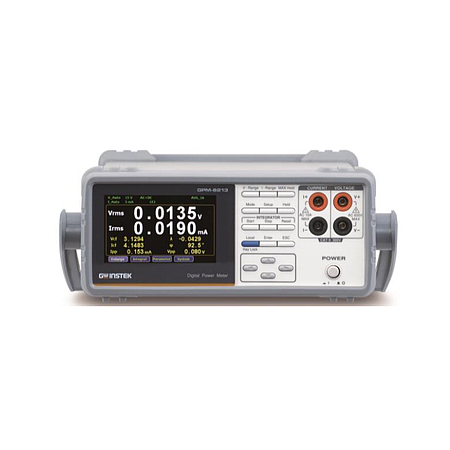
Why calibration matters for power analyzers
Power analyzers are often used to evaluate the health and behavior of electrical systems under load. In practice, they may be called on to measure active and reactive power, voltage imbalance, frequency behavior, event conditions, or power quality trends. Because these measurements can influence maintenance actions and energy decisions, measurement accuracy is not a minor detail.
Regular calibration helps identify drift, confirm instrument response, and maintain confidence in recorded values. This is especially important when equipment is used frequently in the field, transported between sites, or exposed to demanding environments. If your workflow also includes supporting electrical test tools, related services such as clamp meter calibration may also be relevant for a more complete maintenance plan.
What is typically covered in this service
A power analyzer calibration service is generally focused on verifying that the instrument measures key electrical quantities within acceptable performance limits. For this category, the service applies to instruments used for power and power quality analysis rather than basic handheld measurement alone. The goal is to confirm that the analyzer remains suitable for the tasks it is expected to perform in the field or in a controlled technical environment.
Depending on the analyzer type and intended use, calibration may be important for parameters linked to voltage, current, power, and other electrical measurement functions. For organizations that manage several classes of electrical instruments, calibration planning is often coordinated alongside services such as multimeter calibration to keep measurement workflows aligned across maintenance and verification activities.
Supported brands and typical instrument families
This category includes calibration service options for widely used brands in electrical measurement and power quality work. Common examples include FLUKE, HIOKI, YOKOGAWA, Chauvin Arnoux, KEYSIGHT, Rohde & Schwarz, TESTO, Amprobe, BKPRECISION, and EXTECH. Brand-specific service listings help users identify a relevant path based on the instrument already deployed in their operation.
Representative listings in this category include HIOKI Power Quality Analyzer Calibration Service, YOKOGAWA Power Quality Analyzer Calibration Service, FLUKE Power Quality Analyzer Calibration Service, and Chauvin Arnoux Power Quality Analyzer Calibration Service. These examples are useful for orientation, especially when teams standardize on one manufacturer or maintain a mixed fleet of instruments across multiple sites.
When to schedule calibration
The right calibration interval depends on how the instrument is used, how often it is transported, the criticality of the measurements, and internal quality requirements. Instruments used in energy studies, acceptance testing, preventive maintenance, or compliance-related documentation are often reviewed more carefully because the data may support engineering decisions, handover records, or long-term trend analysis.
Calibration should also be considered after heavy use, accidental overload events, physical impact, long storage periods, or whenever readings appear inconsistent with expected system behavior. If your team also works with installation testing instruments, it may be practical to align schedules with multifunction electrical installations meter calibration to reduce downtime and simplify service planning.
How to choose the right service option
Choosing a suitable calibration service starts with identifying the exact analyzer type, brand, and intended application. A portable field analyzer used for troubleshooting power quality issues may have different operational demands than an instrument used mainly for bench testing or energy verification. It is also helpful to consider whether the analyzer is part of a larger toolset that includes meters, installation testers, or phase-related instruments.
For buyers and maintenance coordinators, a practical approach is to match the service to the instrument family already in use and the role it plays in daily work. If your measurements are closely tied to system phase checks and power direction verification, services related to phase indicator calibration may also support a more complete electrical measurement program.
Who typically uses power analyzer calibration services
This service is relevant for a wide range of professional users. Industrial maintenance teams use calibrated analyzers to investigate load behavior, identify power quality issues, and support equipment reliability programs. Electrical contractors and commissioning engineers depend on stable measurement results when assessing installed systems and documenting operating conditions.
Energy managers, facility engineers, utilities, and technical service providers also benefit from regular calibration because their work often involves comparing performance over time. In these environments, traceable measurement practices help reduce uncertainty and make technical reports more consistent, especially when multiple instruments are used by different teams.
Benefits of maintaining a calibrated analyzer fleet
A structured calibration approach improves more than just instrument confidence. It can support better maintenance decisions, reduce repeated site visits caused by questionable data, and help organizations keep electrical measurements consistent across projects. When analyzers are relied on for troubleshooting, trending, or verification, stable performance becomes part of overall operational efficiency.
For companies managing several instruments across departments or locations, calibration also helps standardize expectations around data quality. This is particularly useful when comparing measurements from different jobs, technicians, or sites. In short, calibrated power analyzers contribute to more reliable diagnosis, better documentation, and a stronger foundation for electrical analysis work.
Final considerations
Power analyzers are used where electrical data needs to be trusted, not guessed. A well-chosen calibration service helps maintain that trust by supporting dependable performance over the instrument’s service life. For organizations that rely on field measurements, energy studies, or power quality investigations, keeping analyzers within a managed calibration cycle is a practical step toward more consistent technical outcomes.
Use this category to find a suitable service path for your analyzer brand and measurement needs. If your operation also depends on other electrical test instruments, reviewing related calibration services can help build a more complete and efficient instrument management program.
Get exclusive volume discounts, bulk pricing updates, and new product alerts delivered directly to your inbox.
By subscribing, you agree to our Terms of Service and Privacy Policy.
Direct access to our certified experts
