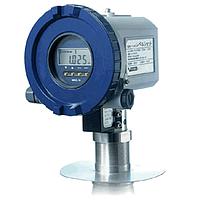
Level gauge, relays, level measuring sensor Calibration Service
Accurate level measurement is critical wherever liquids, slurries, or process media must be monitored safely and consistently. When a level gauge, relay, or level measuring sensor begins to drift, the result can be false alarms, unstable control, unnecessary shutdowns, or unreliable inventory data. This is why Level gauge, relays, level measuring sensor Calibration Service plays an important role in maintenance programs for industrial plants, utilities, water treatment systems, and automated production environments.
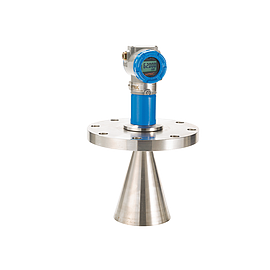
Why calibration matters for level instrumentation
Level-related devices are often part of a wider control and protection loop. A level gauge may provide a direct reading, a relay may trigger switching or alarm logic, and a level sensor may feed signals into a controller, HMI, or monitoring system. If any part of that chain is inaccurate, overall process performance can be affected.
Calibration service helps verify whether the device output corresponds correctly to the actual measured condition. In practical terms, this supports better process visibility, more dependable alarms, and more stable operation in applications where level is tied to dosing, storage, drainage, pumping, or overflow prevention.
Scope of this calibration service category
This category covers calibration support for instruments used to detect, monitor, or transmit level-related information. That can include analog or switching devices, control relays associated with level monitoring, and sensors used in automated systems where measurement accuracy and repeatability are important.
In many facilities, these devices work alongside other calibrated instrumentation. For example, level signals may be reviewed together with data loggers for automation systems to validate long-term trends, or checked in relation to panel meters used in monitoring cabinets where process values are displayed locally.
Typical devices and brands covered
The category includes calibration service for selected equipment from established manufacturers used in industrial and instrumentation environments. Examples listed here include solutions from SICK, HANNA, Tokyo-Keiki, AUTROL, DHS, GLobal Water, and TENSE.
Representative product entries in this category include SICK Level gauge, Relays, level measurement Calibration Service, HANNA Level gauge, Relays, level measurement Calibration Service, AUTROL Level gauge, Relays, level measur Calibration Service, and Tokyo-Keiki gauge, Relays, level measure Calibration Service. These references help illustrate the range of supported brands and device types rather than limiting the discussion to a single measurement method.
Applications where level calibration is especially important
Level measuring sensors are used across tanks, sumps, reservoirs, mixing vessels, and process lines. In water and wastewater systems, they help track fill level, pump start/stop thresholds, and overflow conditions. In industrial production, they can support raw material storage, batching, cleaning systems, and utility management.
Calibration is especially relevant when the level signal is linked to relay-based control actions. A switching point that is set incorrectly can activate pumps too early or too late, while a drifting readout may create confusion during troubleshooting. In these cases, calibration helps confirm both the measurement behavior and the response logic tied to the device.
What to consider when selecting a calibration service
Not all level instruments serve the same purpose, so calibration requirements may vary depending on whether the device is used for indication, alarm control, or continuous signal transmission. A useful evaluation usually begins with the instrument role in the system, the expected operating range, and the acceptable tolerance for the application.
It is also practical to consider how the device interfaces with the rest of the installation. If the sensor signal is used in broader automation architecture, related services such as SIEMENS equipment calibration service or inverter calibration service may also be relevant in the same maintenance cycle, depending on the equipment installed on site.
Examples of supported product lines in this category
Several listed service entries help show the breadth of this category. The SICK and HANNA references are relevant where users need support for recognized instrumentation brands in measurement and monitoring environments. Tokyo-Keiki and AUTROL entries reflect demand from facilities that rely on brand-specific calibration workflows within mixed instrumentation fleets.
DHS, GLobal Water, and TENSE service listings add further context for users managing multiple device sources across one plant or project. Rather than treating every instrument as interchangeable, this category is designed to help buyers and maintenance teams locate calibration support that aligns with the actual brand and device family used in their operation.
How calibration supports reliability in automated systems
In automated environments, level devices rarely operate alone. They may trigger relays, feed PLC inputs, support alarm annunciation, or provide status data for supervisory systems. When calibration is kept up to date, teams can reduce uncertainty in fault diagnosis and improve confidence in process signals.
Reliable calibration records also help maintenance planning. They make it easier to compare current behavior against historical results, identify drift over time, and decide when adjustment, inspection, or replacement may be necessary. This is particularly useful in plants where instrumentation performance affects both uptime and process safety.
Choosing the right service for your installed base
If your site uses a mix of gauges, relays, and sensors from different manufacturers, it is helpful to review the service category in relation to the brand and instrument function. Entries such as Tokyo-Keiki gauge, Relays, level measure Calibration Service, DHS Level gauge, Relays, level measur Calibration Service, and TENSE Level gauge, Relays, level measur Calibration Service can be used as references when identifying the most relevant service path.
For buyers, engineers, and maintenance teams, the main goal is not simply to find a matching product name, but to ensure the selected level calibration service fits the measurement task, control role, and installed equipment ecosystem. A well-matched service approach helps maintain dependable level indication, switching accuracy, and process continuity over time.
Whether you are maintaining a single monitoring point or coordinating calibration across a larger automation system, this category provides a focused starting point for level-related instrumentation. Reviewing the listed brands and service entries can help you narrow down the right option for your application and keep critical measurement points performing as expected.
Get exclusive volume discounts, bulk pricing updates, and new product alerts delivered directly to your inbox.
By subscribing, you agree to our Terms of Service and Privacy Policy.
Direct access to our certified experts