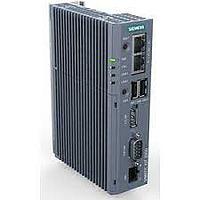
SIEMENS equipment Calibration Service
Accurate calibration is essential when automated equipment is used to control processes, verify signals, or support maintenance decisions. In industrial environments, even small measurement drift can lead to unstable operation, incorrect diagnostics, or unnecessary downtime. This is why a dedicated SIEMENS equipment Calibration Service is relevant for teams that need confidence in the performance of electrical and automation devices across production, utilities, and technical service operations.
For companies working with SIEMENS instruments and automation-related equipment, calibration is not only about checking a reading against a reference. It also helps maintain traceability, improve consistency in testing and commissioning, and support planned maintenance strategies. Whether the device is used in a control panel, a testing bench, or an automation system, proper calibration contributes to more reliable operating data.
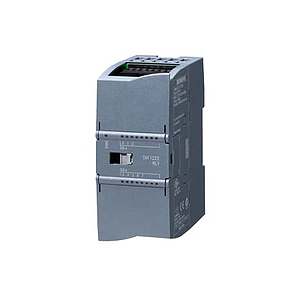
Why calibration matters for SIEMENS automation and electrical equipment
In many facilities, SIEMENS equipment is integrated into broader control architectures where measurement quality directly affects system performance. If a device gradually deviates from its intended accuracy, the impact may appear in the form of unstable control loops, misleading meter values, or inconsistent verification results during maintenance. A structured calibration service helps identify these deviations before they create larger operational issues.
This is particularly important for equipment used in critical monitoring, signal handling, and electrical verification tasks. Calibration can support routine quality control, service documentation, and confidence in instrument response over time. For organizations managing multiple assets from the same manufacturer, it can also simplify maintenance planning and standardize service expectations across sites.
Typical scope of service for this category
This category is intended for calibration support related to SIEMENS electrical and automation equipment. Depending on the device type and its role in the application, the service may involve verification of measurement behavior, comparison against reference standards, and assessment of whether the equipment remains suitable for continued use in its operating context.
Where relevant, users looking for broader manufacturer-focused support can also review SIEMENS product solutions to understand the wider ecosystem around the equipment being maintained. This can be useful when calibration is part of a larger lifecycle plan that includes replacement, expansion, or standardization of installed devices.
A representative example in this category is the SIEMENS Calibration Service, which reflects the need for brand-specific service support rather than a generic approach. In practice, this is valuable when equipment is used in environments that demand repeatable measurement performance, documented maintenance records, and compatibility with existing automation workflows.
Where this service is commonly relevant
Calibration support for SIEMENS equipment is commonly needed in manufacturing plants, process facilities, laboratories connected to industrial operations, utility environments, and maintenance departments responsible for electrical systems. In these settings, equipment may be used for monitoring, testing, panel measurement, or support functions in automated systems.
The service is also relevant during periodic maintenance shutdowns, commissioning reviews, and troubleshooting activities. When technicians need to confirm whether an issue comes from the process, the wiring, or the instrument itself, a reliable calibration status becomes an important reference point. This reduces uncertainty and helps teams make better maintenance decisions.
How to evaluate the right calibration service
Choosing a service should start with the actual role of the equipment in your operation. Some devices are used for control-critical measurements, while others are used primarily for indication, inspection, or verification. The calibration requirement should match that context, including the acceptable tolerance, the frequency of use, and the consequences of measurement drift.
It is also useful to consider the broader equipment mix in your facility. For example, sites that maintain automation assets alongside supporting instruments may also need services for data loggers in automation systems or for field and panel devices in the same maintenance cycle. Reviewing these related needs early can make service planning more efficient.
Another practical factor is documentation. In B2B and industrial environments, calibration is often tied to maintenance records, internal quality procedures, or audit preparation. A well-matched service should therefore support not only technical verification but also the operational need for clear service history and repeatable maintenance practices.
Related equipment categories often calibrated together
SIEMENS devices are frequently part of a wider electrical and automation infrastructure, so calibration is often planned across several equipment groups rather than in isolation. For instance, plants may service brand-specific devices together with panel current, voltage, power, and frequency meters when reviewing panel accuracy and electrical monitoring performance.
In applications involving motor control or power conversion, teams may also need inverter calibration service as part of a broader maintenance program. Looking at calibration in system context rather than as a single-device task often helps reduce repeated service interruptions and gives a clearer picture of overall measurement reliability.
Benefits of a structured calibration approach
A planned calibration program supports more than compliance or routine checking. It helps improve confidence in measured values, supports preventive maintenance, and reduces the chance of decisions being made from inaccurate instrument feedback. In automated environments, this can influence troubleshooting speed, system stability, and the quality of recorded operating data.
For organizations using SIEMENS equipment across multiple lines or facilities, a consistent service approach can also make maintenance easier to coordinate. Standardized calibration intervals, clearer equipment histories, and better visibility of instrument condition all contribute to more predictable asset management. Over time, this helps technical teams focus on performance and reliability instead of reacting to avoidable measurement uncertainty.
Supporting reliable operation over the equipment lifecycle
Calibration becomes more valuable when it is treated as part of the full equipment lifecycle rather than a one-time activity. From installation and commissioning to periodic verification and long-term maintenance, each stage benefits from dependable measurement behavior. This is especially true in industrial environments where automation performance depends on trustworthy signals and stable electrical readings.
If your team manages SIEMENS devices within a larger automation or electrical maintenance program, this category provides a focused starting point for service selection. A suitable calibration path can help maintain accuracy, support documentation needs, and strengthen the overall reliability of the equipment in day-to-day operation.
Get exclusive volume discounts, bulk pricing updates, and new product alerts delivered directly to your inbox.
By subscribing, you agree to our Terms of Service and Privacy Policy.
Direct access to our certified experts