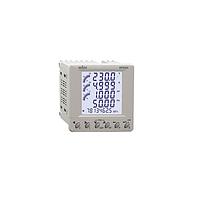
Panel current, voltage, power, frequency meter Calibration Service
Accurate panel meters are essential when operators rely on front-panel values to monitor load, power quality, and process stability. In switchboards, control panels, and power distribution cabinets, even small measurement deviations can affect troubleshooting, reporting, and maintenance decisions. A professional Panel current, voltage, power, frequency meter Calibration Service helps confirm that installed indicators continue to display values within expected tolerance and remain suitable for routine electrical monitoring.
This service is relevant for analog and digital panel-mounted instruments used to measure current, voltage, power, and frequency in industrial and commercial environments. It is especially useful where meter readings are referenced during inspections, preventive maintenance, or comparison against other measuring equipment in the system.
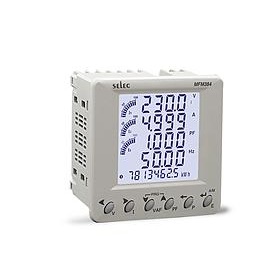
Why calibration matters for panel-mounted electrical meters
Panel meters are often treated as simple display devices, but in practice they support many day-to-day decisions. Maintenance teams use them to verify line conditions, compare phases, observe load changes, and identify abnormal operation. When a meter drifts over time, the displayed value may no longer reflect the actual electrical condition of the circuit.
Calibration service helps check measurement accuracy against a known reference, identify deviations, and determine whether the instrument remains acceptable for its intended use. This is important for meters installed in panels that operate continuously, are exposed to vibration or temperature variation, or are used as part of periodic inspection routines.
Typical instruments covered in this category
This category focuses on panel instruments designed to indicate current, voltage, power, and frequency. These may be installed in motor control panels, generator panels, distribution boards, and automation cabinets. Depending on the application, the meter may serve as a local visual indicator or as part of a broader monitoring practice during operation and maintenance.
Representative services in this category include calibration support for equipment associated with brands such as YOKOGAWA, SCHNEIDER, SELEC, skSATO, TECLOCK, SEW, TENSE, and Watanabe. Example listed services include YOKOGAWA Current, voltage, power, frequency meter on Panel Calibration Service, SCHNEIDER Current, voltage, power, frequency meter on Panel Calibration Service, and SELEC Current, voltage, power, frequency meter on Panel Calibration Service. These examples illustrate the scope of supported panel meter calibration rather than limiting the category to only one meter type.
Common application environments
Calibration needs often arise in facilities where electrical values are checked directly at the cabinet door or panel face. Typical environments include manufacturing lines, building electrical rooms, utility-related panels, machine control systems, and standby power installations. In these settings, panel meters support quick visual confirmation without requiring a portable instrument for every routine check.
For operations that also rely on recorded data, this service can complement related solutions such as calibration for data loggers used in automation systems. If the electrical system includes drives and power conversion equipment, it may also be useful to review an inverter calibration service as part of broader maintenance planning.
What is typically checked during calibration
The calibration process generally focuses on verifying whether the displayed electrical value corresponds appropriately to a controlled input or reference condition. For panel ammeters and voltmeters, this usually means checking indication performance across relevant points in the measuring range. For power and frequency meters, the assessment may include confirming response under suitable electrical reference conditions aligned with the instrument’s intended function.
Beyond basic indication accuracy, technicians may also review meter behavior such as readability, response consistency, and general suitability for continued use. The exact approach depends on the instrument type, panel configuration, and the role of the meter in the user’s maintenance or operational workflow. The goal is not simply to test a display, but to support reliable interpretation of electrical conditions in the field.
How to choose the right calibration scope
Not every panel meter requires the same calibration approach. Selection depends on what parameter is measured, how the instrument is installed, and how the reading is used in practice. A meter that serves as a general visual indicator may require a different evaluation priority from one used as a routine reference point during inspections or shift-based checks.
It is also helpful to consider the meter’s manufacturer, operating history, and installation environment. This category includes service examples linked to brands such as SELEC and TECLOCK, which can help users identify relevant calibration coverage by equipment family. If your site also manages broader electrical assets, related categories such as SIEMENS equipment calibration service may be useful when planning service across multiple instrument groups.
Examples of supported brand-related services
Within this category, users can find calibration service entries associated with several recognized meter manufacturers. Examples include TECLOCK Current, voltage, power, freequency meter on Panel Calibration Service, YOKOGAWA Current, voltage, power, frequency meter on Panel Calibration Service, TENSE Current, voltage, power, frequency meter on Panel Calibration Service, and SEW Current, voltage, power, frequency meter on Panel Calibration Service.
Additional listed examples include skSATO, SELEC, Watanabe, and SCHNEIDER-related calibration services for panel current, voltage, power, and frequency meters. These references help buyers quickly identify relevant service options for installed equipment while keeping the focus on the practical purpose of calibration: dependable electrical indication on the panel.
When to consider recalibration
Recalibration is commonly considered after long operating periods, maintenance shutdowns, replacement work, suspected reading drift, or whenever readings no longer align with trusted reference instruments. It can also be scheduled as part of periodic quality and maintenance procedures, especially in plants where electrical readings support inspection records or operational decisions.
Intervals should be based on the importance of the measurement, the operating environment, and past instrument stability. Meters exposed to heat, dust, vibration, or fluctuating electrical conditions may warrant closer attention than instruments in lighter-duty service. A planned calibration program can reduce uncertainty before inaccurate indications begin to affect maintenance actions.
Support more reliable panel-level electrical monitoring
Choosing the right service for panel-mounted current, voltage, power, and frequency meters helps maintain confidence in the values seen every day on electrical cabinets and control panels. Whether the application involves routine plant maintenance, switchboard monitoring, or verification of installed instruments from brands like YOKOGAWA, SCHNEIDER, or SELEC, calibration adds practical value by improving trust in displayed measurements.
If you are reviewing meter accuracy as part of a wider electrical maintenance program, this category provides a focused starting point for panel instrument calibration. It can also work alongside related calibration services to support a more consistent and traceable approach across your electrical and automation equipment.
Get exclusive volume discounts, bulk pricing updates, and new product alerts delivered directly to your inbox.
By subscribing, you agree to our Terms of Service and Privacy Policy.
Direct access to our certified experts