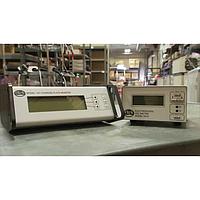
Electrostatic meter Calibration Service
Reliable electrostatic measurement depends on more than the instrument itself. In ESD control, electronics manufacturing, cleanroom handling, and process verification, even a small drift in a meter can affect troubleshooting, compliance checks, and day-to-day decision-making. A professional Electrostatic meter Calibration Service helps confirm that static field measurements remain consistent, traceable, and suitable for actual use conditions.
This category focuses on calibration support for electrostatic meters used to evaluate static charge and related electrostatic conditions. It is relevant for facilities that need confidence in measurement results, whether the meter is used for incoming inspection, process audits, workstation validation, or routine ESD program maintenance.
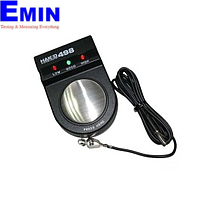
Why calibration matters for electrostatic meters
Electrostatic meters are often used in environments where charge behavior can change quickly and where measurement accuracy supports practical decisions. When a meter starts to drift over time, readings may no longer reflect the actual electrostatic condition of a product, surface, workstation, or process area. That can lead to unnecessary corrective actions, missed ESD risks, or poor comparison between inspection records.
A structured calibration service helps verify that the instrument continues to perform within its intended measurement behavior. For technical teams, this is especially important when static readings are part of internal quality procedures, preventive maintenance, equipment validation, or customer-driven audit requirements.
Typical use cases in ESD and production environments
Electrostatic meters are commonly applied where static charge can influence product quality, operator safety, or process stability. This includes electronics assembly lines, repair benches, packaging areas, semiconductor-related handling, laboratory environments, and any production zone where electrostatic buildup needs to be monitored and managed.
In these settings, calibration supports more than paperwork. It improves confidence when comparing historical readings, checking the effectiveness of ionization measures, and validating that measurement tools still align with the needs of an operational ESD control program. If your workflow also includes related instruments, it can be useful to review services for surface resistance tester calibration as part of a broader verification plan.
What this service category typically covers
This category is centered on calibration for electrostatic meters from widely used manufacturers in the electrostatic and ESD field. Examples in this range include service options for instruments from TREK, HAKKO, Desco, SIMCO, Eutech, KASUGA, Vessel, KLEINWACHTER, and TENMARS. The goal is not simply to check whether a unit powers on, but to evaluate measurement behavior in a controlled calibration process.
Representative service items in this category include TREK Static Meter Calibration Service, Eutech Static Meter Calibration Service, TENMARS Static Meter Calibration Service, SIMCO Static Meter Calibration Service, KLEINWACHTER Static Meter Calibration Service, Desco Static Meter Calibration Service, KASUGA Static Meter Calibration Service, HAKKO Static Meter Calibration Service, and Vessel Static Meter Calibration Service. These examples help illustrate the manufacturer coverage available within the category while keeping the selection focused on actual service offerings.
How to choose the right calibration option
When selecting a service, the first step is to match the calibration request to the exact meter brand and model in use. This helps avoid delays and ensures the service is aligned with the intended instrument type. It is also useful to prepare the meter’s current condition, usage history, and any known reading issues before sending it for calibration.
For B2B users, the decision often depends on maintenance intervals, internal quality systems, and how critical the meter is to production or audit activities. If your facility relies on multiple electrostatic instruments, you may also want to review related categories such as ESD and charge monitoring equipment calibration to keep measurement tools aligned across the same workflow.
Supported brands and practical service context
Many organizations prefer calibration services that align with the brands already deployed on the factory floor or in the lab. In this category, that includes well-known names such as HAKKO, Desco, Eutech, SIMCO, TREK, Vessel, KASUGA, KLEINWACHTER, and TENMARS. Using manufacturer-specific service listings makes it easier to identify the relevant calibration route without filtering through unrelated equipment types.
This brand coverage is especially useful for companies standardizing maintenance procedures across multiple sites. Instead of treating static meters as general-purpose handheld tools, the category presents them in the right technical context: precision instruments that need periodic verification to remain dependable in electrostatic assessment tasks.
Building a more complete electrostatic calibration workflow
Electrostatic measurement rarely stands alone. In many facilities, static meters are used alongside ionizers, monitoring devices, and other ESD control instruments to evaluate the full condition of a workstation or production area. That is why calibration planning often works best when viewed as part of a broader equipment management routine rather than as isolated service events.
If your maintenance scope extends beyond meters, related service categories such as electrostatic eliminator calibration can help support a more complete approach. This is particularly relevant when teams need consistent verification across charge measurement, neutralization, and ESD monitoring functions.
When to arrange calibration
Calibration is commonly scheduled at regular intervals, but timing can also depend on actual usage intensity, environmental conditions, and internal quality requirements. A meter may need attention after extended field use, after questionable readings, or when consistency between instruments becomes difficult to maintain. Facilities that operate under strict inspection or traceability procedures often define calibration cycles as part of preventive maintenance.
Even when a meter appears to function normally, periodic verification remains important because gradual drift is not always obvious in routine use. A planned service schedule helps reduce uncertainty and supports better long-term control over electrostatic measurement quality.
Final considerations
Choosing the right Electrostatic meter Calibration Service is ultimately about protecting the reliability of the measurements your team depends on. Whether the instrument is used for ESD audits, workstation checks, process validation, or routine technical inspection, proper calibration helps maintain confidence in the results.
By selecting a service matched to the correct brand and meter type, companies can support more stable electrostatic control practices and better documentation quality. If your operation uses a wider range of ESD and electrostatic instruments, this category can also serve as a practical starting point for building a more consistent equipment calibration workflow across the entire process.
Get exclusive volume discounts, bulk pricing updates, and new product alerts delivered directly to your inbox.
By subscribing, you agree to our Terms of Service and Privacy Policy.
Direct access to our certified experts