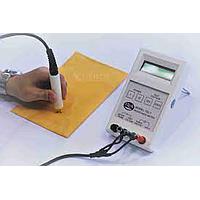
Surface Resistance Tester Calibration Service
Accurate ESD measurements depend as much on the condition of the instrument as on the test method itself. In production areas, electronics assembly lines, clean environments, and ESD-controlled workspaces, regular verification of resistance measurement devices helps maintain confidence in audits, process checks, and daily troubleshooting. A reliable Surface Resistance Tester Calibration Service supports that goal by helping ensure the tester continues to measure within the expected performance range.
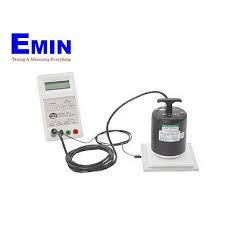
Why calibration matters for surface resistance testing
Surface resistance testers are commonly used to evaluate ESD mats, worksurfaces, flooring, garments, containers, and other materials used in static-sensitive environments. Because these measurements are often part of compliance programs and internal quality procedures, even small instrument drift can affect acceptance decisions, trend analysis, and maintenance planning.
A proper calibration service helps verify that the instrument responds correctly across the relevant measurement range and remains suitable for routine use. This is especially important when the tester is used to support formal ESD control documentation or when measurements are compared over time across multiple sites or production cells.
Where this service fits in an electrostatic control program
Surface resistance measurement is only one part of a broader electrostatic control strategy. Facilities may also rely on ionizers, charge monitoring tools, electrostatic meters, and related verification equipment to keep static-related risks under control. Calibration therefore plays a role not only in equipment maintenance, but also in keeping the overall ESD program consistent and traceable.
If your team also uses field measurement instruments, you may want to review related options such as electrostatic meter calibration services. For resistance-focused workflows, this category complements services for other ESD measurement devices without overlapping their function.
Supported brands and typical instruments
This category is relevant for commonly used testers from manufacturers such as Desco, SIMCO, TREK, Vessel, KLEINWACHTER, and Static Solutions. Different brands may vary in interface, test procedure, or intended application, but the calibration objective remains the same: confirm that the instrument can be trusted for repeatable resistance-related measurements.
Examples in this category include the Desco Resistivity Meter Calibration Service, SIMCO Resistivity Meter Calibration Service, TREK Resistivity Meter Calibration Service, Vessel Resistivity Meter Calibration Service, KLEINWACHTER Resistivity Meter Calibration Service, and Static Solutions Resistivity Meter Calibration Service. These examples help illustrate the scope of supported service needs across widely used ESD measurement platforms.
When to schedule calibration
Many organizations calibrate on a routine interval as part of preventive maintenance or quality management procedures. The right frequency depends on internal policy, instrument usage, audit requirements, and how critical the measurements are to production release or compliance verification.
Calibration may also be appropriate after heavy use, questionable readings, repair, long storage, or transfer between departments. If a tester is used to investigate ESD failures or validate critical materials, keeping it on a planned service cycle can reduce uncertainty during root-cause analysis and customer-facing reporting.
How to choose the right service for your tester
The most practical starting point is the instrument brand and measurement purpose. Some users refer to these devices as surface resistance testers, while others may describe them as resistivity meters depending on application context and internal terminology. What matters is matching the service to the equipment you actually use and the measurement tasks it supports in your ESD control process.
When reviewing service options, it helps to confirm the exact model family, intended use, and any documentation expectations your facility may have. If your equipment portfolio includes multiple ESD verification tools, related categories such as discharge and charge monitoring equipment calibration may also be relevant to maintain a consistent maintenance schedule across the site.
Benefits for quality, traceability, and process control
A calibrated tester supports more dependable decision-making when checking ESD-safe materials and work areas. This is valuable for incoming inspection, workstation qualification, periodic compliance checks, and troubleshooting abnormal static behavior on the line. In B2B environments, measurement reliability is closely tied to documentation quality and process repeatability.
Regular service also helps reduce ambiguity when comparing measurements between teams, shifts, or facilities. Instead of questioning whether an unusual result comes from the material under test or the instrument itself, calibration improves confidence in the measurement chain and supports a more structured response to ESD-related issues.
Related calibration needs in the same environment
Facilities that use surface resistance testers often maintain several other electrostatic instruments at the same time. For example, sites that verify workstations and packaging may also check handheld elimination devices or specialized power units used in electrostatic applications. Planning these services together can simplify maintenance administration and reduce gaps in equipment readiness.
Depending on your setup, related services may include electrostatic eliminator calibration or support for other ESD control instruments. The goal is not to calibrate everything on the same cycle by default, but to align service intervals with real operational risk and usage patterns.
Choosing a practical path forward
For companies that rely on resistance measurements in ESD control, calibration is a practical step toward more consistent inspection results and better process discipline. Whether you use Desco, SIMCO, TREK, Vessel, KLEINWACHTER, or Static Solutions equipment, selecting the appropriate service category helps keep your testers aligned with day-to-day quality requirements.
If you are reviewing instruments across a broader static control program, this category provides a focused starting point for maintaining the tools used to assess surface resistance. A well-planned calibration schedule can support stable measurements, clearer records, and more confident decisions in electronics manufacturing and other static-sensitive operations.
Get exclusive volume discounts, bulk pricing updates, and new product alerts delivered directly to your inbox.
By subscribing, you agree to our Terms of Service and Privacy Policy.
Direct access to our certified experts