Aging Test Chamber Calibration Service
Reliable aging test results depend on more than chamber construction alone. When temperature, time control, airflow behavior, or indication accuracy begin to drift, product life evaluation can become inconsistent, making it harder to compare batches, validate materials, or support quality documentation. That is why a professional Aging Test Chamber Calibration Service is an important part of laboratory and industrial test management.
This service category supports users who operate aging chambers for material durability studies, thermal exposure testing, and long-duration environmental evaluation. Proper calibration helps confirm that the chamber performs in line with its intended operating conditions, improving confidence in repeatability and reducing uncertainty in test records.
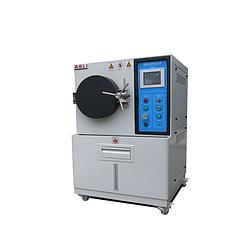
Why calibration matters for aging test chambers
An aging test chamber is typically used to expose samples to controlled conditions over time so users can observe performance changes, degradation trends, or expected service-life behavior. In this type of testing, even small deviations in thermal stability or control response may influence the outcome, especially when comparisons are made across long test cycles or between multiple sample groups.
Calibration helps verify whether displayed values and actual chamber conditions remain aligned within acceptable tolerance. It also supports traceable maintenance practices for laboratories, manufacturers, and quality teams that need dependable test data for internal validation, supplier control, or customer reporting.
What is typically checked during the service
The exact scope may vary according to equipment type and site requirements, but aging chamber calibration commonly focuses on critical operating parameters related to thermal exposure and process consistency. These checks are intended to confirm whether the chamber can deliver the conditions required for meaningful accelerated or long-duration aging tests.
In practice, the service may involve reviewing indicated values against reference instruments, assessing chamber behavior over a defined range, and evaluating factors that affect temperature uniformity and control stability. For users managing broader thermal equipment fleets, related services such as furnace calibration can also be relevant where heat treatment or high-temperature processing is part of the same workflow.
- Verification of indicated versus actual chamber conditions
- Assessment of temperature control consistency over time
- Review of operating stability under typical test settings
- Support for maintenance records and calibration traceability
Common applications across quality and materials testing
Aging chambers are used in many sectors where long-term exposure behavior must be understood before release, qualification, or production scaling. Typical use cases include evaluating plastics, polymers, packaging materials, rubber components, coated parts, and other samples that may change under prolonged thermal stress.
These chambers are often part of a wider testing environment that includes barrier, wear, and appearance evaluation. For example, companies concerned with packaging performance may also work with water vapor transmission rate test systems or oxygen permeation systems to build a more complete view of product durability and barrier performance.
Supported brands and representative calibration services
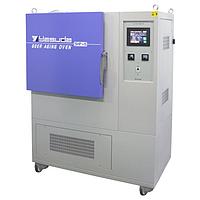
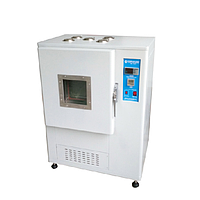
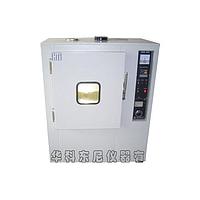
This category includes calibration support for selected aging test chamber equipment from established manufacturers used in testing laboratories and industrial quality settings. Examples shown in this category include services related to Cometech, Yasuda, and TONYHK equipment, helping users find brand-relevant options more efficiently.
Representative listings may include the Cometech Aging Test Machine Calibration Service, Yasuda Aging Test Machine Calibration Service, and calibration service for TONYHK aging test chambers. These examples are useful as references when matching the service to the equipment already installed on site, but the key selection factor should remain the chamber type, calibration scope, and required documentation rather than the brand name alone.
How to choose the right service for your equipment
When selecting an aging chamber calibration service, it is helpful to start with the actual testing purpose. A chamber used for routine internal screening may need a different calibration approach from one supporting formal quality records, comparative R&D studies, or customer-facing reports. The more critical the data, the more important it becomes to define calibration points, acceptance criteria, and service intervals clearly.
Users should also consider the chamber’s operating range, frequency of use, and any historical signs of drift or instability. If your lab works with multiple physical testing instruments, it can be practical to review calibration planning across related equipment as well, including services such as abrasion tester calibration where durability evaluation extends beyond thermal aging alone.
Benefits of regular calibration in long-term test programs
Regular calibration supports more consistent decision-making over time. This is especially important in aging studies, where trends may develop gradually and the value of the test depends on confidence in repeatability from one cycle to the next. Stable measurement conditions help teams compare historical records more effectively and reduce the risk of misinterpreting material changes caused by equipment deviation rather than sample behavior.
From an operational perspective, scheduled calibration can also make maintenance planning easier and provide a clearer basis for audits, internal quality reviews, and equipment lifecycle management. In environments where testing data influences approval, supplier qualification, or failure analysis, maintaining a documented calibration history is often just as important as the test itself.
Practical considerations before scheduling calibration
Before arranging service, users should identify the chamber model, normal operating conditions, and the type of products or materials typically tested. It is also useful to review recent performance concerns, alarms, unusual overshoot behavior, or differences between setpoint and observed results. This preparation helps ensure the service is aligned with the chamber’s real operating context.
If the chamber is part of a controlled quality process, keeping prior calibration records and maintenance history accessible can improve continuity. A well-prepared calibration activity not only confirms current performance but also makes it easier to spot long-term drift patterns and decide when preventive maintenance or further inspection may be needed.
Conclusion
Accurate chamber performance is essential when aging tests are used to judge durability, compare materials, or support quality documentation. A well-matched aging test chamber calibration service helps maintain confidence in thermal exposure conditions, strengthens traceability, and supports more dependable test interpretation over time.
Whether you are managing a single chamber or a broader testing laboratory, choosing calibration based on application needs, equipment condition, and documentation requirements will lead to more useful and defensible results. Reviewing the available service options in this category is a practical starting point for keeping aging test equipment aligned with day-to-day testing demands.
Get exclusive volume discounts, bulk pricing updates, and new product alerts delivered directly to your inbox.
By subscribing, you agree to our Terms of Service and Privacy Policy.
Direct access to our certified experts