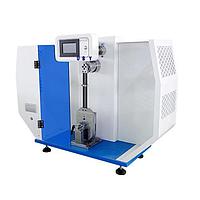
Impact Testing Machine Calibration Service
Reliable impact test data depends on more than the condition of the specimen or the operator’s method. In many laboratories and quality environments, the accuracy of the machine itself has a direct effect on energy readings, repeatability, compliance work, and confidence in material performance results. That is why Impact Testing Machine Calibration Service is an important part of maintaining a dependable mechanical testing workflow.
This category focuses on calibration services for impact testing equipment used in material evaluation, quality control, and research applications. Whether the equipment is used for routine verification or formal test programs, calibration helps confirm that the machine is operating within an acceptable measurement condition and that the reported values remain meaningful over time.
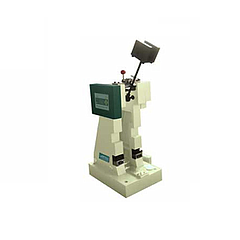
Why calibration matters for impact testing equipment
Impact testing machines are used to assess how materials respond to sudden loading, fracture conditions, or absorbed energy during a controlled strike. Because these systems rely on mechanical motion, geometry, and energy transfer, even small deviations can affect the consistency of test outcomes. A structured calibration service helps identify such deviations before they lead to unreliable data.
Regular calibration is especially relevant in environments where test reports support supplier qualification, incoming inspection, product development, or audit requirements. In these cases, the objective is not only to keep the machine operational, but also to maintain traceable and credible measurement performance across repeated test cycles.
What is typically checked during calibration
The exact calibration scope depends on the machine design and the laboratory’s procedures, but the process generally focuses on the critical elements that influence impact measurement. This can include verification of the machine’s mechanical condition, energy indication, alignment-related factors, and overall response of the test mechanism under defined calibration methods.
For pendulum-based systems, the calibration approach may also consider the characteristics that influence swing behavior and energy loss. Services such as the KMT Pendulum Impact tester Calibration Service are relevant in setups where pendulum impact equipment is a key part of the test process. The goal is not simply to “check the machine,” but to confirm that the instrument remains suitable for producing dependable test results.
Supported brands and service examples
This category includes calibration service options associated with commonly used testing equipment brands in industrial and laboratory settings. Examples include services related to Cometech, TQCSheen, KMT, Yasuda, JFM, MStech, and TONYHK equipment. Mentioning brand-specific services can be useful when a site needs to match an installed machine base or support brand-oriented procurement workflows.
Representative entries in this category include Cometech Impact Testing Machine Calibration Service, TQCSheen Impact Testing Machine Calibration Service, Yasuda Impact Testing Machine Calibration Service, MStech Impact Testing Machine Calibration Service, JFM Impact Testing Machine Calibration Service, and TONYHK Impact Testing Machine Calibration Service. These examples help illustrate the range of supported equipment without turning the page into a simple product list.
When to schedule an impact testing machine calibration service
Calibration is commonly scheduled at planned intervals, but timing can also depend on actual equipment use and risk level. Laboratories often arrange service after relocation, following maintenance, when test results appear inconsistent, or before an internal or external audit. For machines used in regulated or customer-facing quality systems, a documented calibration interval is often part of standard equipment control practice.
If your facility operates several types of physical testing equipment, calibration planning may be grouped by testing function or by audit cycle. In that context, it may also be useful to review related services such as abrasion tester calibration or furnace calibration service when those instruments support the same lab workflow.
How to choose the right service for your equipment
A practical way to select the right service is to start with the machine type, brand, and current use case. Some users need calibration for routine quality assurance, while others need it to support formal validation, periodic traceability review, or maintenance recovery. Matching the service to the actual equipment configuration helps avoid unnecessary delays and reduces the risk of incomplete service coverage.
It is also useful to confirm whether the system is a pendulum-style impact tester or another impact testing configuration, as this affects the calibration approach. If the equipment is associated with brands such as TQCSheen, KMT, Yasuda, or JFM, selecting the corresponding service listing can make the request process clearer and easier for both the user and the service provider.
Benefits for laboratories, manufacturers, and QA teams
The main value of calibration is improved trust in the measurement system. For laboratories, that means more consistent reporting and better support for internal quality procedures. For manufacturers, it helps reduce uncertainty when impact data is used to compare materials, monitor production quality, or investigate failures.
Well-managed calibration records can also support equipment history tracking and service planning. Over time, this contributes to better decisions about maintenance, replacement, and test method control. In B2B environments where multiple departments depend on the same instrument, a clear calibration status helps keep testing activities aligned and reduces avoidable interruptions.
Related calibration needs in test and barrier measurement environments
Some organizations that use impact testing equipment also operate other specialized instruments in packaging, material barrier, or physical durability evaluation. In those cases, calibration is often handled as part of a broader asset management program rather than as a standalone event for one machine. This is particularly relevant in multi-discipline labs where different test methods must remain consistently controlled.
Depending on your application, you may also need complementary services for systems used in permeability or environmental testing. For example, teams working across packaging or material performance programs may review oxygen permeation system calibration service alongside mechanical test equipment calibration when building a complete service schedule.
Choosing a service category that supports long-term measurement reliability
Impact testing equipment plays an important role wherever material toughness, fracture behavior, or resistance to sudden loading must be evaluated with confidence. A suitable calibration service helps maintain measurement reliability, supports consistent testing practice, and gives QA and laboratory teams a clearer basis for equipment control.
If you are selecting service support for installed test systems, this category provides a focused starting point for brand-specific and application-relevant options. Reviewing the correct service entry for your machine can help streamline planning and keep your impact testing process aligned with ongoing quality requirements.
Get exclusive volume discounts, bulk pricing updates, and new product alerts delivered directly to your inbox.
By subscribing, you agree to our Terms of Service and Privacy Policy.
Direct access to our certified experts