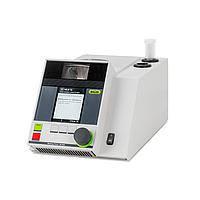
Melted Index Machine Calibration Service
Reliable polymer flow data depends not only on the tester itself, but also on how accurately the instrument is calibrated over time. In plastics processing, material comparison, and quality control, even small deviations in a melt flow index result can affect production decisions, incoming inspection, and product consistency. That is why a well-defined Melted Index Machine Calibration Service is an important part of routine laboratory and factory maintenance.
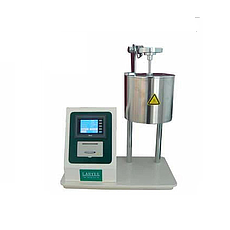
Why calibration matters for melt flow index testing
Melt flow index testing is widely used to assess how thermoplastic materials behave under specified temperature and load conditions. Because the method is often used for material acceptance, batch comparison, and process verification, the instrument must deliver repeatable and dependable readings. Calibration helps confirm that the tester is operating within expected performance and that the measured values remain trustworthy for day-to-day use.
In practice, calibration supports measurement consistency across different operators, production shifts, and testing periods. It also helps identify gradual drift caused by wear, thermal stress, or long-term use. For companies working under internal quality systems or customer audit requirements, regular calibration is a practical way to reduce uncertainty in material testing.
What this service typically supports
A calibration service for this type of equipment is intended for melt flow index machines used in plastics and polymer laboratories, manufacturing plants, and inspection environments. The goal is not simply to check whether the unit powers on, but to verify the critical functions that influence test reliability. This may include reviewing operating conditions, checking key measurement points, and confirming that the tester performs in line with its intended testing role.
Because melt flow index testing is closely tied to temperature control, loading conditions, and timing, calibration plays a direct role in maintaining confidence in the final result. When test data is used for product release or comparison between materials, a properly calibrated system helps reduce avoidable variation and improves confidence in reported values.
Examples of supported manufacturers
This category includes calibration service options for selected brands commonly used in polymer testing. Depending on your installed equipment, you may find service coverage for Cometech, Yasuda, and Buchi instruments. These manufacturer references help buyers quickly identify relevant service availability without turning the page into a long product list.
Representative offerings in this category include the Cometech Melt Flow Index Tester Calibration Service, Yasuda Melt Flow Index Tester Calibration Service, and Buchi Melt Flow Index Tester Calibration Service. If you are managing multiple brands across one lab or production site, brand-specific service listings can make maintenance planning more straightforward.
When to consider recalibration
Calibration is commonly scheduled at regular intervals, but there are also practical situations where an earlier check is advisable. If a tester has been relocated, repaired, exposed to unusual operating conditions, or is showing inconsistent results compared with historical data, recalibration can help verify whether the instrument is still performing correctly. This is especially relevant when test reports are used to support supplier qualification or internal release decisions.
Another common trigger is a noticeable mismatch between expected material behavior and measured output. While test variation can come from sample preparation or operator handling, the instrument itself should not be overlooked. A structured calibration review helps separate equipment-related issues from process or material variables.
How calibration fits into a broader testing environment
Melt flow testing is rarely the only verification step in a material or packaging lab. Many facilities also maintain related systems for barrier, thermal, and surface durability testing. For example, laboratories that handle packaging or material characterization may also require oxygen permeation system calibration or furnace calibration service as part of a broader equipment management plan.
Looking at calibration in this wider context can help procurement teams and laboratory managers coordinate service intervals more efficiently. Instead of treating each instrument as a separate task, many organizations group critical testing devices into a more structured maintenance schedule to improve uptime and documentation control.
What to look for when choosing a calibration service
For technical buyers, the right service is usually the one that matches the actual role of the instrument in the testing workflow. A good starting point is to confirm compatibility with the equipment brand and application. It is also helpful to consider how the calibration activity fits your internal quality procedures, documentation expectations, and required service intervals.
You may also want to review whether the service is intended to support routine preventive maintenance planning, periodic verification, or troubleshooting after abnormal results. In a B2B setting, clarity around service scope is often just as important as the service itself, particularly when the tester supports production quality, incoming material approval, or customer-driven compliance processes.
Supporting stable test results over time
A melt flow index machine is often used as a reference point for evaluating polymer behavior, so stable performance over time matters. Calibration helps maintain that stability by providing a structured way to check the condition and accuracy of the equipment. This is especially valuable where trend monitoring, batch comparison, and repeat testing are part of normal operations.
If your team relies on melt flow data for product quality decisions, periodic calibration is a practical step toward keeping results usable and defensible. This category brings together relevant service options for selected brands, making it easier to identify a suitable path for ongoing instrument verification and better control of polymer testing workflows.
Get exclusive volume discounts, bulk pricing updates, and new product alerts delivered directly to your inbox.
By subscribing, you agree to our Terms of Service and Privacy Policy.
Direct access to our certified experts