
Universal Tensile Testing Machine Calibration Service
Reliable material testing depends on more than the machine itself. When tensile and universal testing equipment is used for quality control, incoming inspection, R&D, or compliance work, calibration plays a direct role in keeping force results consistent, traceable, and credible across different operators and test routines. Universal Tensile Testing Machine Calibration Service helps maintain that confidence by verifying that the system performs within the required measurement accuracy.
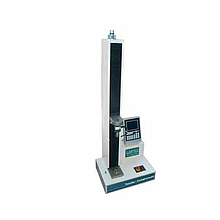
Why calibration matters for tensile and universal testing systems
A universal tensile testing machine is typically used to evaluate how materials respond to tension, compression, and related mechanical loads. In practice, even small deviations in force indication or system response can affect test conclusions, especially when results are used to compare batches, validate suppliers, or support formal inspection records.
Regular calibration helps confirm that the machine’s force measurement chain remains dependable over time. It also supports better repeatability between tests and reduces the risk of accepting inaccurate data as a basis for production or engineering decisions. For laboratories and factories that operate multiple physical test instruments, calibration planning is often managed alongside services such as abrasion tester calibration where traceable performance is equally important.
What is typically covered in a calibration service
For this type of equipment, calibration generally focuses on the machine’s force measurement performance and the reliability of the testing setup under controlled verification conditions. The exact scope can vary by model and application, but the objective is the same: confirm that the machine indicates load correctly across the relevant working range.
Depending on the equipment configuration, calibration may apply to standalone force testing machines, tensile testing systems, or motorized test stands used in a controlled vertical arrangement. This category therefore fits organizations that need support for different equipment formats, from production-floor testers to lab-based systems used for routine material verification.
Supported brands and example service coverage
This category includes calibration service options for several well-known testing equipment brands. Examples include IMADA, SAUTER, Yasuda, JFM, MStech, and TONYHK equipment where calibration is required to keep testing results aligned with operational needs and internal quality procedures.
Representative services in this category include IMADA Force testing machine Calibration Service, SAUTER Motorised vertical test stand Calibration Service, Yasuda Tensile Testing Machine Calibration Service, JFM Tensile Testing Machine Calibration Service, and MStech Force testing machine Calibration Service. These examples show that the category is not limited to one machine layout; it supports a broader testing equipment ecosystem built around force and tensile measurement.
How to know when calibration is needed
Many users schedule calibration at fixed intervals, but timing can also be influenced by actual usage conditions. Machines that are used frequently, operated across different load ranges, relocated between work areas, or exposed to demanding industrial environments may require closer attention than lightly used systems.
Calibration should also be considered after maintenance, after suspected overload events, or when test results begin to drift from historical patterns. If a facility manages several mechanical or physical testing instruments, it can be useful to review calibration needs as part of a broader service plan that may also include furnace calibration service or other application-specific categories.
Choosing the right calibration service for your machine
The most suitable service depends on the equipment type, the brand, and how the machine is used in daily testing. A motorized vertical test stand used with a force gauge may require a different service approach than a full tensile testing machine used for material characterization, even though both are part of force-based mechanical testing.
When reviewing available options, it helps to match the service to the actual equipment in operation. Users working with systems from SAUTER, Yasuda, JFM, KMT-related JFM service listings, IMADA, or TONYHK should check the service entry that best corresponds to the machine platform. This reduces confusion and makes calibration planning more practical for purchasing, quality, and maintenance teams.
Where this service fits in a broader quality workflow
Universal tensile testing machine calibration is often one part of a wider verification program covering mechanical, physical, and packaging-related test equipment. Companies that evaluate multiple product properties may need separate calibration paths for barrier, thermal, wear, or appearance testing instruments depending on their process requirements.
For example, sites involved in material characterization may also work with services such as oxygen permeation system calibration when testing programs extend beyond mechanical strength and into packaging or material barrier performance. Looking at calibration in this broader context helps build a more stable and traceable quality system.
Who commonly uses this category
This service category is relevant to quality control laboratories, production plants, inspection departments, research facilities, and organizations that need dependable force or tensile measurements for routine decision-making. It is especially useful where test data supports release inspection, supplier evaluation, product development, or internal process validation.
In these environments, traceability, consistency, and equipment readiness matter as much as the machine itself. A properly managed calibration schedule helps reduce uncertainty in force-based testing and gives teams a clearer foundation for comparing results over time.
Final considerations before arranging calibration
Before selecting a service, it is worth confirming the machine brand, equipment type, and intended test use so the calibration scope matches the actual application. This is particularly important where similar systems are used for different tasks, such as routine force checks, material tensile tests, or vertical stand-based verification.
Overall, this category supports organizations that need a practical and structured way to maintain measurement reliability in tensile and force testing. By choosing the appropriate service for the installed equipment, teams can improve confidence in their results and keep critical testing processes aligned with day-to-day quality requirements.
Get exclusive volume discounts, bulk pricing updates, and new product alerts delivered directly to your inbox.
By subscribing, you agree to our Terms of Service and Privacy Policy.
Direct access to our certified experts
