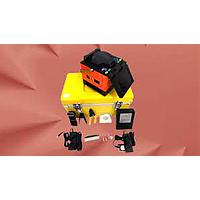
Fiber Optic Welding Machine Calibration Service
Accurate fiber splicing depends on more than operator skill alone. In field deployment, telecom maintenance, data center work, and fiber network build-out, a fusion splicer that drifts out of calibration can affect splice loss, alignment consistency, and overall installation quality. For teams that rely on repeatable optical performance, scheduled Fiber Optic Welding Machine Calibration Service helps keep fusion splicers operating within expected measurement and alignment conditions.
This service category is relevant for organizations using fusion splicers in daily production, service, or installation workflows. Whether the equipment is used intensively on-site or periodically in controlled workshop conditions, calibration supports more reliable splicing results, better traceability, and improved confidence when maintaining optical network standards.
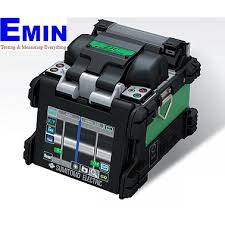
Why calibration matters for fusion splicers
A fusion splicer combines optical fibers through precise alignment and controlled arc discharge. Because this process depends on mechanical positioning, optical inspection, and electrical arc behavior, even small deviations can influence splice quality over time. Regular calibration helps verify that the equipment continues to perform as intended under normal operating conditions.
For maintenance teams and contractors, calibration is also part of a broader equipment quality control process. It can help reduce uncertainty during acceptance testing, commissioning, and service work, especially when the splicer is used together with other optical instruments such as optical power meter calibration services in the same workflow.
Typical situations where this service is needed
Calibration is commonly considered when a fusion splicer is used frequently, transported often between sites, or exposed to dust, vibration, or changing environmental conditions. These factors can gradually affect alignment accuracy and process stability, even if the machine still appears to function normally in day-to-day work.
It is also a practical choice after extended use, before major projects, or as part of periodic preventive maintenance planning. Companies that document instrument status for internal quality systems often include fusion splicer calibration alongside related services such as OTDR photometer calibration to maintain consistency across the full optical test chain.
Scope of the service category
This category focuses on calibration support for fiber optic welding machines, commonly referred to as fusion splicers. The goal is not simply to check whether a unit powers on, but to evaluate and adjust key operating characteristics that influence splicing performance and repeatability.
In practice, service work may support workshops, service providers, telecom contractors, integrators, and industrial users who depend on dependable fiber joining processes. Because fusion splicers are central tools in optical installation work, calibration often complements the servicing of nearby instruments such as optical fault locator calibration services when a complete maintenance program is needed.
Supported brands and service examples
This category includes calibration service options for widely used fusion splicer brands. Examples in this range include Fujikura, SUMITOMO, INNO, AFS, and Fibretool, covering common brand ecosystems used in field splicing and optical network installation.
Representative service listings include Fujikura Fusion Splicer Calibration Service, SUMITOMO Fusion Splicer Calibration Service, INNO Fusion Splicer Calibration Service, AFS Fusion Splicer Calibration Service, and Fibretool Fusion Splicer Calibration Service. These examples help buyers quickly locate service coverage aligned with the equipment already in use, without needing to search across unrelated optical service categories.
How to choose the right calibration service
When selecting a service, the first step is to confirm the splicer brand and the exact equipment family in your operation. This is especially important in organizations managing multiple units across different teams, where service planning needs to match the installed equipment base and internal asset records.
It is also useful to consider service timing, usage intensity, and whether the fusion splicer is part of a larger optical measurement workflow. If your technicians perform end-to-end fiber validation after splicing, related services such as optical analyzer calibration may also be relevant for broader instrument reliability.
Who benefits from routine calibration
Routine calibration is especially valuable for telecom installers, fiber network maintenance providers, contractors, system integrators, and technical service teams that need stable, repeatable field results. In these environments, a well-maintained fusion splicer helps support smoother installation work and more consistent documentation across projects.
It can also benefit organizations with internal maintenance standards or quality procedures that require regular instrument review. By keeping calibration intervals under control, teams can manage downtime more effectively and reduce the risk of unexpected performance issues during critical deployment windows.
Planning service within a broader optical maintenance program
Fusion splicers are only one part of the optical toolchain. In many applications, they work alongside OTDRs, power meters, visual fault locators, and other test instruments that each influence inspection and acceptance results in different ways. A structured calibration plan therefore helps create a more reliable overall service environment.
For B2B buyers, the main advantage of using a dedicated category page like this is clarity. It becomes easier to identify brand-specific service options, compare relevance across optical equipment types, and align maintenance purchasing with actual operational needs rather than treating calibration as an afterthought.
Conclusion
When splice quality, field consistency, and equipment readiness matter, calibration is a practical part of responsible fiber optic maintenance. This category brings together service options for commonly used fusion splicer brands, making it easier to find suitable support for your installed equipment.
If your team works with optical installation and testing tools on a regular basis, reviewing calibration needs at the system level can improve long-term efficiency. A well-planned service schedule for fusion splicers and related optical instruments helps support dependable operation across the full fiber workflow.
Get exclusive volume discounts, bulk pricing updates, and new product alerts delivered directly to your inbox.
By subscribing, you agree to our Terms of Service and Privacy Policy.
Direct access to our certified experts