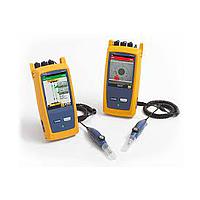
Optical attenuation meter calibration service
Accurate loss measurement is essential when qualifying fiber links, validating optical components, or troubleshooting transmission issues. Even small deviations in attenuation readings can affect acceptance testing, maintenance decisions, and overall confidence in measurement results. A professional optical attenuation meter calibration service helps keep these instruments aligned with traceable reference values so test data remains consistent and dependable in real working environments.
This service category is relevant for laboratories, telecom maintenance teams, fiber installation contractors, and manufacturing environments that rely on repeatable optical measurements. When attenuation meters are calibrated at appropriate intervals, users can reduce uncertainty, support quality procedures, and improve comparability between instruments used across different sites or projects.
Why calibration matters for optical attenuation measurement
An attenuation meter is used to evaluate optical loss in fiber networks and related optical paths. Because these measurements often support installation verification, maintenance records, and product quality checks, the instrument must deliver results that are stable and technically credible over time.
Calibration helps identify drift, confirm measurement performance, and establish whether the device remains suitable for its intended range of use. In practice, this becomes especially important when measurements are used to compare link performance, verify passive components, or support broader fiber test workflows alongside services such as optical power meter calibration.
What this service typically supports
This category covers calibration support for optical attenuation meters used in fiber optic testing and maintenance. The main objective is to verify that the instrument indicates attenuation values correctly against appropriate standards and procedures, helping users maintain confidence in day-to-day measurements.
Organizations usually seek this service when instruments are part of scheduled quality control, preventive maintenance, incoming inspection programs, or field testing fleets. It is also relevant after extended use, transport, storage, repair, or whenever unexpected measurement variation appears during normal operation.
Typical applications across fiber optic environments
Attenuation measurement is closely tied to network commissioning, cable plant verification, component testing, and fault analysis. In these settings, inaccurate readings can lead to misinterpretation of link health, unnecessary rework, or inconsistent reports between teams and contractors.
For that reason, attenuation meter calibration is often considered part of a broader optical test strategy. Teams that manage multiple instrument types may also review related services such as OTDR photometer calibration when end-to-end fiber characterization is required.
Examples of supported brands and service references
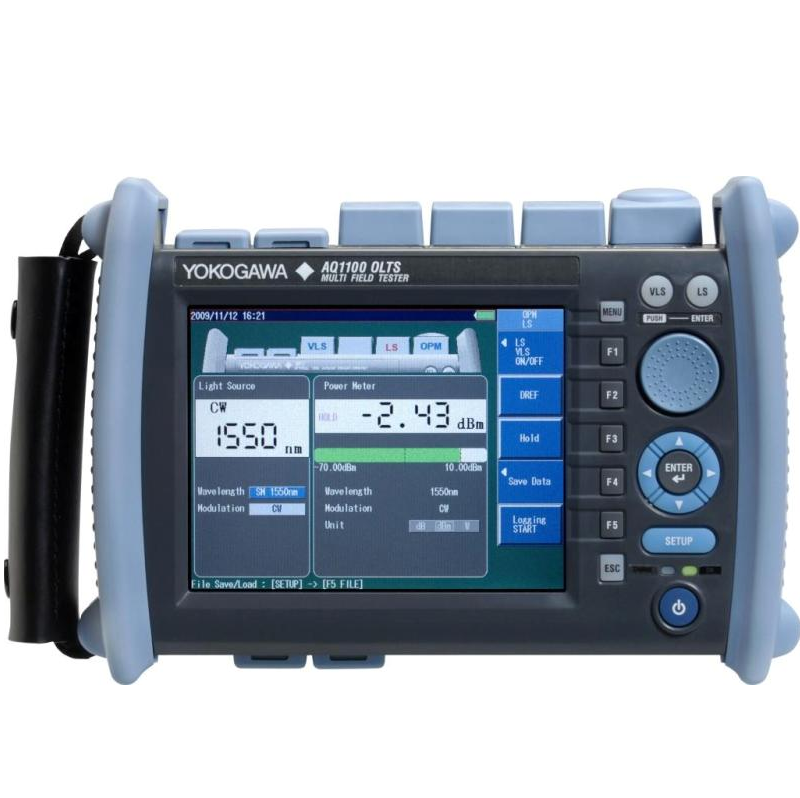
This category may include service options connected with widely used manufacturers in optical testing, including Fluke Network and YOKOGAWA. Mentioning the manufacturer matters because calibration workflows, connection interfaces, and instrument handling considerations can vary between product families even when the measurement purpose is similar.
Representative service references in this category include the Fluke Network Optical Attenuation Meter Calibration Service and the YOKOGAWA Optical Attenuation Meter Calibration Service. These examples help illustrate the types of instruments covered, without suggesting that every model follows the same procedure or performance criteria.
How to decide when calibration is needed
The right calibration interval depends on how the meter is used, how critical the measurement is, and whether the instrument operates in controlled or field conditions. Heavy usage, frequent transport, demanding environments, and compliance-driven processes often justify closer calibration management.
Common triggers include overdue periodic maintenance, inconsistent comparison results between instruments, unexpected attenuation readings, or the need to document measurement traceability for audits or customer acceptance. If the meter is part of a wider optical maintenance toolkit, users may also review nearby service categories such as optical analyzer or fault locator calibration based on the equipment set they manage.
What to look for when selecting a calibration service
For technical buyers, the most important factors are usually scope suitability, traceability, reporting clarity, and compatibility with the actual instrument being used. A useful service should support reliable evaluation of the meter’s measurement condition while fitting the operational needs of telecom, industrial, or laboratory users.
It is also practical to confirm service relevance by checking the instrument brand, intended use case, and whether the meter is used independently or as part of a larger optical verification process. In many organizations, traceable calibration records are important not only for internal quality control, but also for customer documentation and long-term asset management.
Calibration as part of a complete optical test ecosystem
Optical attenuation meters rarely work in isolation. They are often used together with splice-related equipment, power measurement devices, and fault analysis tools to build a full picture of fiber link condition. Managing calibration across this instrument ecosystem helps reduce disagreements between test results and makes maintenance workflows easier to standardize.
Companies that maintain a broader set of fiber tools may therefore plan calibration activities across multiple categories, from attenuation measurement to splicing and optical diagnostics. This approach supports measurement consistency across teams, projects, and reporting cycles, especially where several instruments contribute to one acceptance or troubleshooting process.
Choosing the right service path for your instruments
When selecting an optical attenuation meter calibration service, it helps to start with the instrument type, manufacturer, usage frequency, and the level of documentation your process requires. A clear calibration plan can improve confidence in fiber test data and reduce avoidable uncertainty during installation, maintenance, and quality verification work.
If your organization handles multiple optical test devices, it may be useful to review related calibration categories at the same time and align service scheduling across the entire toolset. That kind of structured approach makes it easier to maintain dependable optical measurement performance over the long term.
Get exclusive volume discounts, bulk pricing updates, and new product alerts delivered directly to your inbox.
By subscribing, you agree to our Terms of Service and Privacy Policy.
Direct access to our certified experts