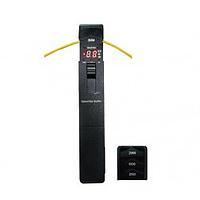
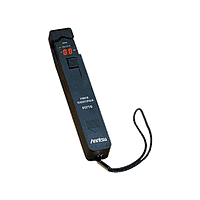
Optical Fiber Identifier Calibration Service
Reliable fiber maintenance depends on more than clean connectors and good splices. When technicians need to confirm the presence of live traffic, identify signal direction, or work safely on installed links, the accuracy of the test instrument matters. Optical Fiber Identifier Calibration Service helps keep these field tools dependable so measurement decisions are based on verified performance rather than assumption.
In telecom, data center, and fiber network maintenance environments, an optical fiber identifier is often used as a quick non-intrusive check before intervention. Regular calibration supports confidence in everyday troubleshooting, preventive maintenance, and service work where incorrect indication can lead to delays or unnecessary handling of active fibers.
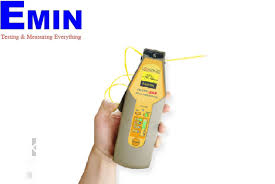
Why calibration matters for optical fiber identifiers
An optical fiber identifier is designed to detect optical traffic on a fiber without disconnecting the link. Because it is commonly used in live network environments, consistent response and indication quality are important for practical field use. Calibration helps verify that the instrument continues to operate within expected performance conditions over time.
This is especially relevant for equipment exposed to frequent transport, repeated clamping, varied site conditions, and long service intervals. A structured calibration process can reduce uncertainty during maintenance work and support better traceability in organizations that manage multiple optical test instruments.
Typical use cases in fiber network operations
This service is relevant for contractors, telecom service teams, integrators, enterprise IT departments, and maintenance providers working with optical infrastructure. In many cases, the instrument is used before patching, tracing, troubleshooting, or confirming whether a fiber is carrying live traffic.
Calibration is also useful as part of a broader optical maintenance workflow. Teams that manage several types of test equipment may align service intervals across related tools such as optical power meter calibration and OTDR photometer calibration service to maintain better consistency across testing and fault-finding activities.
What this category covers
This category focuses on calibration services for optical fiber identifiers used in field inspection and maintenance tasks. Rather than treating the instrument as a generic accessory, the service is intended for organizations that rely on it as part of a repeatable test and verification process.
Representative options in this category include the ANRITSU Optical Fiber Identifier Calibration Service and the Promax Optical Fiber Identifier Calibration Service. These examples illustrate support for recognized instrument brands commonly used in optical test environments, while keeping the emphasis on the calibration requirement itself.
How to choose the right calibration service
Selection usually starts with the instrument brand and the specific tool in use. If your installed base includes equipment from ANRITSU or Promax, matching the service to the correct manufacturer and device type helps avoid administrative errors and ensures the request is aligned with the equipment being maintained.
It is also useful to consider service history, calibration interval, internal quality requirements, and whether the device is used in routine maintenance or more critical operational workflows. For organizations managing multiple optical tools, calibration planning is often easier when grouped by instrument family and service cycle rather than handled only when equipment performance becomes questionable.
Calibration in a broader optical test ecosystem
Fiber maintenance rarely depends on a single instrument. Optical fiber identifiers are typically used alongside splicing, fault location, and power measurement tools, each serving a different role in installation or troubleshooting. Keeping these devices calibrated supports a more reliable end-to-end workflow, from identifying live fibers to validating link condition.
Where relevant, teams may also review adjacent services such as fiber optic welding machine calibration service or optical fault locator calibration. This kind of coordinated approach is particularly useful for service providers and technical departments that need better control over tool readiness across field teams.
Supported brands highlighted in this category
The category highlights services associated with established manufacturers such as ANRITSU and Promax. Mentioning these brands is helpful for buyers who search by installed equipment base, service records, or manufacturer preference.
At the same time, the main value of the page is to help users quickly identify the right service type for the instrument they need to maintain. That makes it easier to connect calibration planning with real operational needs instead of treating the process as a purely administrative step.
When to arrange calibration
Many organizations schedule calibration at regular intervals as part of preventive quality control. Others trigger service after heavy field use, after storage for extended periods, or when there is concern about instrument indication consistency during troubleshooting. The right timing depends on how often the device is used and how critical its results are to maintenance decisions.
For teams working in busy optical environments, routine calibration can help reduce uncertainty before site visits and improve documentation for internal maintenance procedures. It also supports better planning for instrument availability, especially when multiple technicians share the same pool of tools.
Practical value for purchasing and maintenance teams
For procurement teams, a clearly defined calibration category makes it easier to identify the correct service for a specific instrument type without sorting through unrelated optical support items. For technical teams, it helps connect service purchasing with actual workflow needs in fiber identification and live-link handling.
Whether you are maintaining a small test inventory or coordinating service across a larger fiber operations environment, choosing the correct optical fiber identifier calibration option helps support instrument reliability, traceability, and day-to-day usability. Reviewing the available services for your device brand is a practical next step when planning optical test equipment maintenance.
Get exclusive volume discounts, bulk pricing updates, and new product alerts delivered directly to your inbox.
By subscribing, you agree to our Terms of Service and Privacy Policy.
Direct access to our certified experts