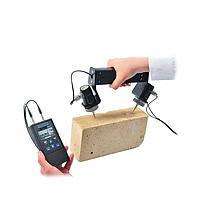
Concrete Strength Meter Calibration Service
Reliable compressive strength assessment depends not only on the condition of the structure being tested, but also on the accuracy of the instrument used on site. When a strength meter begins to drift, repeatability becomes weaker and the test result can no longer support confident decisions in inspection, acceptance, or maintenance work. That is why Concrete Strength Meter Calibration Service plays an important role in quality control for construction materials testing, field verification, and civil engineering workflows.
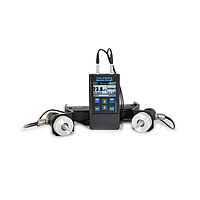
Why calibration matters for concrete strength measurement
A concrete strength meter is typically used to support non-destructive or comparative evaluation of concrete condition in the field. In practice, users expect the instrument to provide stable readings, predictable response, and traceable measurement performance over time. Regular calibration helps confirm whether the device still operates within acceptable limits for its intended testing tasks.
For contractors, laboratories, inspection units, and asset owners, calibration is also part of a broader measurement assurance process. It helps reduce uncertainty caused by impact wear, sensor drift, environmental exposure, transportation, and repeated use across many job sites. In short, calibration supports more dependable reporting and better technical decisions.
What this service is generally used for
This category is intended for users who need calibration support for concrete strength meters used in construction testing and structural evaluation. The service is relevant when an instrument is due for periodic verification, has shown inconsistent readings, has undergone repair, or needs to be checked before an important inspection campaign.
Calibration is especially valuable in environments where results are used for comparison between structures, acceptance of construction work, or routine maintenance programs. If your testing workflow involves multiple concrete assessment methods, related services such as concrete test hammer calibration may also be relevant for keeping field instruments aligned across the same project.
Scope of instruments and example service reference
The category focuses on calibration support for instruments used to assess concrete strength performance. One representative example in this page context is the NOVOTEST Strength Meter Calibration Service, which illustrates the type of service available for users working with this class of testing equipment.
Where brand-specific support is relevant, users may also review solutions associated with NOVOTEST. The key point, however, is not the brand name alone, but whether the instrument can be checked, adjusted if necessary, and documented in a way that supports consistent field measurement practice.
When to schedule a calibration check
Many organizations follow a fixed calibration interval based on internal quality procedures, project requirements, or usage frequency. Even so, time-based scheduling should not be the only trigger. A concrete strength meter may also need calibration after heavy field use, accidental impact, storage in harsh conditions, transport between sites, or whenever readings appear less stable than expected.
Another common scenario is before high-importance testing work, where users want to reduce the risk of disputed or unreliable results. If the instrument forms part of a wider inspection toolkit, it can be practical to coordinate calibration with other related devices, including concrete ultrasonic detector calibration service for teams using multiple methods to assess concrete condition.
How to choose a suitable calibration service
For technical buyers, the first consideration is whether the service provider understands the operating principle and practical use of the instrument. A useful calibration service should be able to verify performance in a controlled manner, identify deviations, and provide documentation that helps users maintain their quality records. Clear communication about device condition, service scope, and expected turnaround is often just as important as the calibration itself.
It is also worth considering how the service fits into your broader testing ecosystem. Some organizations manage several material testing instruments at the same time, from strength assessment to reinforcement location and durability-related evaluation. In those cases, linked services such as cover meter and rebar detector calibration can help streamline maintenance planning across the equipment fleet.
Benefits for laboratories, contractors, and inspection teams
For laboratories and field technicians, calibrated instruments support repeatable testing and improve confidence when comparing measurements over time. This is especially important when data is reviewed by consultants, project owners, or third-party inspectors who expect greater consistency in reported values.
For contractors and engineering teams, regular calibration helps reduce avoidable retesting, project delays, and uncertainty during site acceptance or troubleshooting. It also supports better instrument lifecycle management by identifying devices that may require servicing, adjustment, or replacement before they become a problem in active field work.
Supporting a more reliable concrete testing workflow
Concrete evaluation rarely depends on one instrument alone. Strength meters are often used alongside other test methods to build a more complete picture of material condition, structural uniformity, or reinforcement-related factors. In that context, calibration is not just a maintenance task; it is part of a disciplined testing process that helps keep field data more consistent and defensible.
If your team relies on portable instruments for construction materials testing, keeping each device properly checked over time is a practical way to protect both measurement quality and project efficiency. A well-planned calibration service for concrete strength meters can help maintain confidence in day-to-day inspections, scheduled condition assessment, and longer-term quality control programs.
Get exclusive volume discounts, bulk pricing updates, and new product alerts delivered directly to your inbox.
By subscribing, you agree to our Terms of Service and Privacy Policy.
Direct access to our certified experts