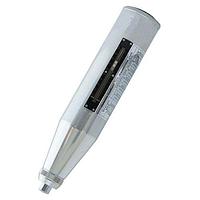
Concrete Test Hammer Calibration Service
Reliable rebound testing depends as much on instrument condition as on operator technique. When a Schmidt hammer or similar rebound device drifts out of tolerance, the readings can no longer support confident assessment of concrete surface hardness, comparative testing, or maintenance decisions on existing structures. A professional Concrete Test Hammer Calibration Service helps restore measurement confidence and supports more consistent field results.
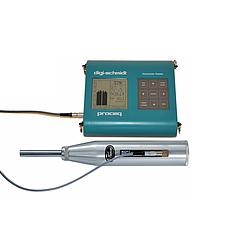
Why calibration matters for rebound hammers
A concrete test hammer is widely used because it offers a fast, non-destructive way to evaluate the rebound characteristics of hardened concrete. In practice, however, this type of instrument is exposed to repeated impacts, transport, dust, surface contamination, and mechanical wear. Over time, these factors can influence repeatability and make the instrument less dependable.
Calibration is therefore not just a formal maintenance step. It is a practical requirement for contractors, laboratories, inspectors, and civil engineering teams that need readings they can trust for trend comparison, routine inspection, and quality control workflows.
What this service is intended to support
This category focuses on calibration services for concrete test hammers used in construction testing and structural assessment. The goal is to verify instrument performance against the appropriate calibration process so the device remains suitable for ongoing use in the field or lab environment.
For organizations managing several concrete testing instruments, calibration also helps standardize measurement practices across projects and teams. It can reduce uncertainty when comparing historical readings, preparing inspection records, or aligning the performance of multiple units used at different job sites.
Common situations where recalibration becomes necessary
Many users send a hammer for service on a periodic schedule, but there are also clear operational signs that recalibration should be considered. These include inconsistent rebound values, unusual mechanical feel during impact, results that no longer align with expected concrete conditions, or instruments returning from heavy field use.
Calibration is also advisable after repair, after extended storage, or when a device has been subjected to shock during transport. In quality-sensitive environments, routine calibration intervals are often part of internal procedures to maintain traceable and repeatable inspection practice.
Brand coverage and example service options
This category includes service options for widely used brands in concrete testing. Examples include PROCEQ, ELCOMETER, Matest, and PCE, with dedicated entries such as the PROCEQ Concrete Test Hammer Calibration Service, ELCOMETER Concrete Test Hammer Calibration Service, Matest Concrete Test Hammer Calibration Service, and PCE Concrete Test Hammer Calibration Service.
Choosing a service aligned with the instrument brand can help users quickly find the most relevant option for their installed equipment base. At the same time, the main purpose remains the same across brands: to confirm that the hammer performs within the intended measurement range and operating condition for reliable rebound testing.
How calibrated hammers fit into broader concrete inspection workflows
Rebound hammer testing is often only one part of a wider inspection program. On many projects, users combine surface hardness assessment with cover measurement, ultrasonic evaluation, or corrosion-related checks depending on the structure, the investigation scope, and the level of detail required.
When your workflow includes additional instruments, it may be useful to review related services such as cover meter and rebar detector calibration or concrete ultrasonic detector calibration. Keeping these devices properly calibrated supports better consistency across the full inspection chain.
How to choose the right calibration service
The most practical starting point is the instrument type and manufacturer. Users should match the service to the specific hammer family in use, whether that is from ELCOMETER, Matest, PCE, or PROCEQ. This makes it easier to identify the correct service path for the equipment already deployed in the field.
It is also worth considering service planning from an operational perspective. Companies with active testing schedules may benefit from managing calibration as part of routine asset maintenance, especially when instruments are used across multiple sites, by several technicians, or under demanding site conditions.
Who typically needs this category
This service is relevant for construction testing laboratories, civil contractors, engineering consultants, inspection companies, infrastructure maintenance teams, and asset owners responsible for concrete condition evaluation. Any organization that depends on rebound hammer readings for comparison, screening, or documentation can benefit from regular calibration support.
It is particularly useful where inspection data needs to be repeatable over time. In these cases, a calibrated device helps reduce avoidable variation caused by instrument drift and supports better technical decision-making in maintenance, acceptance testing, and condition assessment programs.
Supporting dependable concrete testing over time
A concrete test hammer is simple to use, but dependable readings still rely on the mechanical condition of the instrument. Using a dedicated calibration service helps maintain measurement reliability, improves confidence in field data, and supports more disciplined inspection practice across concrete testing activities.
If your team works with rebound hammers as part of routine quality control or structural evaluation, this category provides a clear starting point for selecting the appropriate service option by brand and application context. Combined with proper handling and scheduled maintenance, calibration helps keep your testing process consistent and technically credible.
Get exclusive volume discounts, bulk pricing updates, and new product alerts delivered directly to your inbox.
By subscribing, you agree to our Terms of Service and Privacy Policy.
Direct access to our certified experts