
Concrete Tester Calibration Service
Reliable concrete testing depends on more than the instrument itself. In field inspection, construction quality control, and structural assessment, measurement drift can lead to inconsistent reports, unnecessary retesting, or uncertainty in acceptance decisions. A well-planned Concrete Tester Calibration Service helps keep testing equipment aligned with expected performance and supports more dependable results across routine and project-critical work.
This category is intended for organizations that use concrete testing instruments in laboratories, on construction sites, or during condition surveys. Whether the goal is periodic verification, traceable maintenance, or restoring confidence in older equipment, calibration is an important part of equipment lifecycle management.
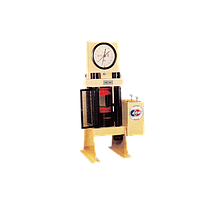
Why calibration matters for concrete testing equipment
Concrete test instruments are used to support decisions about material quality, structural condition, and compliance with project requirements. When an instrument is out of calibration, even small deviations can affect repeatability, comparison between test campaigns, and the credibility of recorded data. This is especially important when equipment is used by multiple teams or moved frequently between sites.
A proper calibration service helps confirm that the instrument responds within an acceptable range and that key functions operate as intended. For companies working in civil engineering, building inspection, infrastructure maintenance, or materials testing, regular calibration can also support internal quality systems and improve confidence before audits or client review.
Typical instruments covered in this category
This category focuses on calibration services for concrete testing equipment used in practical inspection and evaluation workflows. Depending on the device type, calibration may relate to impact response, signal behavior, measurement stability, or general instrument accuracy as applicable to the intended method of use.
One representative example in this category is the SJJW Pile Integrity Tester Calibration Service. For teams using pile integrity testing as part of foundation assessment, keeping the instrument properly calibrated helps maintain more consistent signal interpretation and dependable field operation. The service is relevant not only for new devices entering a maintenance schedule, but also for instruments that have seen intensive use in demanding site conditions.
Suitable for laboratories, contractors, and inspection teams
Calibration needs vary depending on how and where the equipment is used. Testing laboratories often require periodic service to support documented quality procedures, while contractors may prioritize fast turnaround to minimize downtime on active projects. Inspection teams and consultants may need calibration before major surveys, tender work, or reporting milestones where measurement reliability is especially important.
Concrete testing devices are often exposed to vibration, transport shock, dust, and changing environmental conditions. Over time, these factors may influence measurement behavior or operational stability. Scheduling regular service helps reduce uncertainty and can be a practical way to catch performance issues before they affect project workflows.
Choosing the right service scope
When selecting a concrete tester calibration service, it helps to consider the instrument type, frequency of use, and the level of documentation needed by your organization. Some users need routine periodic verification, while others may require calibration after repair, after suspected impact damage, or before a major inspection program begins.
It is also useful to review the broader group of related services if your team manages multiple instruments across concrete and reinforcement inspection. For example, organizations working with surface hardness methods may also need concrete test hammer calibration, while teams involved in embedded reinforcement location may benefit from cover meter and rebar detector calibration. Looking at calibration planning across the equipment fleet can simplify maintenance and improve consistency between test methods.
Brand-specific support and equipment context
In some cases, calibration is easier to manage when the service is aligned with the product ecosystem used in the field. If your team works with instruments from Jeweltest, brand familiarity can help ensure the service is matched to the relevant equipment type and usage context. This is particularly useful for specialized instruments that support foundation or structural evaluation tasks.
Even when the immediate need is only one instrument, it is often worth considering how that device fits into a larger testing workflow. Concrete quality assessment may involve several complementary methods, and maintaining each instrument on an appropriate calibration schedule helps reduce variation between different stages of inspection and reporting.
Related calibration services in concrete and structural testing
Many users searching for this category are responsible for more than one type of test instrument. In practical inspection programs, concrete testing may be combined with ultrasonic evaluation, corrosion investigation, permeability assessment, or reinforcement detection depending on project scope and structure condition.
If your work includes non-destructive evaluation methods, related services such as concrete ultrasonic detector calibration may also be relevant. Reviewing associated service categories can help maintenance teams organize service intervals more efficiently and keep field equipment ready for use.
When to schedule calibration
A scheduled interval is a common starting point, but timing should also reflect actual operating conditions. Instruments that are transported frequently, used intensively across multiple sites, or exposed to rough handling may need closer attention than equipment stored in a controlled laboratory environment. Service may also be appropriate after repair, firmware-related functional checks, or whenever measurement results appear inconsistent with expected behavior.
For asset managers and quality teams, calibration should be treated as part of a broader equipment control process rather than a one-time event. Maintaining service records, reviewing usage history, and planning ahead for critical projects can help avoid disruption and support more predictable testing operations.
Supporting dependable concrete test results
Calibration is a practical step toward more stable, trustworthy measurement performance in concrete inspection and materials testing. It helps organizations reduce uncertainty, improve equipment readiness, and maintain confidence in the data used for engineering and quality decisions.
If your team relies on concrete testing instruments in the field or lab, this category provides a focused starting point for managing that requirement. Reviewing the appropriate service for each device, including specialized options such as pile integrity tester calibration, can help build a more consistent and efficient testing workflow over time.
Get exclusive volume discounts, bulk pricing updates, and new product alerts delivered directly to your inbox.
By subscribing, you agree to our Terms of Service and Privacy Policy.
Direct access to our certified experts
