
Permeability Tester Calibration Service
Reliable permeability test results depend on more than the condition of the instrument itself. In construction materials testing, geotechnical evaluation, and laboratory quality control, even a small measurement drift can affect how water flow, penetration behavior, or material resistance is interpreted. That is why regular Permeability Tester Calibration Service is an important part of maintaining confidence in test data.
This service category is intended for organizations that rely on permeability testing as part of inspection, research, production control, or field verification. Proper calibration helps confirm that the tester is operating within expected performance limits, supports traceable measurement practices, and reduces uncertainty when results are used for technical decisions.
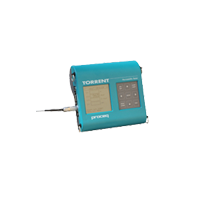
Why calibration matters for permeability testing
Permeability testing is often used to assess how a material responds to water or fluid movement under controlled conditions. In practical terms, the result may influence acceptance checks, durability evaluation, comparative studies, or maintenance planning. When the instrument is not calibrated correctly, the issue is not only inaccurate numbers, but also inconsistent interpretation across projects, batches, or test cycles.
A structured calibration service helps verify measurement behavior, identify deviation early, and improve repeatability over time. For laboratories and contractors working under internal quality systems, calibration also supports documentation readiness and better control of test reliability.
Typical users of this service
This category is relevant to a wide range of technical users, including civil engineering laboratories, construction material testing centers, academic research facilities, infrastructure inspection teams, and manufacturers performing in-house quality checks. Wherever permeability data is part of the workflow, calibration becomes part of the larger process of maintaining dependable measurement equipment.
It is especially useful for organizations that test concrete, cement-based materials, rock samples, asphalt-related specimens, or other structures where water penetration or flow characteristics are important. In these environments, maintaining instrument accuracy is closely tied to consistent reporting and easier comparison between different test periods.
What a permeability tester calibration service typically supports
Although the exact procedure depends on the instrument design and testing method, calibration generally focuses on confirming that the tester performs as intended within its operational range. This may include checking key measurement functions, verifying response consistency, and reviewing whether the device remains suitable for ongoing testing tasks.
From a user perspective, the main value lies in reducing hidden error sources. A tester can still power on and appear functional while gradually drifting away from acceptable measurement behavior. Regular calibration helps detect this before it affects larger volumes of test work or project documentation.
When to schedule calibration
Calibration intervals often depend on equipment usage frequency, internal quality procedures, testing criticality, and environmental conditions. Instruments used regularly in busy laboratories or exposed to demanding field conditions may need closer attention than those used occasionally. It is also sensible to arrange calibration after repair, after long storage, or when unusual readings suggest a possible performance shift.
If your workflow includes multiple material testing devices, it can be efficient to review calibration needs across related equipment at the same time. For example, teams working with permeability instruments may also need support for concrete ultrasonic detector calibration or cover meter and rebar detector calibration, depending on the scope of inspection and material assessment work.
Benefits for laboratories, contractors, and inspection teams
The main benefit of calibration is improved trust in the final test result. For laboratories, this supports better repeatability and more controlled documentation. For contractors and inspection teams, it helps reduce the risk of making decisions based on questionable data, especially when permeability results are tied to material evaluation, compliance checks, or comparative analysis.
Another practical advantage is better equipment lifecycle management. Regular review of instrument performance can reveal gradual wear, stability issues, or handling-related problems before they turn into larger operational disruptions. In that sense, measurement traceability and preventive maintenance often work together rather than as separate tasks.
How this service fits into a broader material testing workflow
Permeability testing is rarely an isolated activity. It is usually part of a broader testing ecosystem that may include surface hardness checks, internal defect investigation, reinforcement location, or corrosion-related evaluation. Keeping calibration up to date across these instruments helps create a more consistent technical basis for reporting and diagnosis.
Where the testing program includes adjacent methods, it may be helpful to review related services such as concrete test hammer calibration or rebar corrosion detection calibration. This kind of coordinated approach is especially useful for organizations managing a mixed fleet of laboratory and field test instruments.
Choosing the right calibration support
When selecting a service for a permeability tester, it is worth considering the intended application of the instrument, how often it is used, and how the results are documented within your quality process. A suitable service should align with the practical demands of your testing environment rather than treating all instruments as if they are used in the same way.
It is also helpful to prepare basic equipment information in advance, such as the tester type, current condition, and any observed issues in use. Clear service planning can make calibration more efficient and reduce delays when the instrument is part of an active testing schedule.
Support more dependable test results
Permeability data is most useful when the instrument behind it is checked and maintained on a regular basis. A well-timed permeability tester calibration helps improve consistency, supports quality assurance, and gives technical teams greater confidence in the results they report and act on.
For organizations working in construction materials, geotechnical testing, or infrastructure assessment, this service is a practical step toward more reliable measurement control across the wider testing workflow.
Get exclusive volume discounts, bulk pricing updates, and new product alerts delivered directly to your inbox.
By subscribing, you agree to our Terms of Service and Privacy Policy.
Direct access to our certified experts