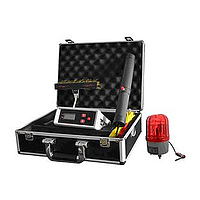
Adhesion Tester Calibration Service
Reliable pull-off adhesion testing depends on more than the tester itself. In coating inspection, surface preparation, protective finishing, and quality control, even a small measurement drift can affect acceptance decisions, maintenance planning, and compliance records. That is why Adhesion Tester Calibration Service is an important part of keeping inspection workflows consistent and traceable.
This category is intended for organizations that use adhesion testers in production, laboratory, field inspection, or asset integrity programs. Whether you work with painted steel, protective coatings, industrial finishing, or materials testing, regular calibration helps confirm that the instrument is performing as expected and supports confidence in the results you report.
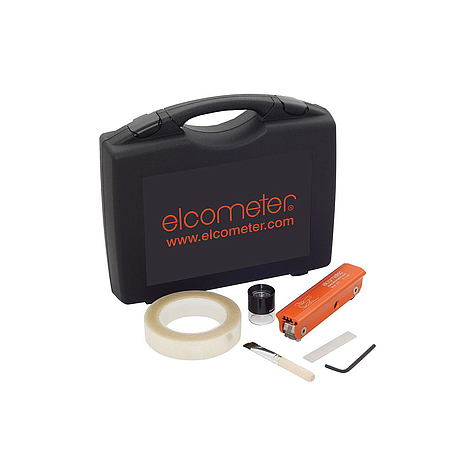
Why calibration matters for adhesion testers
An adhesion tester is commonly used to evaluate how strongly a coating or bonded layer adheres to a substrate. Because the test outcome is often used to verify coating quality or determine whether a surface meets a project requirement, the accuracy of the instrument has a direct impact on decision-making.
Calibration helps verify that the tester’s readings remain aligned with expected reference values over time. This is especially relevant for instruments exposed to transport, frequent field use, changing environmental conditions, or repeated loading cycles. Regular service can help reduce uncertainty, improve repeatability, and support more dependable inspection documentation.
Typical environments where this service is used
Adhesion testing is widely used in industries where coating performance is critical. Examples include metal finishing, corrosion protection, marine and offshore structures, infrastructure maintenance, manufacturing, and industrial painting. In these settings, test data may be reviewed by quality teams, inspectors, contractors, or end users, so stable instrument performance is essential.
This service is also relevant when adhesion testers are part of a broader inspection program. Companies that routinely verify coating systems may also require related support such as coating thickness meter calibration to keep multiple inspection points under control across the same workflow.
What to consider when selecting a calibration service
When choosing a service for an adhesion tester, it is useful to look at the role the instrument plays in your quality process. If the tester is used for final acceptance, contractual inspections, or regulated maintenance work, calibration intervals and service records may carry additional importance. For routine internal checks, consistency and turnaround time may be the main priority.
It is also practical to consider the instrument brand and service match. This category includes options for widely used manufacturers such as DEFELSKO, ELCOMETER, and PCE. Selecting the appropriate calibration service for the tester in use helps streamline maintenance planning and keeps records aligned with the equipment installed in your organization.
Representative calibration service options in this category
Several service entries in this category are organized by instrument brand, making it easier to identify a relevant option for the equipment already in service. Examples include the DEFELSKO Adhesion Tester Calibration Service, the ELCOMETER Adhesion Tester Calibration Service, and the PCE Adhesion Tester Calibration Service.
These entries are not simply brand labels; they help buyers and maintenance teams quickly locate service paths that fit their installed device base. For companies managing multiple measurement tools across sites, this structure can save time during procurement and simplify internal asset tracking.
How adhesion tester calibration fits into a broader inspection program
In many facilities, adhesion testing is only one part of a larger quality assurance system. Coating inspectors may combine pull-off adhesion data with thickness checks, environmental measurements, or visual assessment to build a complete picture of coating condition and application quality.
For that reason, calibration planning is often more effective when approached as part of an instrument management routine rather than as a one-off task. Depending on your inspection scope, it may be useful to review other specialized services such as laser power meter calibration service or compressed air and gases tester calibration service when maintaining a broader fleet of specialty instruments.
Who benefits from this category
This category is relevant for coating inspectors, QA/QC departments, maintenance contractors, third-party testing providers, and manufacturers that rely on documented measurement performance. It is also useful for procurement teams looking for a clearer route to service support by device type and brand.
Traceable measurement confidence is often the real objective behind calibration. Beyond the instrument itself, calibration supports better reporting, more consistent internal procedures, and improved confidence when results are reviewed by customers, auditors, or engineering teams.
Practical timing for calibration planning
Many users review calibration needs on a recurring schedule, but usage intensity also matters. Instruments used frequently in the field, shared across teams, or exposed to demanding environments may require closer attention than devices used occasionally in a controlled setting. If test results are tied to critical quality decisions, preventive planning is usually more effective than waiting for questionable readings to appear.
It is also sensible to coordinate service timing with shutdowns, project phases, or annual quality reviews. A structured approach can reduce disruption, improve equipment availability, and make it easier to keep test records current across multiple assets.
Supporting dependable coating adhesion measurements
Choosing the right adhesion tester calibration path helps protect the value of the measurements your team relies on. From routine inspection programs to project-based coating verification, properly maintained testers contribute to more stable results and better confidence in pass/fail decisions.
If your organization uses pull-off adhesion instruments from DEFELSKO, ELCOMETER, or PCE, this category provides a focused starting point for identifying the relevant service option. A well-planned calibration routine can support instrument reliability, cleaner documentation, and more consistent quality control over time.
Get exclusive volume discounts, bulk pricing updates, and new product alerts delivered directly to your inbox.
By subscribing, you agree to our Terms of Service and Privacy Policy.
Direct access to our certified experts