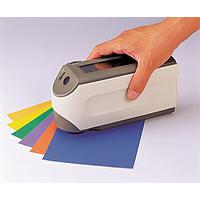
Colorimeter Calibration Service
Reliable color measurement depends on more than instrument quality alone. In production, laboratories, printing, coatings, textiles, water analysis, and inspection workflows, even a small drift in a meter can lead to inconsistent readings, rejected batches, or poor correlation between sites. That is why Colorimeter Calibration Service is an important part of maintaining dependable measurement performance over time.
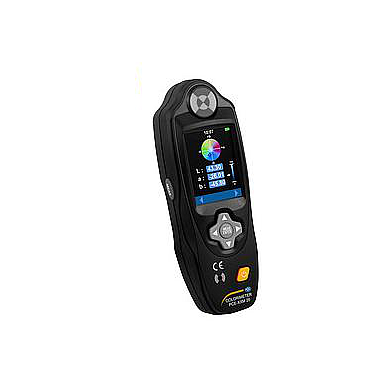
This category is focused on calibration support for colorimeters and related color measurement instruments used in technical and industrial environments. Whether the device is used for reflective color checks, process verification, or routine quality control, calibration helps confirm that readings remain consistent, traceable, and suitable for day-to-day decision-making.
Why calibration matters for color measurement instruments
A colorimeter is expected to convert visual differences into repeatable numerical values. When the instrument drifts, the impact is not always obvious at first, but it can gradually affect pass/fail decisions, supplier acceptance, product matching, and trend analysis. Regular calibration helps reduce this risk by verifying that the instrument continues to perform within expected measurement behavior.
For B2B users, calibration is not only about instrument maintenance. It also supports measurement confidence across departments, production lines, and external partners. In applications where color consistency influences product quality or compliance, a properly maintained meter becomes part of a more stable quality assurance system.
Typical instruments covered in this category
This category includes calibration service options for handheld and benchtop devices used to evaluate color or spectral response, depending on the instrument type. Common examples in this range include services for color meters as well as selected spectrophotometers used in practical color control workflows.
Representative offerings include the Xrite Spectrophotometer Calibration Service, YOKE Colour Meter Calibration Service, PCE Colour Meter Calibration Service, HACH Colour Meter Calibration Service, LUTRON Colour Meter Calibration Service, and SEKONIC Spectrophotometer Calibration Service. These examples show that the category is relevant for different brands and device formats rather than a single instrument family.
Applications where calibration is especially important
Color measurement is used in many sectors where visual appearance needs to be converted into objective data. In manufacturing, this can support incoming inspection, batch comparison, formulation checks, and final quality release. In laboratories and process environments, stable readings are important when the instrument is used as a reference point for trend monitoring or documentation.
Calibration is especially valuable when instruments are used frequently, moved between workstations, or relied on for customer-facing quality decisions. It is also important when multiple devices must correlate with each other, since even minor measurement offsets can create unnecessary disputes between operators, sites, or suppliers.
Brand coverage and service relevance
The category includes service options relevant to instruments from established brands such as Xrite, HACH, PCE, SEKONIC, YOKE, and LUTRON. Each brand may serve different use cases, from industrial color matching to process measurement and field verification, but the calibration objective remains similar: keeping the instrument dependable for real operating conditions.
For example, an Xrite or SEKONIC spectrophotometer may be part of a more advanced color evaluation workflow, while a HACH, PCE, YOKE, or LUTRON color meter may be used in routine testing or site-based measurements. Choosing the right service category helps ensure the instrument is assessed in line with its intended role and measurement function.
How to choose the right calibration service
When selecting a service, the first step is to identify the exact instrument type and manufacturer. Some users refer to all color-related devices as colorimeters, but in practice there may be differences between a basic color meter and a spectrophotometer. Matching the service to the actual instrument helps avoid delays and supports a smoother calibration process.
It is also useful to consider how the device is used in your workflow. Instruments used for final inspection, inter-site comparison, or customer approval often need closer attention than units used only for occasional internal checks. If your broader visual quality workflow also includes viewing equipment, you may want to review the related color assessment cabinet calibration service category to keep both instrumental and visual evaluation tools aligned.
Calibration as part of a wider quality system
In many industrial environments, a color meter is only one element of a larger control process. Operators may compare instrument readings with visual inspection, coating data, or other physical measurements to make a final judgment. This is why calibration should be viewed as part of a broader quality control workflow, not as an isolated maintenance task.
For companies that manage several types of specialty instruments, maintaining calibration across related equipment can improve overall consistency and reduce troubleshooting time. For example, teams working across surface finishing or material inspection may also need coating thickness meter calibration for complementary process control tasks.
What users typically expect from a calibration service
Most buyers in this category are looking for a service that helps confirm instrument condition, restore confidence in readings, and support ongoing operational reliability. In practice, this means the service should fit the instrument model, the usage environment, and the importance of the measurements being taken. For purchasing and maintenance teams, clear service alignment is often just as important as the instrument brand itself.
Calibration is also valuable after heavy use, long storage, transport, or whenever measurement results appear inconsistent with historical data. If your team depends on numeric color results for inspection, reporting, or process adjustment, regular service intervals can help reduce uncertainty and keep the instrument ready for production demands.
Choosing a suitable service for long-term instrument reliability
A well-managed calibration plan helps color measurement tools remain useful, credible, and easier to trust in day-to-day operations. This category brings together service options for widely used brands and instrument types, making it easier to find support for equipment already in your workflow.
If you are comparing service options for a handheld color meter or a more advanced spectrophotometer, focus on the instrument type, its application, and how critical its readings are to your process. With the right calibration service, color measurement can remain a practical and reliable part of your industrial quality system.
Get exclusive volume discounts, bulk pricing updates, and new product alerts delivered directly to your inbox.
By subscribing, you agree to our Terms of Service and Privacy Policy.
Direct access to our certified experts