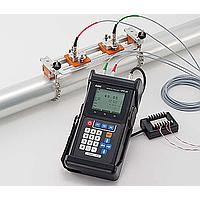
Flow Meter Calibration Service
Accurate flow measurement affects more than a single reading on a display. In process control, utilities, water systems, compressed air networks, and laboratory testing, even small measurement drift can lead to imbalance, wasted energy, incorrect reporting, or avoidable troubleshooting. That is why Flow Meter Calibration Service is an important part of maintaining confidence in flow data over time.
This category is intended for organizations that need calibration support for flow-related instruments used in industrial and technical environments. Whether the instrument is used for water measurement, ultrasonic testing, or combined flow and pressure verification, calibration helps confirm that the device is operating within expected performance and remains suitable for its application.
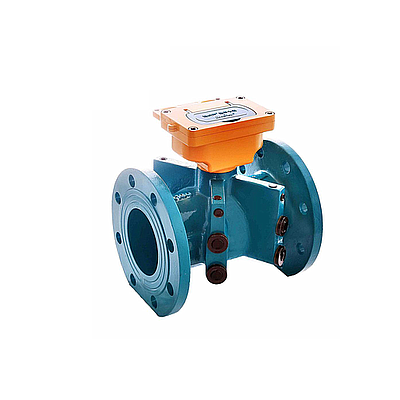
Why flow meter calibration matters
A flow meter is often part of a larger measurement chain, where its output may be used for monitoring, control, compliance, or equipment performance checks. When the meter drifts over time, the effect can spread across the system, influencing process decisions, maintenance planning, and quality records. Regular calibration helps reduce this risk by checking the instrument against known references and documenting its measurement condition.
Calibration is especially relevant when instruments are exposed to demanding operating conditions, frequent use, transportation, or applications where repeatability is important. In many facilities, it also supports internal quality procedures and helps teams maintain traceable maintenance practices across critical measuring equipment.
Typical instruments covered in this category
This category focuses on calibration services for instruments used to measure flow, including solutions applied in water systems, ultrasonic measurement, and broader flow and pressure testing tasks. The service scope may vary depending on the instrument type, measurement principle, and intended use, so it is useful to review the specific service page for the instrument you need to maintain.
Examples in this category include the TSI Flowmeters Flow & Pressure Test Instrument Calibration Service, the PCE Ultrasonic Flow Meter Calibration Service, the Tokyo-Keiki Ultrasonic Flowmeter Calibration Service, and the Dynaflox Water Flow Meters Calibration Service. These examples reflect the practical range of devices commonly found in industrial testing and measurement environments rather than a one-size-fits-all service model.
Common flow meter types and calibration considerations
Different technologies can require different calibration approaches. Ultrasonic flow meters, for example, are widely used where non-intrusive measurement is preferred or where line access is limited. Their accuracy can be influenced by installation conditions, application setup, and long-term operating history, making periodic calibration a valuable check for reliable performance.
Water flow meters used in utility, building, or treatment applications may need calibration to support operational accuracy and trend consistency. Instruments used for flow and pressure testing can also benefit from routine verification because they often support commissioning, inspection, troubleshooting, or field service work where dependable measurements are essential.
How to choose the right calibration service
When selecting a service, it helps to start with the instrument type and its application. Consider whether the device is used for water, gas, or general process measurement, whether it is portable or installed, and whether the reading is used for indication, testing, or control. These details influence the most relevant calibration workflow and help ensure the service aligns with your operational needs.
It is also useful to check the manufacturer-specific service options available in this category. For example, users working with instruments from PCE or Tokyo-Keiki may prefer service paths that match the brand and instrument family already deployed on site. This can make model identification and service selection more straightforward, especially in facilities managing multiple instruments across different maintenance cycles.
Representative brands and service examples
This category includes calibration service options related to several well-known instrument manufacturers. Among the leading names featured here are PCE, Tokyo-Keiki, TSI Flowmeters, and Dynaflox. Each brand may serve different use cases, from portable ultrasonic measurement to flow verification tasks in technical and industrial settings.
For buyers comparing options, the listed service pages can help narrow the search based on instrument brand or measurement context. The PCE Ultrasonic Flow Meter Calibration Service and Tokyo-Keiki Ultrasonic Flowmeter Calibration Service are relevant for ultrasonic applications, while Dynaflox Water Flow Meters Calibration Service is a practical reference for water-focused measurement tasks. The TSI Flowmeters Flow & Pressure Test Instrument Calibration Service is especially relevant when flow measurement is tied to pressure-related testing workflows.
Calibration as part of a broader measurement maintenance strategy
Many organizations do not manage flow instruments in isolation. They maintain a wider fleet of specialty meters and test equipment used across production, utilities, inspection, and quality assurance. In that context, flow meter calibration works best when it is integrated into a broader maintenance schedule that includes related measuring devices and documented service intervals.
If your operation also relies on other specialty instruments, related service categories may be useful to review. For example, facilities that monitor air systems may also need compressed air and gases tester calibration, while plants handling surface measurement tasks may benefit from coating thickness meter calibration. Looking at calibration needs across instrument groups can improve planning and reduce unplanned service gaps.
What to review before placing a service request
Before choosing a calibration service, confirm the exact instrument identity, including manufacturer and model naming as listed on the device or paperwork. This helps avoid mismatches and makes it easier to identify the most suitable service page. It is also helpful to note the current application, recent performance concerns, and whether the instrument is part of a regulated or quality-managed workflow.
For B2B buyers, clarity at the selection stage can save time later in the service process. If your team manages multiple meters across sites, grouping similar instruments by type, brand, and maintenance timing can make calibration planning more efficient and easier to track.
Supporting reliable measurement over time
Flow data is only as useful as the confidence behind it. A well-matched calibration service helps verify measurement performance, supports maintenance routines, and gives engineering, quality, and operations teams a clearer basis for decision-making.
Whether you are maintaining ultrasonic instruments, water flow meters, or combined flow and pressure test equipment, this category provides a focused starting point for identifying the right calibration service for your installed base. Reviewing the available service options by instrument type and brand can help you build a more consistent, dependable measurement program over time.
Get exclusive volume discounts, bulk pricing updates, and new product alerts delivered directly to your inbox.
By subscribing, you agree to our Terms of Service and Privacy Policy.
Direct access to our certified experts