Audio Analyzers Calibration Service
Accurate audio measurement depends not only on analyzer capability, but also on how well the instrument is maintained over time. In production lines, service labs, and electronics test environments, even small drift in level, frequency, distortion, or impedance-related readings can affect product validation and troubleshooting. A professional Audio Analyzers Calibration Service helps keep these instruments aligned with their intended measurement performance and supports more reliable test results.
Why calibration matters for audio analyzers
Audio analyzers are commonly used to verify signal quality, distortion behavior, level accuracy, and other key characteristics in audio and electronic test applications. When calibration is overdue, measurement uncertainty can increase, which may lead to inconsistent pass/fail decisions, harder fault isolation, or unnecessary rework.
Regular calibration supports measurement confidence across repeated tests and helps maintain consistency between instruments, teams, and sites. For organizations working with validation procedures, maintenance programs, or quality systems, scheduled service is also a practical way to document instrument condition and reduce risk in day-to-day operation.
Typical instruments covered in this category
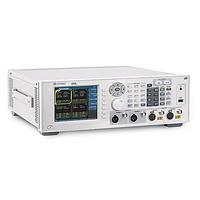
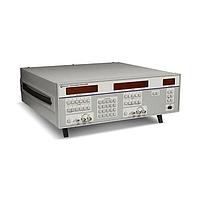
This category is focused on calibration support for audio analyzers and closely related instruments used in audio measurement workflows. Examples from this range include the BOONTON Audio Analyzer Calibration Service, the KEITHLEY Audio Analyzer Calibration Service, and the KEYSIGHT Audio Analyzer Calibration Service.
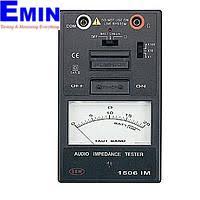
In some setups, adjacent instruments may also need attention to maintain a dependable test chain. For example, the GW INSTEK Distortion Meter Calibration Service is relevant where harmonic distortion measurements are part of the broader audio verification process, while the SEW Audio Impedance Analyzer Calibration Service fits applications involving impedance-related checks.
Common applications and operating environments
Calibration demand for audio analyzers often comes from electronics manufacturing, repair centers, component evaluation, educational labs, and quality assurance departments. These instruments may be used to assess amplifiers, audio modules, signal paths, and other electronic assemblies where signal integrity and repeatability are important.
In practice, analyzer performance matters most when measurements are used for comparison over time. If one production batch is tested months apart from another, a calibrated instrument helps reduce doubts about whether a difference is caused by the device under test or by drift in the measurement system itself.
What to consider when selecting a calibration service
When choosing a service for audio analyzers, it helps to start with the instrument type, usage frequency, and the role of the analyzer in your process. A unit used in routine production acceptance may require more structured calibration scheduling than one used occasionally for bench diagnostics.
You should also consider the broader instrument ecosystem. Companies that maintain several RF or communications test assets may prefer a service approach that covers multiple categories under one maintenance plan. In that case, related options such as vector network analyzer calibration or RF and microwave power meter calibration may be relevant alongside audio-focused instruments.
Manufacturer coverage in this category
This category includes calibration service examples associated with widely recognized instrument brands such as KEITHLEY, KEYSIGHT, BOONTON, GW INSTEK, and SEW. Mentioning manufacturer-specific services can be helpful when your maintenance records, installed base, or procurement process are organized by brand.
That said, service selection should still be guided by the instrument’s function in your workflow rather than by brand name alone. For example, an audio analyzer used for routine verification has different service priorities than a distortion-focused meter or an impedance-oriented instrument, even if they support related test tasks.
How calibration supports quality and troubleshooting
A calibrated analyzer is valuable not only for formal verification but also for everyday engineering work. During debugging, technicians often compare current readings against previous baselines, reference units, or expected values from design targets. If the measuring instrument itself is questionable, troubleshooting becomes slower and less conclusive.
This is why traceable maintenance and periodic calibration are often treated as part of the test strategy rather than an isolated service task. They help support root-cause analysis, improve confidence in acceptance testing, and make historical measurement data more meaningful.
Related service needs across the test bench
Audio analyzers rarely operate in isolation. In many labs and service organizations, they are part of a wider bench that may include RF measurement tools, telecom test instruments, and specialized meters. If your workflow extends beyond audio testing, it may be useful to review related calibration categories such as RF voltmeter calibration service where signal-level verification across different frequency domains is also important.
Looking at calibration needs across the full equipment set can improve maintenance planning and reduce downtime caused by fragmented service cycles. It also helps ensure that connected instruments in the same measurement chain are maintained with a similar level of control.
Choosing the right service path for your instruments
For buyers and maintenance teams, the most effective approach is usually to match service scope with actual instrument use. Review the analyzer’s role, the critical measurements it supports, how often it is used, and whether results are tied to compliance, production release, or internal engineering decisions. This leads to a more practical calibration schedule than relying on generic assumptions.
Whether you are maintaining a single bench instrument or managing a larger fleet, this category brings together relevant options for audio analyzer calibration in a technical B2B setting. A well-planned calibration program helps preserve instrument usability, supports more dependable measurements, and makes it easier to keep test processes consistent over time.
Get exclusive volume discounts, bulk pricing updates, and new product alerts delivered directly to your inbox.
By subscribing, you agree to our Terms of Service and Privacy Policy.
Direct access to our certified experts