Fixed Gas Meter Inspection Service
In continuous gas monitoring systems, reliability is not just a maintenance concern—it directly affects plant safety, compliance routines, and day-to-day operational confidence. When a fixed gas detection setup is exposed to harsh industrial conditions, periodic inspection helps confirm that sensors, alarms, and signal paths are still performing as expected.
Fixed Gas Meter Inspection Service is intended for sites that depend on permanently installed gas detection points in process areas, utility rooms, storage zones, and confined-risk environments. Rather than treating inspection as a formality, many facilities use it as a practical way to identify drift, response issues, installation-related problems, or early signs of component deterioration before they lead to false alarms or missed events.
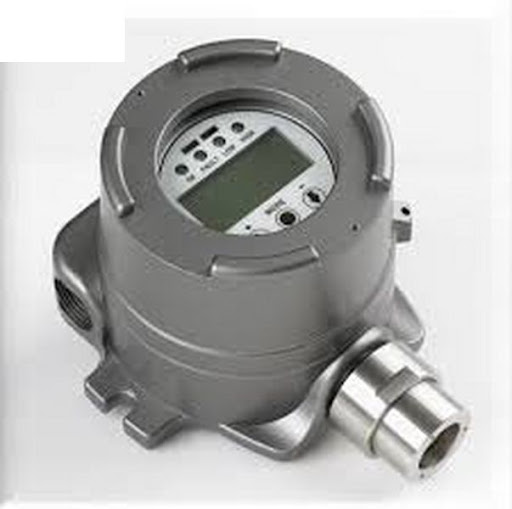
Why periodic inspection matters for fixed gas monitoring
Unlike portable instruments that are handled and checked more visibly by users, fixed gas meters often operate continuously in the background. That makes regular inspection especially important. Over time, exposure to gas, humidity, dust, vibration, temperature variation, and site contamination can affect sensor response, alarm behavior, and overall system stability.
A structured inspection process helps verify whether the installed device still responds appropriately under expected conditions. It also supports maintenance planning by highlighting issues such as sensor aging, wiring concerns, signal inconsistencies, or the need for further service. For facilities with broader monitoring programs, this category also complements related services such as single gas meter inspection when both fixed and portable devices are used on site.
Typical scope of a fixed gas meter inspection service
The exact inspection workflow depends on the installed equipment and site requirements, but the main objective is consistent: confirm that the detector is suitable for continued operation. In practice, this may involve checking core operating condition, response behavior, indication status, alarm output, and general installation integrity.
For fixed systems, technicians often pay attention to items such as sensor condition, display or status indication, basic functional response, and whether the unit appears to be operating within a stable and usable range. This kind of service is especially relevant where gas detection forms part of a wider safety or environmental control strategy, alongside equipment such as combustion and emission gas analyzer inspection services.
Suitable applications across industrial environments
Fixed gas detection is commonly used where gas hazards may develop without immediate human presence. This includes production lines, chemical handling areas, tank farms, battery rooms, compressor rooms, wastewater zones, and utility systems. In these environments, permanently installed monitoring points help maintain continuous awareness of atmospheric conditions.
Inspection services are therefore relevant not only for high-risk process plants, but also for facilities that need dependable monitoring in support areas. Even where gas exposure is intermittent, the installed detector still needs to be checked at appropriate intervals so that alarm and detection functions remain trustworthy when needed.
Examples of supported service options
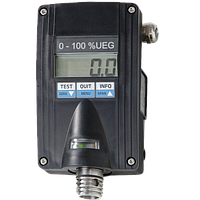
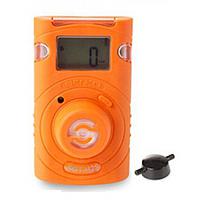
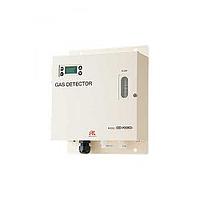
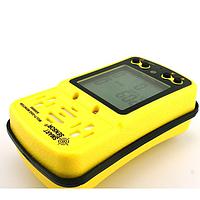
This category includes representative service offerings for established gas detection brands such as RKI, SENKO, and GFG. Examples listed in this category include the RKI Fixed Gas Detection Inspection Service, SENKO Fixed Gas Detection Inspection Service, and GFG Fixed Gas Detection Inspection Service.
These examples help illustrate the type of brand-specific inspection support available for installed gas monitoring equipment. The goal is not simply to match a brand name, but to provide a service path that aligns with the actual equipment in operation and the maintenance expectations of industrial users.
How to choose the right inspection service
When selecting a service, it is useful to start with the installed equipment base: manufacturer, device type, sensing principle, application area, and whether the system is part of a local alarm point or a larger control architecture. This helps determine whether a standard inspection scope is sufficient or whether a broader review of the detection setup may be required.
It is also important to consider site conditions and maintenance history. A detector installed in a clean indoor utility space may face very different inspection priorities than one installed in a corrosive or dusty process environment. For organizations maintaining multiple types of environmental instrumentation, related categories such as air quality meter inspection can be relevant when building a more complete service schedule.
Brand context and service planning
Many industrial sites operate mixed fleets of fixed detection equipment, especially after system expansions, retrofits, or phased upgrades. In that situation, having access to inspection services associated with recognized manufacturers like RKI, SENKO, and GFG can make service planning more straightforward and easier to align with installed assets.
Service planning should also take into account operating criticality. Detection points installed near hazardous gas sources, enclosed systems, or personnel access routes may warrant closer attention than devices in lower-exposure areas. A practical inspection program usually prioritizes equipment based on risk, process importance, and maintenance records rather than applying the same interval blindly to every point.
When this category is the right fit
This category is best suited for users looking specifically for inspection support for fixed gas meters or permanently installed gas detection devices. It is a focused option for facilities that need to verify the condition and functionality of stationary monitoring points rather than handheld detectors or unrelated measuring instruments.
If your equipment mix includes other support systems, there may also be value in reviewing adjacent service categories such as air dryer inspection services where plant reliability and environmental control are managed together. Choosing the right category from the start can help streamline service requests and reduce unnecessary back-and-forth during maintenance planning.
Supporting safer and more consistent operation
A well-timed inspection does more than check a box—it helps maintain confidence in one of the plant’s most important protective layers. For permanently installed gas detection points, regular review can support safer operation, more predictable maintenance, and better visibility into equipment condition over time.
Whether you are managing a small number of fixed detectors or a larger installed network, this category provides a clear starting point for evaluating service options tied to your equipment and application. By choosing inspection support that fits the installed system, facilities can make gas monitoring maintenance more consistent, practical, and easier to manage.
Get exclusive volume discounts, bulk pricing updates, and new product alerts delivered directly to your inbox.
By subscribing, you agree to our Terms of Service and Privacy Policy.
Direct access to our certified experts