Gas Detector and Meter Inspection Service
Accurate gas detection is not only about taking a reading at the right moment. In industrial plants, utilities, laboratories, building services, and environmental monitoring work, the condition of the instrument itself has a direct impact on safety, compliance, and maintenance decisions. A professional Gas Detector and Meter Inspection Service helps verify that portable and fixed instruments remain reliable, responsive, and suitable for their intended use.
This category covers inspection support for a wide range of gas-related measuring devices, from single-gas and multi-gas detectors to air quality meters and combustion or emission analyzers. It is intended for organizations that need a practical way to assess instrument condition, reduce downtime risk, and maintain confidence in field measurements across day-to-day operations.
Why inspection matters for gas detection equipment
Gas detectors and meters often operate in environments where measurement errors can lead to serious consequences. Sensor aging, contamination, pump wear, filter blockage, battery issues, display faults, and alarm problems can all affect performance over time. Even when an instrument powers on normally, that does not automatically mean it is responding correctly in real operating conditions.
A structured inspection process is useful for identifying these risks before they become field failures. For maintenance teams, EHS departments, and service contractors, inspection is a practical part of lifecycle management, especially for instruments used in confined space entry, leak checking, combustion analysis, indoor air quality work, or routine environmental checks.
Instruments commonly covered in this category
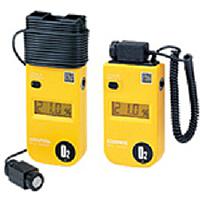
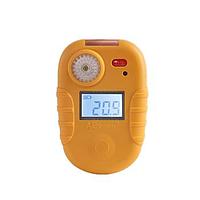
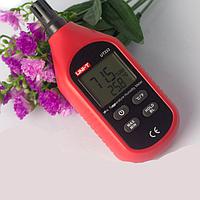
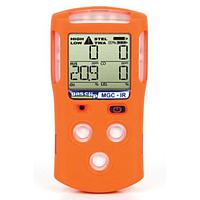
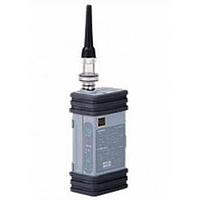
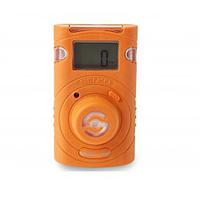
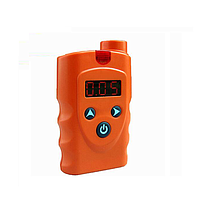
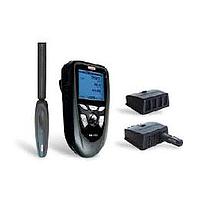
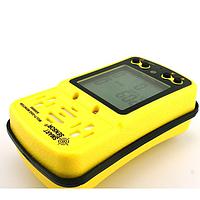
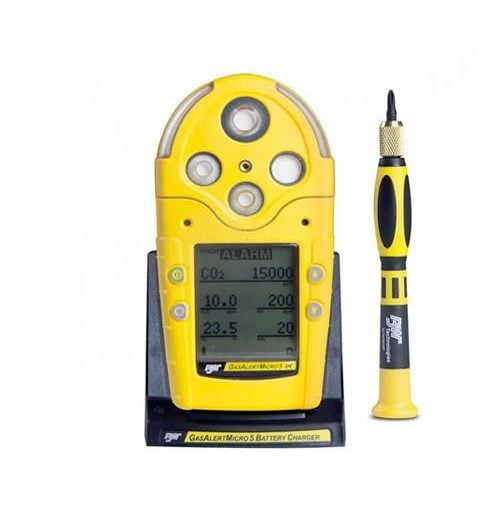
This service category is relevant to several types of devices used for gas detection and gas-related measurement. That includes portable single-gas instruments, multi-gas detectors, air quality meters, carbon monoxide meters, gas leak detectors, and combustion or emission analyzers used in service, inspection, and monitoring tasks.
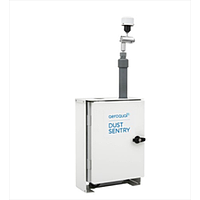
Examples in this category include the INDUSTRIAL SCIENTIFIC Multi Gas Detector Inspection Service, FLUKE Air Meter Inspection Service, TESTO Gas Leak Detector Inspection Service, and Aeroqual Air Quality Monitor Inspection Service. These examples show that the scope is not limited to one application; it supports both safety-focused gas detection and broader air measurement workflows.
Where the requirement is more specific, related service types may also be relevant. For example, users working across broader testing equipment fleets may also review specialty meter inspection services for complementary instruments used alongside gas monitoring devices.
Typical inspection focus areas
The exact inspection steps depend on the instrument type, but the overall goal is consistent: confirm that the device is in suitable operating condition and that its key functions can be evaluated in a systematic way. For gas detectors, attention is often given to sensor response behavior, alarm functionality, display condition, housing integrity, sampling path condition, and power-related checks.
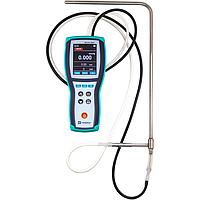
For air quality and combustion-related meters, inspection may also involve reviewing measurement channels, probe or inlet condition, interface status, and general usability in the field. This is especially important for instruments that are moved frequently between sites or used in dusty, humid, or chemically exposed environments, where wear can accumulate gradually and go unnoticed.
In practice, inspection helps answer a basic but important question: is the instrument still dependable enough for the work being asked of it? That question is highly relevant whether the device is used for workplace safety monitoring, HVAC assessment, emissions investigation, or process support.
Brand coverage and service examples
This category includes inspection service examples associated with widely used instrument brands such as FLUKE, TESTO, Aeroqual, Chauvin Arnoux, EXTECH, BKPRECISION, DEFELSKO, and KANOMAX. Different brands serve different use cases, so inspection needs can vary depending on whether the instrument is intended for personal safety, indoor air quality, facility diagnostics, or combustion testing.
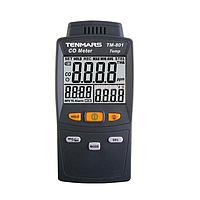
Representative services include EXTECH Multi-gas Detector Inspection Service, BKPRECISION Carbon Monoxide (CO) Meter Inspection Service, Chauvin Arnoux Air Quality Meter Inspection Service, and TESTO Combustion/Emission Analyzer Inspection Service. Rather than treating all devices the same, this category supports a more appropriate approach based on how each instrument is used in the field and what type of sensing or measurement it performs.
For users managing electrical testers and gas measurement tools together in one maintenance program, it can also be helpful to compare with electrical and electronic meter inspection service options to build a more complete equipment service plan.
How to choose the right inspection service
A good starting point is the instrument type. A single-gas detector used for routine area checks has different inspection priorities from a multi-gas monitor used for confined space work. Likewise, an air quality meter or combustion analyzer may involve different accessories, operating conditions, and failure points than a standard gas leak detector.
The second factor is the application environment. Instruments used in harsh industrial settings, field service vehicles, construction sites, or high-frequency maintenance rounds may need closer attention than equipment stored in controlled indoor conditions. Exposure to vibration, moisture, dust, solvents, or temperature fluctuation can influence inspection needs over time.
The third factor is how the device fits into your wider maintenance process. If your team manages multiple categories of physical measuring equipment, it may be useful to coordinate service planning with mechanical measuring instruments inspection service where appropriate, especially in organizations that centralize equipment control and periodic checks.
Who benefits from routine gas detector and meter inspection
This category is relevant to a broad range of B2B users. Industrial manufacturers, utility companies, HVAC contractors, laboratories, building maintenance teams, environmental service providers, and safety departments all rely on gas-related instruments in different ways. In each case, inspection helps support continuity of work and better control over equipment condition.
For procurement and asset management teams, inspection services also make equipment records easier to manage across mixed fleets of instruments from different manufacturers. For technicians and supervisors, the benefit is more practical: fewer surprises in the field, clearer visibility into instrument condition, and better confidence when readings are used to support operational or safety decisions.
Supporting a reliable equipment lifecycle
Gas detection and air measurement instruments are often small, portable, and easy to move between users, which also makes them easy to overlook until a problem appears. A well-planned inspection program helps bring structure to that lifecycle by identifying wear, checking essential functions, and highlighting instruments that may require further service attention.
Whether your requirement involves a single portable detector or a wider fleet of meters used across maintenance and compliance tasks, this category provides a focused starting point for evaluating service options. By selecting inspection support that matches the instrument type, operating environment, and measurement purpose, organizations can keep their equipment base more dependable and easier to manage over time.
Get exclusive volume discounts, bulk pricing updates, and new product alerts delivered directly to your inbox.
By subscribing, you agree to our Terms of Service and Privacy Policy.
Direct access to our certified experts