Combustion/Emission Gas Analyzer Inspection Service
Accurate flue gas measurement is essential for burner tuning, boiler maintenance, emissions control, and safety checks in industrial and commercial facilities. When an analyzer is used to verify combustion efficiency or track exhaust conditions, its condition directly affects the reliability of the reading. A professional Combustion/Emission Gas Analyzer Inspection Service helps confirm that the instrument is operating correctly before it is relied on in field work, compliance routines, or service diagnostics.
This category focuses on inspection services for combustion and emission analyzers used in HVAC, energy, maintenance, and process environments. It is relevant for teams that need consistent performance from portable analyzers and want a practical way to evaluate instrument condition, measurement stability, and service readiness.
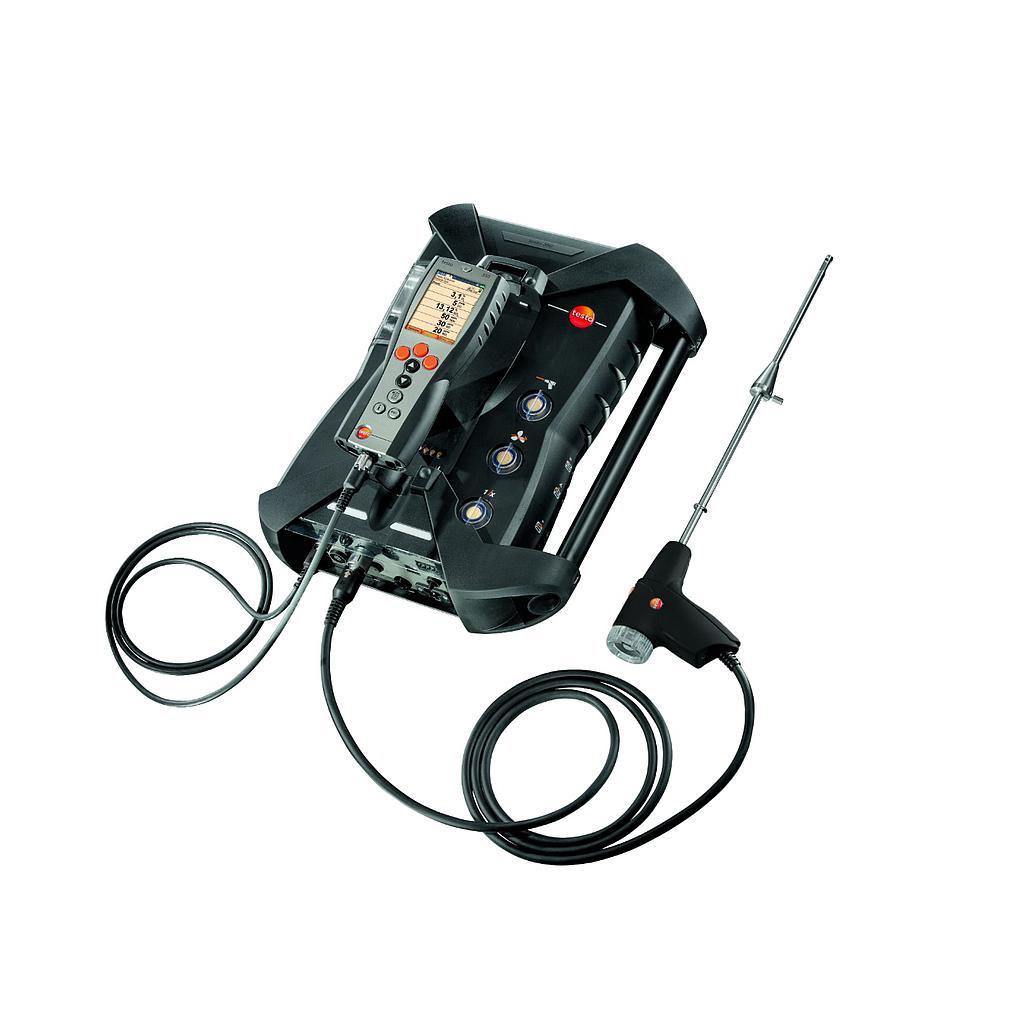
Why inspection matters for combustion and emission analyzers
Combustion analyzers are commonly used to assess parameters related to fuel burning performance and exhaust gas condition. In day-to-day use, these instruments may be exposed to dust, moisture, vibration, sensor aging, and demanding field conditions. Over time, those factors can influence response behavior, sampling performance, and the overall trustworthiness of the instrument.
An inspection service is useful when a device is part of routine maintenance work, commissioning activity, or periodic verification workflows. It supports users who need confidence in instrument readiness without treating every issue as a full repair case. In many organizations, inspection is part of a broader asset care approach alongside services such as air quality meter inspection and checks for other gas measurement equipment.
What this service category is designed to support
This service category is intended for portable analyzers used to evaluate combustion processes and emission-related gas conditions. Typical use cases include boiler service, furnace optimization, burner setup, facility maintenance, and field diagnostics where measurement quality affects operational decisions.
The goal is not simply to process an instrument through a generic service flow, but to help determine whether the analyzer remains suitable for continued use. For B2B users, that means supporting maintenance teams, contractors, service centers, and plant personnel who depend on repeatable measurements in real operating environments.
Typical checkpoints in an analyzer inspection workflow
Although exact service steps can vary by instrument type and condition, a proper inspection generally focuses on the analyzer as a working system rather than on one isolated part. This may include review of the instrument’s physical condition, sampling path integrity, display and interface status, and general operational response under inspection procedures.
For combustion and emission analyzers, attention is often given to items that affect sampling reliability and measurement consistency. This is especially important for devices that are frequently transported between job sites or exposed to intensive service schedules. Where organizations manage multiple gas instruments, this category may also sit alongside services such as fixed gas meter inspection for a more complete maintenance program.
- Instrument condition assessment to identify visible wear or handling-related issues
- Functional inspection of core analyzer operation and user interface behavior
- Sampling system review where overall measurement performance may be affected
- Service readiness evaluation to support continued field use or further action if needed
Supported brands and representative service options
This category includes inspection services associated with widely used analyzer brands in the field, including TESTO and Sauermann. These brands are commonly seen in combustion analysis work across HVAC service, building systems maintenance, and technical inspection environments.
Representative options in this category include the TESTO Combustion/Emission Analyzer Inspection Service, Sauermann Combustion/Emission Analyzer Inspection Service, and KIMO Combustion/Emission Analyzer Inspection Service. These references help illustrate the scope of supported service requests while allowing buyers to align the inspection pathway with the analyzer brand already in use.
How to decide when inspection is the right service
Inspection is often the right starting point when an analyzer still powers on and remains in service, but there are concerns about condition, reliability, or routine upkeep. It can also be appropriate before peak maintenance periods, after intensive field use, or when internal quality procedures call for periodic evaluation of service tools.
For some organizations, inspection is scheduled preventively to reduce downtime and avoid unexpected problems during site visits. For others, it is triggered by unusual behavior, inconsistent readings, or concerns after transport and storage. If your service scope also includes other portable instruments, it may be useful to review related options such as single gas meter inspection service to standardize maintenance planning across device types.
Who typically uses this service
This category is relevant to HVAC contractors, boiler service companies, industrial maintenance teams, energy service providers, facility operators, and technical departments responsible for diagnostic instruments. In these settings, combustion analyzers are not just accessories; they are working tools used to support adjustment, troubleshooting, and verification tasks.
Because these instruments often influence maintenance decisions, inspection helps reduce uncertainty before a technician heads to the field. It is particularly valuable in organizations that manage multiple units, shared instruments, or recurring preventive maintenance activity across several sites.
Choosing a suitable service path for your analyzer fleet
When selecting an inspection service, it is helpful to start with the analyzer brand, the instrument’s usage intensity, and the role it plays in your workflow. A unit used occasionally for spot checks may have different service priorities than one used daily for commissioning and burner optimization. Matching the service to the actual operating context leads to better maintenance planning and more efficient instrument lifecycle management.
If your team uses combustion and emission analyzers as part of a wider gas measurement toolkit, keeping inspection intervals organized across equipment categories can simplify administration and reduce disruption. A clear service structure also makes it easier to track which instruments are ready for deployment and which require additional attention.
Practical value for ongoing maintenance operations
A well-planned inspection approach supports more than instrument upkeep. It helps protect the quality of service reports, reduces avoidable troubleshooting time, and supports more dependable field decisions where combustion performance and exhaust analysis matter. For B2B users, that practical value is often more important than simply checking a service box.
For teams working with TESTO, Sauermann, or KIMO-related analyzer service needs, this category provides a focused route to assess instrument condition in a professional maintenance context. If you are reviewing service options for combustion analyzers within a larger gas instrumentation program, this category is a logical place to start.
Get exclusive volume discounts, bulk pricing updates, and new product alerts delivered directly to your inbox.
By subscribing, you agree to our Terms of Service and Privacy Policy.
Direct access to our certified experts