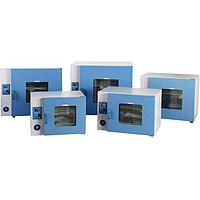
Autoclave Sterilizer Inspection Service
Reliable sterilization depends on more than daily operation. In laboratories, healthcare support environments, and controlled research spaces, routine inspection helps confirm that an autoclave is operating safely, consistently, and in line with the process requirements of the facility. This is especially important where steam sterilization supports sample handling, media preparation, glassware processing, or contamination control.
Autoclave Sterilizer Inspection Service is intended for organizations that need a structured assessment of sterilizer condition and operating performance. Rather than focusing only on a fault after downtime occurs, inspection work supports preventive maintenance planning, risk reduction, and better visibility into the condition of critical laboratory equipment.
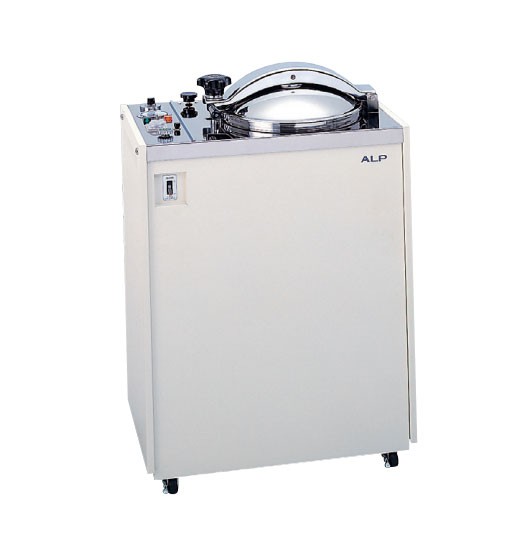
Why autoclave inspection matters in laboratory operations
An autoclave works under demanding conditions involving heat, pressure, steam generation, chamber sealing, and control accuracy. Over time, normal wear can affect the stability of the sterilization cycle, the integrity of sealing components, and the overall reliability of the unit. Inspection helps identify these issues before they lead to process interruption or questionable sterilization outcomes.
For many users, inspection is also part of a broader equipment quality strategy. Facilities that already schedule services such as biosafety cabinet inspection or other laboratory equipment checks often include autoclaves in the same preventive program to maintain a more controlled operating environment.
What is typically reviewed during an inspection service
A professional autoclave inspection usually looks at the equipment from both a safety and performance perspective. Depending on the unit and service scope, this may include checks related to chamber condition, door or lid closure, sealing parts, control response, pressure and temperature behavior, indicators, alarms, and general operating status. The goal is to verify whether the system appears to function as intended and whether there are visible signs of wear or developing problems.
Inspection is not the same as a simple visual check by the operator. It is more structured and is useful for documenting equipment condition over time. This makes it easier to decide when additional maintenance, repair, or deeper validation work may be required.
Suitable for different autoclave brands used in labs
This category covers inspection services for a range of laboratory autoclaves from manufacturers commonly used in research and industrial settings. Examples include equipment from MEMMERT, Yamato, Benchmark, CRYSTE, HIRAYAMA, SH Scientific, WITEG, JSR, Labstac, and STURDY. Mentioning multiple brands is useful because inspection needs often vary slightly by chamber format, control layout, and intended laboratory use.
Representative service items in this category include the Memmert Autoclave Sterilizer Inspection Service, Yamato Autoclave Sterilizer Inspection Service, Benchmark Autoclave Sterilizer Inspection Service, and HIRAYAMA Autoclave Sterilizer Inspection Service. These examples help buyers quickly identify brand-relevant service options without turning the page into a model list.
When to schedule an autoclave inspection
Inspection may be appropriate at several points in the equipment lifecycle. Many laboratories schedule it periodically as part of preventive care, while others request inspection after relocation, after unusual operating behavior, or before restarting a unit that has been idle for an extended period. It is also common to inspect equipment when users notice changes in cycle consistency, longer heating times, alarm events, or concerns about chamber sealing.
In regulated or quality-focused environments, periodic inspection supports better documentation and internal oversight. Even where full qualification is handled separately, routine checks still play a practical role in keeping day-to-day sterilization processes dependable.
How to choose the right service option
When comparing service options, it helps to start with the brand and actual equipment type in use. A vertical laboratory autoclave, benchtop unit, or compact sterilizer may have different inspection priorities depending on its design and operating routine. Matching the service to the equipment brand can also simplify communication around parts, controls, and expected inspection points.
It is also useful to consider how the autoclave fits into the rest of the laboratory workflow. If sterilization is part of a larger chain that includes cold storage or sample preparation equipment, a broader inspection plan may be worthwhile. In that context, some users also review related services such as centrifuge inspection service or deep freezer checks to improve overall equipment readiness.
Examples of services available in this category
The category includes multiple brand-specific service entries to help buyers locate a relevant starting point. Among them are the JSR Autoclave Sterilizer Inspection Service, Labstac Autoclave Sterilizer Inspection Service, STURDY Autoclave Sterilizer Inspection Service, WITEG Autoclave Sterilizer Inspection Service, SH Scientific Autoclave Sterilizer Inspection Service, and CRYSTE Autoclave Sterilizer Inspection Service.
These listings are especially useful for procurement teams, lab managers, and maintenance coordinators who prefer to search by installed brand. Instead of reviewing unrelated service pages, they can navigate directly to a service aligned with the autoclave already in operation.
Supporting safer and more consistent sterilization processes
Autoclave inspection contributes to more than equipment upkeep. It supports process reliability, helps reduce unexpected downtime, and gives laboratories a clearer basis for maintenance planning. For equipment that plays a direct role in contamination control, these practical benefits can have a meaningful effect on workflow continuity.
If your facility operates laboratory sterilizers from brands such as MEMMERT, Yamato, Benchmark, CRYSTE, or HIRAYAMA, this category provides a focused way to find suitable inspection services. Choosing the right service starts with understanding the equipment in use, the criticality of the sterilization process, and the value of regular inspection as part of a broader laboratory equipment management program.
Get exclusive volume discounts, bulk pricing updates, and new product alerts delivered directly to your inbox.
By subscribing, you agree to our Terms of Service and Privacy Policy.
Direct access to our certified experts