
Check deep freezer
Reliable ultra-low and low-temperature storage is critical in laboratories, hospitals, research facilities, and pharmaceutical environments where sample integrity depends on stable conditions over time. When a freezer begins to drift from its target temperature, shows uneven cooling, or develops alarm and sensor issues, the risk extends far beyond equipment downtime. A professional deep freezer inspection service helps verify operating performance, identify early faults, and support safer storage of temperature-sensitive materials.
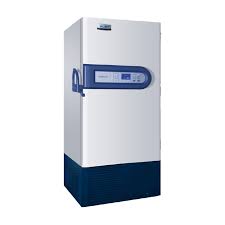
Why deep freezer inspection matters
Deep freezers are often used to store reagents, biological samples, medicines, vaccines, and other materials that can be affected by even small temperature deviations. In these applications, inspection is not just about checking whether the unit turns on. It is about evaluating the overall condition of the equipment, including temperature stability, door sealing performance, alarm behavior, and the general reliability of the cooling system.
A scheduled inspection can help maintenance teams detect problems before they lead to product loss or process disruption. This is especially important in facilities that operate under internal quality systems or require consistent environmental control across multiple laboratory devices.
What is typically reviewed during a check deep freezer service
The scope of inspection may vary depending on the freezer type, usage pattern, and site requirements, but the service generally focuses on the core functions that affect storage safety. The goal is to assess whether the unit is operating within expected conditions and whether any visible or functional issues should be corrected.
Typical review points may include:
- Temperature performance and indication consistency
- Condition of door gaskets, hinges, handles, and closure integrity
- Operation of alarms, indicators, controls, and display functions
- Interior and exterior condition, including signs of frost buildup or airflow obstruction
- Basic assessment of compressor behavior, cooling response, and overall equipment status
In practice, these checks help users understand whether the freezer is suitable for continued service, needs preventive maintenance, or should be evaluated further for repair or calibration-related work.
Common issues found during freezer inspection
Many freezer problems develop gradually and may not be obvious during daily use. A unit may still appear to be running while struggling to recover temperature after door openings, producing abnormal noise, or displaying values that do not reflect actual chamber conditions. Over time, these issues can affect stored materials and increase energy consumption.
Frequent findings include worn seals, excessive ice accumulation, sensor or display mismatch, inconsistent temperature distribution, and poor cabinet closure. Inspection also helps reveal operational issues caused by installation conditions, loading practices, or insufficient cleaning around ventilation areas. Addressing these points early usually supports more stable operation and reduces the chance of sudden failure.
When to schedule a deep freezer inspection
Inspection is useful both as a routine preventive measure and as a response to specific symptoms. Facilities often schedule periodic checks for critical storage equipment, especially when freezers are used continuously or hold high-value samples. It is also sensible to request service after relocation, after extended operation without maintenance, or when users report alarm events or unusual temperature behavior.
If your laboratory manages multiple controlled devices, aligning freezer checks with other service activities can improve maintenance planning. For example, some sites also review related equipment such as autoclave sterilizer inspection service or biosafety cabinet inspection service as part of broader laboratory quality control.
Who can benefit from this service
A check deep freezer service is relevant for organizations that rely on controlled cold storage as part of daily operations. This includes medical laboratories, research institutes, universities, pharmaceutical production and storage areas, hospital departments, and testing facilities. Even when the freezer is not used for ultra-sensitive materials, regular inspection helps confirm that it remains dependable for routine use.
For quality managers and facility teams, inspection provides a clearer picture of equipment condition and supports better maintenance decisions. For laboratory users, it offers practical reassurance that the storage environment is being monitored with attention to the functions that matter most.
How freezer inspection fits into laboratory equipment management
Deep freezers are only one part of a broader laboratory infrastructure where performance, cleanliness, and operational safety must be maintained across different equipment types. A structured inspection program makes it easier to prioritize service actions, document equipment condition, and reduce unplanned interruptions.
Depending on the workflow, organizations may also evaluate adjacent equipment categories such as centrifuge inspection service or centrifugal mixer inspection service. Looking at these systems together often gives a more complete view of laboratory readiness and equipment risk.
What to consider before requesting service
Before arranging inspection, it helps to prepare some basic information about the unit, such as how it is used, any recent alarms, observed temperature fluctuation, frost problems, or mechanical concerns with the door and cabinet. This context can make the visit more efficient and helps focus attention on the issues most likely to affect operation.
It is also useful to review how critical the stored contents are and whether the freezer has backup arrangements in place. For high-dependency storage applications, preventive inspection is often more practical than waiting for visible failure. A well-timed review can support equipment reliability, protect stored materials, and make future maintenance planning more predictable.
Supporting safer cold storage over time
Choosing a professional inspection approach for laboratory freezers is a practical step toward better control of storage conditions. Rather than reacting only when a problem becomes urgent, facilities can use regular checks to spot deterioration earlier and maintain confidence in day-to-day operation.
Where sample preservation, research continuity, or compliance-related handling is important, a thorough deep freezer condition assessment can provide valuable insight into equipment status. With the right inspection schedule, organizations can improve reliability, reduce avoidable risk, and keep essential cold storage equipment performing as expected.
Get exclusive volume discounts, bulk pricing updates, and new product alerts delivered directly to your inbox.
By subscribing, you agree to our Terms of Service and Privacy Policy.
Direct access to our certified experts