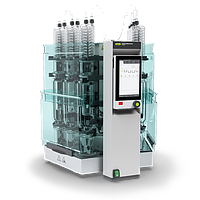
Extractor Inspection Service
Reliable extraction results depend not only on method settings and solvents, but also on the condition of the equipment itself. In laboratories where extractors are used for sample preparation, fat determination, solvent recovery, or other routine analytical workflows, periodic inspection helps verify that the system is operating safely, consistently, and in line with expected performance.
Extractor Inspection Service is intended for laboratories that want better control over equipment condition, reduced risk of unexpected downtime, and more confidence in day-to-day testing. This type of service is especially relevant when extractors are part of regulated procedures, repetitive production checks, or quality-focused laboratory environments.
Why extractor inspection matters in laboratory operations
Extraction equipment is often exposed to heat, solvent handling, repeated cycles, and continuous use over time. Even when the instrument still appears to run normally, wear in seals, fittings, temperature-related components, or mechanical assemblies can gradually affect reliability, safety, and reproducibility.
A structured inspection helps identify issues before they become larger operational problems. For laboratories that need stable analytical workflows, this can support preventive maintenance planning, improve troubleshooting efficiency, and help maintain confidence in reported results.
What is typically reviewed during an inspection service
Although the exact scope depends on the equipment design and service procedure, an extractor inspection commonly focuses on the overall condition of the system, key functional assemblies, and visible signs of deterioration. The aim is to assess whether the instrument is suitable for continued operation and whether any maintenance actions should be considered.
Typical review points may include:
- General physical condition of the extractor and accessible components
- Operational status of core functions involved in the extraction cycle
- Condition of seals, connections, holders, glass or structural parts where applicable
- Basic checks related to heating, timing, movement, or recovery processes depending on instrument design
- Safety-relevant observations, including signs of leakage, instability, or abnormal wear
In practice, inspection is valuable both for heavily used laboratory instruments and for systems that have been idle for a period and need condition verification before returning to routine use.
Suitable for Buchi and VELP extraction systems
This category includes service options for recognized laboratory equipment brands used in extraction workflows. Where brand-specific support is important, users can refer to solutions related to Buchi and VELP, both of which are represented in the available service offering.
Examples in this category include the Buchi Extractor Inspection Service and the VELP Extractor Inspection Service. These service entries help laboratories identify a suitable inspection path for installed equipment without turning the category page into a long product list.
When to schedule an extractor inspection
Many laboratories arrange inspection at planned intervals, especially when extraction equipment supports routine quality control, academic research, food analysis, chemical testing, or production-related laboratory work. A scheduled review is often useful before audit periods, after intensive usage, or when operators begin to notice inconsistent behavior.
It can also make sense to request inspection when an extractor shows early warning signs such as unstable operation, unusual cycle behavior, visible wear, or solvent handling concerns. In these situations, an inspection provides a practical first step before deciding on repair, replacement parts, or broader maintenance action.
How inspection supports safety, uptime, and method confidence
Laboratory extractors can be closely tied to sample throughput and reporting timelines. When equipment issues are found late, the impact can extend beyond the instrument itself to delayed testing, repeated sample preparation, and additional workload for laboratory staff. Regular inspection helps reduce these risks by bringing attention to equipment condition earlier.
From a quality perspective, inspection also supports equipment reliability. While inspection is not the same as a full calibration or complete overhaul, it plays an important role in the broader lifecycle of laboratory asset management by helping teams decide whether an instrument is ready for continued service, needs closer monitoring, or should be sent for further work.
Part of a broader laboratory equipment service strategy
Extractor inspection is often one element within a wider laboratory equipment support program. Facilities that manage multiple instrument types may also need condition checks for systems used in sterilization, containment, mixing, or sample preparation. Depending on the laboratory environment, related service categories such as autoclave sterilizer inspection or centrifuge inspection service may also be relevant.
Looking at inspection needs across the full laboratory workflow can make service planning more efficient. It also helps standardize how equipment condition is reviewed, documented, and followed up internally.
Choosing the right service entry for your lab
When selecting an inspection service, the most important factor is alignment with the equipment type in use. Laboratories should consider the extractor brand, the role of the instrument in the workflow, current operating condition, and whether the goal is routine verification, troubleshooting support, or pre-maintenance assessment.
If your site uses Buchi or VELP systems, choosing the matching service entry can help streamline the request process and improve service relevance. For procurement teams and laboratory managers, this category provides a focused starting point for identifying extractor-related inspection support without unnecessary complexity.
Final considerations
An extractor that is inspected at the right time is easier to manage, safer to operate, and less likely to create avoidable interruptions in laboratory work. For organizations that depend on consistent extraction processes, a well-planned inspection service is a practical part of maintaining performance over time.
Whether you are reviewing equipment status for preventive purposes or responding to signs of wear, this category helps connect your laboratory with service options tailored to extraction systems. That makes it easier to plan the next step with clarity and keep critical analytical equipment in dependable working condition.
Get exclusive volume discounts, bulk pricing updates, and new product alerts delivered directly to your inbox.
By subscribing, you agree to our Terms of Service and Privacy Policy.
Direct access to our certified experts