
Flocculator Inspection Service
Reliable mixing performance is essential when coagulation and flocculation tests are used to evaluate water treatment conditions, chemical dosing, or process consistency. When a flocculator is not operating as intended, test results can drift, stirring conditions may become inconsistent between positions, and day-to-day comparison becomes less trustworthy. This is why a professional Flocculator Inspection Service plays an important role in laboratories, utilities, and industrial quality control environments.
This service is intended to help verify that a flocculator is operating in a stable, repeatable, and safe manner for routine use. It is especially relevant for facilities that rely on jar testing or controlled mixing to assess settling behavior, optimize treatment parameters, and maintain confidence in laboratory workflows.
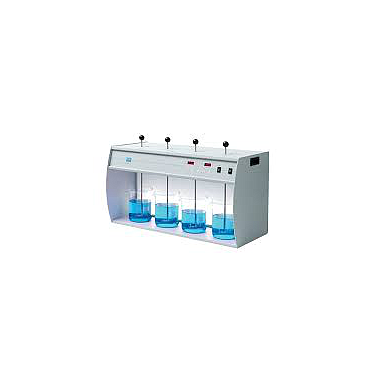
Why flocculator inspection matters
In practical laboratory work, a flocculator is expected to provide consistent mixing conditions across multiple test positions. Even small deviations in rotational behavior, timer operation, or mechanical stability can affect how particles aggregate during testing. That can influence interpretation of treatment performance, especially when comparing samples or adjusting chemical dosage.
Inspection helps identify whether the equipment is still suitable for its intended task and whether operating conditions remain aligned with routine testing requirements. For organizations that must maintain documented equipment control, periodic inspection also supports traceability, internal quality procedures, and more dependable decision-making.
Typical scope of a flocculator inspection service
The exact inspection scope can vary depending on the instrument design and site requirements, but the service is generally focused on the core functions that influence usability and repeatability. This may include review of operating condition, visible mechanical integrity, control response, and basic performance behavior relevant to laboratory use.
For a flocculator, inspection is commonly concerned with items such as paddle movement, speed consistency, timer function, display or control interface condition, and overall readiness for operation. Visual and functional checks are often just as important as measurement-related verification because wear, looseness, or uneven motion can directly affect test quality.
- Condition of the frame, paddles, shafts, and sample positions
- Operation of speed controls and timer settings
- Stability and uniformity during mixing
- Electrical and safety-related visible checks
- General suitability for routine laboratory use
Where this service is commonly used
Flocculators are frequently used in water and wastewater laboratories, environmental testing facilities, treatment plants, academic labs, and industrial process control settings. In these environments, jar testing is often part of the workflow for evaluating coagulant or polymer performance before process adjustments are made in the field.
Because the instrument supports comparative testing, inspection is particularly useful where results are used to guide operational decisions. Facilities that also manage other controlled laboratory equipment may benefit from aligning flocculator checks with broader service planning for related assets such as centrifuge inspection service or centrifugal mixer inspection service.
Key points to evaluate before booking service
Before scheduling an inspection, it is helpful to review how the flocculator is used in your facility. Important considerations include the frequency of operation, whether the unit is used for comparative method work, and whether there have been signs of unstable speed, timer irregularity, abnormal noise, vibration, or inconsistent results between stations.
It is also useful to prepare basic equipment information such as model identification, maintenance history, and any current operating concerns observed by users. This allows the inspection process to focus on the most relevant areas and helps determine whether the equipment requires routine verification, troubleshooting support, or a broader maintenance review.
How flocculator inspection supports laboratory quality systems
A structured inspection program helps laboratories maintain better control over equipment that influences test conditions. In regulated or quality-managed environments, this supports clearer documentation of equipment status and reduces the risk of relying on a device that appears functional but no longer performs consistently enough for dependable comparison work.
Inspection can also be planned alongside other laboratory equipment checks to streamline internal asset management. For example, facilities with temperature-sensitive storage or microbiological workflows may also coordinate this service with deep freezer inspection or biosafety cabinet inspection service, depending on their operating scope.
When inspection is especially recommended
Periodic inspection is worth considering when a flocculator is used regularly, when test repeatability is becoming harder to maintain, or when the equipment has been in service for an extended period without formal evaluation. It is also advisable after relocation, following mechanical repair, or when users report differences in agitation behavior between test positions.
In many laboratories, inspection intervals are shaped by internal procedures, frequency of use, and the role of the instrument in decision-making. Equipment that directly supports process optimization or compliance-related testing usually benefits from more disciplined review than instruments used only occasionally.
Choosing the right inspection approach
The most effective service approach is one that matches the actual role of the equipment in your process. A flocculator used for routine screening may require a different level of attention than one used in controlled laboratory evaluation where repeatability and comparison across samples are central to the work. Clear inspection records, practical reporting, and attention to functional condition are typically more valuable than a generic checklist.
When planning service, it helps to think beyond a simple pass-or-fail outcome. Useful inspection should provide a clearer picture of the unit’s operating condition, highlight issues that may affect test confidence, and support decisions about continued use, maintenance, or further technical review.
Conclusion
A well-maintained flocculator contributes to more reliable jar testing, better process evaluation, and improved confidence in laboratory results. By using a dedicated inspection service, laboratories can better understand the condition of their equipment, reduce the chance of unnoticed performance drift, and support more consistent day-to-day operation.
If your facility depends on controlled mixing for water treatment or laboratory analysis, scheduling a flocculator inspection is a practical step toward maintaining equipment reliability and preserving the quality of your testing workflow.
Get exclusive volume discounts, bulk pricing updates, and new product alerts delivered directly to your inbox.
By subscribing, you agree to our Terms of Service and Privacy Policy.
Direct access to our certified experts