Heating Plates Inspection Service
Stable temperature control is critical in many laboratory workflows, from routine sample preparation to solvent evaporation and controlled heating steps. When a hot plate begins to drift, heat unevenly, or respond slowly, it can affect repeatability, operator safety, and overall process confidence. A structured Heating Plates Inspection Service helps laboratories verify that equipment is operating as expected and identify issues before they disrupt daily work.
Why heating plate inspection matters in laboratory operation
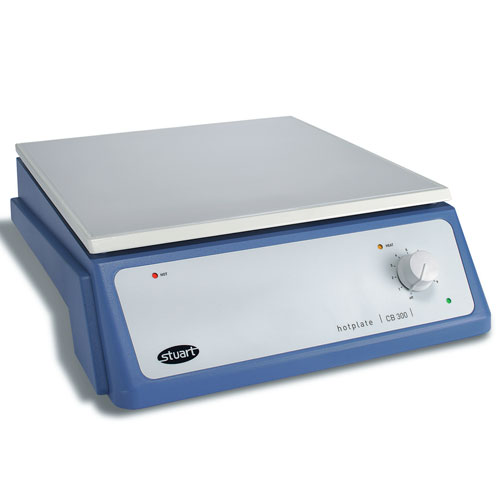
Heating plates are used in analytical, research, educational, and quality control environments where consistent thermal performance matters. Over time, normal use can lead to wear in heating elements, surface degradation, unstable control response, or deviations between set temperature and actual heating behavior. Inspection helps detect these problems early and supports more reliable day-to-day operation.
For laboratories that manage multiple instruments, inspection is also part of a broader equipment maintenance strategy. Facilities that already schedule services such as centrifuge inspection or periodic checks for thermal storage equipment often include hot plates in the same preventive planning cycle.
What is typically evaluated during a heating plate inspection service
A proper inspection process usually focuses on the condition and performance of the unit rather than only a visual check. Key points often include the physical state of the plate surface, the integrity of controls, power and heating response, and general operational stability under normal use conditions. This type of review helps determine whether the device remains suitable for laboratory tasks that depend on controlled heating.
Depending on the equipment condition, the service may also help reveal signs of overheating, sensor drift, inconsistent heat transfer, or control irregularities. These findings are useful for laboratories that need better traceability in maintenance records and want to reduce the risk of unexpected downtime.
Common signs that a heating plate should be inspected
Not every issue appears as a complete failure. In many cases, laboratories notice subtle symptoms first: longer warm-up times, unstable temperature behavior, visible wear on the plate surface, unusual smells during operation, or controls that no longer feel responsive. Even if heating still occurs, these signs can point to declining performance.
Inspection is especially worthwhile after long operating periods, relocation, frequent heavy use, or whenever heating results become inconsistent between batches. In regulated or quality-sensitive environments, regular checks can also support internal maintenance procedures and reduce uncertainty during audits or equipment reviews.
Service coverage across major laboratory heating plate brands
This category includes inspection support for a range of widely used laboratory brands. Examples include equipment from IKA, JEIOtech, SI ANALYTICS, Yamato, VELP, WITEG, SH Scientific, DaiHan, and Benchmark. Brand-specific familiarity can be helpful because control layouts, heating behavior, and typical wear patterns may differ across product lines.
Representative services in this category include IKA Heating Plates Inspection Service, JEIOTECH Heating Plates Inspection Service, SI ANALYTICS Heating Plates Inspection Service, VELP Heating Plates Inspection Service, and WITEG Heating Plates Inspection Service. These listings help laboratories find a service path that matches the manufacturer of the equipment already installed in their lab.
How inspection supports safety, accuracy, and equipment lifecycle
A hot plate is a simple device in appearance, but in practice it directly affects both temperature consistency and operator safety. Uneven heating or control instability can influence sample quality, while damaged surfaces or electrical wear can create avoidable operational risks. Routine inspection helps verify that the unit remains suitable for its intended workload.
From an asset management perspective, inspection can also support better decisions about continued use, maintenance scheduling, or replacement planning. Instead of waiting for a complete breakdown, laboratories can use inspection findings to prioritize service actions and maintain a more predictable equipment lifecycle.
When to combine heating plate inspection with other laboratory equipment checks
Many laboratories prefer to organize service by equipment group or maintenance window rather than treating each instrument separately. If your facility is already reviewing sterilization, containment, or cold storage devices, it may be practical to align hot plate checks with related services such as autoclave sterilizer inspection or deep freezer inspection.
This approach can improve maintenance visibility across the lab and make service planning more efficient. It is particularly useful in facilities where multiple instruments contribute to one workflow and where unexpected downtime in one area can affect the full testing or preparation process.
Choosing the right inspection service for your equipment
The most practical starting point is to match the service to the equipment brand and the laboratory context in which the hot plate is used. A unit in light educational use may have different inspection priorities than a heating plate used daily in analytical preparation or routine production support. Reviewing the installed base by manufacturer can help streamline service selection.
It is also helpful to consider the operating history of the unit, any recurring performance concerns, and whether the equipment is part of a larger preventive maintenance program. For organizations using multiple brands, this category provides a focused way to locate relevant inspection options without overcomplicating the selection process.
Supporting reliable laboratory heating performance
Laboratory equipment inspection is most valuable when it helps teams work with fewer interruptions and greater confidence in routine results. For heating plates, that means confirming stable operation, identifying wear early, and keeping thermal processes under control across daily laboratory use.
If your team relies on heated sample preparation, reagent handling, or other temperature-dependent tasks, a well-matched inspection service can be an important part of preventive maintenance. Reviewing the available brand-specific options in this category is a practical next step toward safer, more consistent hot plate operation.
Get exclusive volume discounts, bulk pricing updates, and new product alerts delivered directly to your inbox.
By subscribing, you agree to our Terms of Service and Privacy Policy.
Direct access to our certified experts