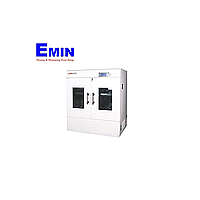
Incubator Inspection Service
Stable temperature conditions are critical in many laboratories, whether the application involves microbiology, cell culture, sample conditioning, or routine incubation steps. When an incubator drifts from its intended operating range, the impact can extend beyond equipment performance to test reliability, process consistency, and internal quality control. A professional Incubator Inspection Service helps verify that the unit is operating as expected and supports safer, more dependable laboratory workflows.
This service category is intended for laboratories that need a practical way to assess incubator condition, confirm performance, and identify issues before they affect day-to-day operation. It is especially relevant in environments where temperature stability, repeatability, and documented equipment checks are part of normal quality requirements.
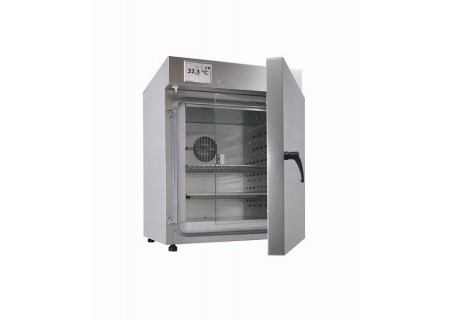
Why incubator inspection matters in laboratory operation
An incubator is often treated as a background device because it runs continuously and appears simple to use. In practice, however, it is a piece of temperature-controlled equipment that can influence sample integrity and experimental repeatability. Even small deviations in chamber performance may matter when procedures depend on controlled incubation conditions over time.
Regular inspection helps laboratories detect wear, performance drift, sensor-related issues, door seal problems, or operating inconsistencies that may not be obvious during everyday use. For facilities managing several controlled devices, incubator checks are often considered alongside related services such as biosafety cabinet inspection or autoclave sterilizer inspection as part of a broader laboratory equipment maintenance plan.
What this service typically supports
The goal of an incubator inspection is not simply to check whether the unit turns on. A useful inspection focuses on operational condition, performance behavior, and signs that the equipment may require adjustment, maintenance, or deeper evaluation. This is particularly important for laboratories that rely on repeatable thermal environments across multiple batches or testing cycles.
In practical terms, the service can support incoming equipment assessment, periodic condition checking, or review of incubators already in active use. It is also valuable after relocation, long storage periods, or when users notice symptoms such as slower stabilization, inconsistent chamber conditions, unusual alarms, or concerns about process reproducibility.
Suitable for many incubator brands used in labs
Laboratories often operate equipment from different manufacturers, especially when systems have been added over time. This category covers inspection service options for commonly used brands, including Binder, MEMMERT, JEIOtech, Hettich, Lauda, Yamato, Benchmark, CRYSTE, DaiHan, and SH Scientific. Brand-specific service listings help users find a suitable starting point when they already know the equipment make in their lab.
Examples in this category include Binder Incubator Inspection Service, Hettich Incubator Inspection Service, JEIOTECH Incubator Inspection Service, MEMMERT Incubator Inspection Service, and Yamato Incubator Inspection Service. These listings are useful for matching service requests to installed equipment without turning the page into an overloaded product table.
When to arrange an inspection
Many laboratories schedule inspections at defined intervals, but there are also operational signals that should not be ignored. If the unit shows inconsistent recovery after door opening, unexplained variation between runs, unstable displayed values, or concerns raised during internal audits, an inspection can help clarify the actual condition of the incubator.
Inspection is also a sensible step before critical validation work, after repair, or when restarting equipment that has not been used for a long period. In laboratories that maintain several environmental or processing systems, it can be efficient to align incubator checks with other service activities such as centrifuge inspection service or deep freezer checks.
How to choose the right service option
For most buyers, the best starting point is the equipment brand and the service objective. Some requests are preventive and routine, while others are triggered by a suspected performance issue or by documentation requirements in regulated or quality-sensitive environments. Providing the incubator manufacturer, model information, installation location, and a brief description of the concern can help narrow the right service path more quickly.
It is also helpful to consider how the incubator is used in the laboratory. A unit supporting general sample holding may require a different service priority than one used in tightly controlled workflows. The right choice is usually the one that aligns the inspection scope with actual operational risk, downtime tolerance, and quality expectations.
Examples of service listings in this category
This category includes service pages for a range of manufacturer-specific requests, such as Binder Incubator Inspection Service, Hettich Incubator Inspection Service, JEIOTECH Incubator Inspection Service, SH Scientific Incubator Inspection Service, DaiHan Incubator Inspection Service, Lauda Incubator Inspection Service, and Benchmark Incubator Inspection Service. These examples illustrate the breadth of supported brands without requiring users to search across unrelated laboratory service categories.
Where a laboratory operates mixed equipment fleets, these listings can make procurement and service coordination easier. Instead of treating all incubators as identical, the category structure helps users move toward a more brand-aware service selection while keeping the purchasing process straightforward.
Choosing inspection as part of preventive maintenance
Inspection is often most valuable when it is used proactively rather than only after a failure. A planned review can reduce unplanned downtime, help identify performance concerns earlier, and support more consistent laboratory scheduling. For many organizations, this approach is part of a broader preventive maintenance strategy for critical bench-top and floor-standing equipment.
Because incubators are frequently used in routine workflows, small issues can remain hidden until they start affecting results or causing workflow disruption. A structured inspection helps teams make more informed decisions about continued use, maintenance planning, or whether further corrective action is needed.
Find an incubator inspection service that matches your lab setup
Whether you are managing one incubator or a larger installed base across multiple laboratories, selecting the right service starts with understanding the role of the equipment in your process. This category is designed to help users find relevant inspection options for widely used laboratory incubator brands and to support more reliable equipment management over time.
If your team is reviewing equipment condition, preparing for routine quality checks, or organizing a broader service schedule, this page provides a practical entry point to the available inspection service options. Choosing a service that fits the equipment brand and operating context can make day-to-day laboratory control more predictable and easier to manage.
Get exclusive volume discounts, bulk pricing updates, and new product alerts delivered directly to your inbox.
By subscribing, you agree to our Terms of Service and Privacy Policy.
Direct access to our certified experts