
Oil resistance tester Inspection Service
Reliable test results depend not only on the quality of the instrument, but also on whether it is performing consistently under real operating conditions. In laboratories and quality control environments where material compatibility with oils, lubricants, or chemical media must be evaluated, regular inspection helps confirm that the tester is functioning as expected and that the generated data remains trustworthy.
Oil resistance tester inspection service is intended for organizations that need a practical way to assess the condition, performance, and operational reliability of this type of laboratory equipment. Whether the instrument is used in research, incoming material verification, or routine production testing, inspection supports better control of test accuracy, equipment safety, and maintenance planning.
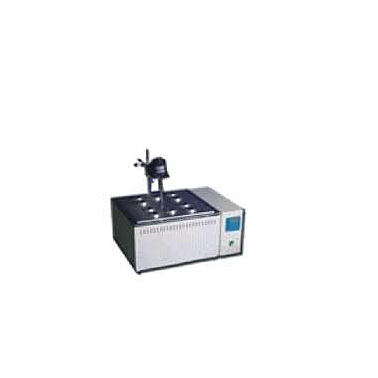
Why inspection matters for oil resistance testing equipment
Oil resistance testing is commonly used to evaluate how materials respond after exposure to oil or similar media. Because the outcome may influence product approval, material selection, or process validation, even small deviations in equipment condition can affect repeatability and confidence in the final result.
A structured inspection helps identify issues such as unstable operating conditions, wear-related problems, improper control response, or other factors that may impact measurement consistency. For laboratories working under internal quality systems or external audit requirements, periodic inspection also supports better documentation and traceability of equipment status.
What is typically assessed during the inspection service
The exact inspection scope can vary depending on the tester design, operating principle, and how the equipment is used in the laboratory. In general, the process focuses on the overall condition of the unit, key functional checks, and whether the instrument can operate in a stable and repeatable manner within its intended application.
This may include review of the equipment’s physical condition, operational response, control behavior, display or interface status, and general readiness for testing work. The goal is not simply to confirm that the instrument powers on, but to evaluate whether it remains suitable for dependable laboratory use.
- Visual and mechanical condition of the equipment and accessible components
- Functional performance during operation and basic response checks
- Assessment of indicators, controls, or user interface behavior
- Review of equipment condition in relation to routine laboratory use
- Identification of findings that may require maintenance, adjustment, or further technical review
Who should consider this service
This inspection service is relevant for laboratories, manufacturers, material testing facilities, and quality departments that rely on oil resistance evaluation as part of product development or compliance workflows. It is especially useful where test repeatability and equipment readiness are important to daily decision-making.
Organizations that manage multiple pieces of laboratory equipment often benefit from a planned inspection program rather than responding only when a failure occurs. If your facility also operates other controlled laboratory systems, related services such as centrifuge inspection service or biosafety cabinet inspection service may help support a broader equipment reliability plan.
Common reasons to schedule an inspection
Many users arrange inspection at defined intervals as part of preventive quality management. Others request service when they observe irregular test behavior, after equipment relocation, before internal or customer audits, or when preparing a critical project that depends on stable material test data.
Inspection can also be helpful after extended use, following repairs, or when there is uncertainty about whether the instrument is still suitable for the current workload. In these situations, a professional review provides a clearer basis for deciding whether the equipment can continue in service or needs further attention.
How inspection supports laboratory quality and uptime
Routine equipment inspection helps reduce unplanned interruptions by detecting early signs of deterioration before they turn into larger operational problems. This is particularly valuable in environments where delayed testing can affect production schedules, release decisions, or R&D timelines.
From a quality perspective, inspection contributes to more consistent testing conditions and more reliable use of laboratory assets. It also helps teams maintain a better overview of equipment status across the lab. Facilities that manage temperature-sensitive or sterilization-related systems may also review services such as deep freezer checks or autoclave sterilizer inspection as part of the same maintenance strategy.
Points to prepare before requesting service
To make the inspection process more efficient, it is useful to prepare basic information about the equipment, including its current operating condition, recent issues, service history, and how it is used in routine testing. If the instrument is associated with specific internal procedures, test methods, or controlled environments, sharing that context can help align the inspection approach with practical use.
Laboratories should also consider whether the tester has shown any abnormal behavior such as inconsistent results, control instability, abnormal noise, display issues, or unexpected interruptions during operation. These observations can be important for focusing the inspection on the areas most likely to affect performance.
Choosing the right inspection approach
Not every laboratory uses oil resistance testing equipment in the same way. Some applications are focused on routine comparison testing, while others support more demanding development or qualification work. For that reason, the most suitable inspection approach is one that reflects the instrument’s actual use, operating frequency, and role in the quality process.
Inspection service for oil resistance testers should therefore be viewed as part of a broader equipment management framework rather than an isolated task. When inspection is planned appropriately, it becomes easier to maintain dependable operation, identify service needs earlier, and support more consistent laboratory results over time.
For organizations that depend on stable material testing and documented equipment condition, this service provides a practical step toward improved reliability. A well-timed inspection can help confirm that the tester remains fit for purpose and better prepared for ongoing laboratory work.
Get exclusive volume discounts, bulk pricing updates, and new product alerts delivered directly to your inbox.
By subscribing, you agree to our Terms of Service and Privacy Policy.
Direct access to our certified experts