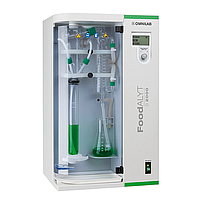
Protein distillation machine inspection
Reliable distillation performance is essential in laboratories that carry out protein and nitrogen analysis, especially in workflows where repeatability, safety, and compliance matter. Over time, heat exposure, vapor pathways, condensers, seals, and control components can drift from their expected condition, which is why protein distillation machine inspection plays an important role in routine laboratory maintenance.
This service category is intended for labs that need a structured way to assess the operating condition of distillation units used in analytical processes. Whether the goal is preventive maintenance, troubleshooting, or verification before intensive use, an inspection helps identify wear, performance issues, and potential risks before they affect daily work.
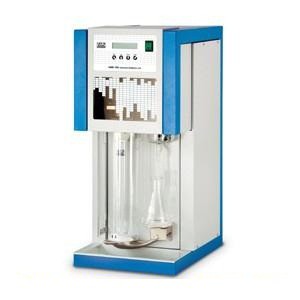
Why inspection matters for protein distillation equipment
In protein analysis environments, distillation units are expected to deliver stable thermal behavior, controlled steam generation, efficient condensation, and dependable fluid handling. When any of these functions becomes inconsistent, the result can be longer processing time, unreliable operation, unexpected downtime, or a higher burden on laboratory staff.
A proper inspection focuses on the overall operating condition of the equipment rather than only obvious faults. This can be especially valuable for laboratories that run regular Kjeldahl-related workflows or depend on distillation equipment as part of a larger analytical sequence.
What is typically reviewed during an inspection service
The exact inspection scope can vary by machine condition and service requirement, but the process generally looks at the main functional areas that influence safe and stable operation. For a distillation unit, this often includes visible mechanical condition, heating and steam-related sections, tubing and connections, condensate pathways, and the status of controls or indicators.
Inspectors may also evaluate whether the unit shows signs of leakage, scaling, residue buildup, unstable temperature behavior, or component wear that could affect routine use. In many laboratories, this kind of review is most useful when performed before a problem becomes severe enough to interrupt production or analytical schedules.
- Assessment of external and internal condition where accessible
- Review of key functional assemblies involved in distillation
- Identification of wear, contamination, or abnormal operating signs
- Support for maintenance planning and service decisions
Suitable for routine laboratory maintenance planning
Inspection services are often used as part of a broader asset management strategy for laboratory equipment. Instead of waiting for visible failure, laboratories can schedule periodic checks to understand the condition of critical instruments and reduce the risk of sudden service interruption.
This is particularly relevant when a distillation system works alongside other controlled laboratory equipment. For example, facilities managing multiple service needs may also review related categories such as centrifuge inspection service or autoclave sterilizer inspection service as part of a coordinated maintenance program.
VELP service relevance in this category
For laboratories operating VELP instruments, model-specific familiarity can be helpful during equipment assessment. The featured service in this category, VELP Distillation Unit Inspection Service, is relevant for users who want inspection support aligned with this type of laboratory distillation equipment.
Where appropriate, users can also explore the VELP brand page for a broader view of the manufacturer’s laboratory equipment ecosystem. This can be useful when a lab standardizes around one supplier and wants a more consistent service and maintenance approach across instruments.
When to consider an inspection
An inspection is worth considering in several common situations: after extended continuous use, before high-throughput testing periods, when operators notice unstable behavior, or when equipment has been idle and is being returned to service. It can also be useful after relocation, maintenance work, or recurring minor issues that have not yet caused a full breakdown.
Typical warning signs may include inconsistent heating response, unusual condensation behavior, visible deposits, fluid leakage, slow cycle behavior, or alarms and control irregularities. Even when performance appears acceptable, a scheduled inspection can still provide a clearer view of component condition and maintenance priorities.
How this service supports laboratory reliability
Inspection service is not only about finding defects; it also supports better planning. By understanding the current state of a protein distillation machine, laboratories can make more informed decisions about cleaning intervals, maintenance timing, spare part replacement, and whether further repair actions are needed.
For quality-focused laboratories, this contributes to a more controlled operating environment and helps protect workflow continuity. In facilities with multiple specialized instruments, similar preventive checks may also be relevant for equipment such as a biosafety cabinet inspection service depending on the lab’s overall setup.
Choosing the right inspection approach
When selecting a service, it is useful to consider the equipment brand, frequency of use, operating environment, and the importance of the unit within the analytical process. Machines used intensively or in regulated laboratory settings often benefit from more structured inspection intervals than units used occasionally.
It is also helpful to define the practical objective in advance: basic condition review, troubleshooting support, pre-maintenance assessment, or periodic preventive inspection. A clear service objective makes it easier to align inspection work with laboratory schedules and equipment management requirements.
Final considerations
Protein distillation machine inspection is a practical service category for laboratories that want to maintain dependable operation, reduce unplanned downtime, and keep critical distillation equipment in a known condition. Rather than treating inspection as a reactive step, many labs use it as part of a more stable and efficient maintenance routine.
If your workflow depends on laboratory distillation performance, a structured inspection can help reveal hidden issues early and support better service planning for the equipment you rely on every day.
Get exclusive volume discounts, bulk pricing updates, and new product alerts delivered directly to your inbox.
By subscribing, you agree to our Terms of Service and Privacy Policy.
Direct access to our certified experts