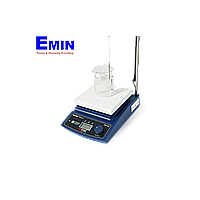
Stirrer Inspection Service
Reliable mixing is easy to overlook until unstable speed, excess vibration, weak torque, or temperature drift begins to affect daily laboratory work. In research, quality control, sample preparation, and routine testing, periodic inspection helps confirm that a stirrer is still operating within expected conditions and remains suitable for the process it supports. This is especially important for equipment used continuously or in procedures where repeatability matters.
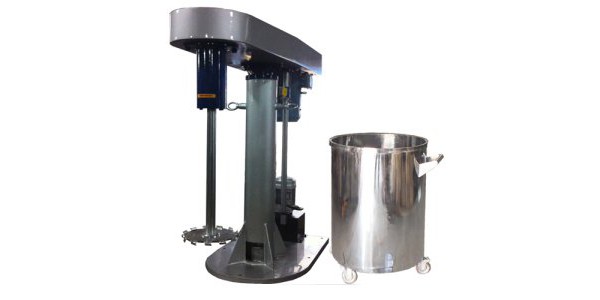
Stirrer Inspection Service is intended for laboratories and technical facilities that need a practical way to review the condition, function, and operational consistency of magnetic stirrers, hot plate stirrers, and overhead stirrers. Rather than focusing only on obvious faults, inspection can help identify gradual performance changes before they lead to downtime, failed batches, or unreliable process results.
Why stirrer inspection matters in laboratory operations
Stirrers are often part of routine workflows, so small deviations may go unnoticed for a long time. A unit may still rotate, but that does not automatically mean it is delivering stable mixing performance under real operating conditions. Wear, contamination, control drift, and mechanical stress can all reduce consistency over time.
A structured inspection supports equipment reliability by checking whether the instrument still performs as expected for its intended use. This is useful for laboratories that need better control over maintenance planning, service records, and operational risk, especially when a stirrer is linked to heating, viscosity-sensitive samples, or repeated preparation steps.
Equipment types commonly covered
This category is relevant to several common stirrer formats used in laboratories and industrial test environments. Magnetic stirrers are widely used for general liquid mixing, while hot plate stirrers combine agitation with controlled heating for sample preparation and chemical processing. Overhead stirrers are typically selected for more demanding applications where higher torque or mixing of thicker materials is required.
Examples in this category include services such as IKA Overhead Stirrer Inspection Service, STUART Hot Plate Stirrer Inspection Service, HANNA Magnetic Stirrer Inspection Service, and JEIOtech Magnetic Stirrer Inspection Service. These examples show that inspection needs can vary depending on the device design, operating principle, and the role the stirrer plays in the lab.
What is typically reviewed during a stirrer inspection
The exact inspection scope may depend on the equipment type, but the process generally focuses on core operating functions. For magnetic and overhead systems, this usually includes a review of speed behavior, stability during operation, control responsiveness, mechanical condition, and visible signs of wear or damage. For hot plate stirrers, the heating function and basic temperature-related performance are also important areas of attention.
Inspection may also help reveal issues such as unusual noise, looseness, poor coupling, inconsistent rotation, or signs that the instrument is no longer suitable for routine use. In many laboratories, this kind of review is part of broader preventive maintenance and inspection practice, alongside related services such as centrifuge inspection service for other critical bench equipment.
When to consider inspection service
Periodic inspection is useful both for equipment that appears to be working normally and for units that are already showing warning signs. Common triggers include unstable stirring speed, failure to maintain set conditions, intermittent operation, overheating, visible corrosion, reduced mixing efficiency, or irregular behavior under load. Laboratories also often schedule inspection after relocation, intensive use, or before internal audits.
If the stirrer is part of a process chain that includes sterilization, cold storage, or other controlled laboratory equipment, a planned inspection approach helps improve consistency across the facility. In that context, some organizations also review related assets such as autoclave sterilizer inspection service to maintain a more complete equipment control program.
Brand coverage and service context
This category includes inspection service references for several widely used manufacturers in laboratory environments, including THERMO, HANNA, YSI, SI ANALYTICS, PCE, STUART, TQCSheen, METABO, and JEIOtech. Brand-specific service listings are helpful because stirrers differ in construction, control layout, and application range, even when they serve similar mixing functions.
Representative services in this category include THERMO Hot Plate Stirrer Inspection Service, YSI Magnetic Stirrer Inspection Service, PCE Magnetic Stirrer Inspection Service, METABO Stirrer Inspection Service, and TQCSheen Hot Plate Stirrer Inspection Service. Where brand compatibility is important for your lab, it can also be useful to review available manufacturer pages such as THERMO for broader equipment context.
How to choose the right inspection scope
The most suitable inspection approach depends on how the stirrer is used, how critical the process is, and whether the unit performs only mixing or both mixing and heating. A basic review may be appropriate for routine bench stirrers used in general applications, while more demanding workflows may require closer attention to control stability, operating condition, and repeatability over time.
It is also worth considering the age of the instrument, operating frequency, sample type, and whether the unit handles corrosive or high-viscosity materials. For overhead stirrers, mechanical integrity and load-related performance may be especially important. For hot plate stirrers, thermal behavior becomes part of the practical inspection picture because heating performance can directly affect process outcomes.
Benefits of routine inspection for B2B laboratories
For laboratories, universities, industrial facilities, and technical service environments, inspection is not only about detecting faults. It also supports better asset planning, reduces unexpected interruption, and helps maintain confidence in routine operations. This is particularly valuable in shared labs or production support environments where multiple users depend on the same equipment.
A consistent inspection program can contribute to process continuity, clearer service documentation, and more informed decisions about repair, replacement, or further evaluation. When managed together with inspections for other lab systems, it becomes easier to prioritize maintenance resources and reduce the chance of unnoticed performance decline across critical equipment.
Finding a suitable stirrer inspection service
Choosing a service within this category starts with identifying the stirrer type, brand, and operational role in your workflow. A magnetic stirrer used for routine sample preparation may require a different inspection focus than an overhead stirrer used for higher-load mixing or a hot plate stirrer involved in temperature-sensitive procedures.
If you are comparing options, it is useful to look at the equipment format first, then review any brand-specific service listings that match your installed base. A well-matched inspection service helps laboratories assess actual equipment condition more effectively and supports safer, more consistent day-to-day operation over the long term.
Get exclusive volume discounts, bulk pricing updates, and new product alerts delivered directly to your inbox.
By subscribing, you agree to our Terms of Service and Privacy Policy.
Direct access to our certified experts