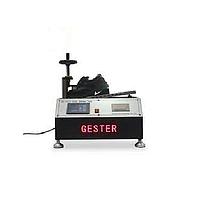
Footwear Testing Equipment Inspection Service
Reliable test data is essential when footwear materials, components, and finished products need to meet internal quality targets or third-party requirements. In practical lab environments, inspection service for testing equipment helps confirm that instruments are functioning correctly, producing consistent results, and remaining suitable for routine use over time.
Footwear Testing Equipment Inspection Service is intended for laboratories, manufacturers, quality teams, and testing centers that rely on mechanical and physical test equipment to evaluate shoe performance, durability, safety, and material behavior. A structured inspection process supports day-to-day confidence in test results while also helping identify wear, drift, damage, or setup issues before they affect product evaluation.
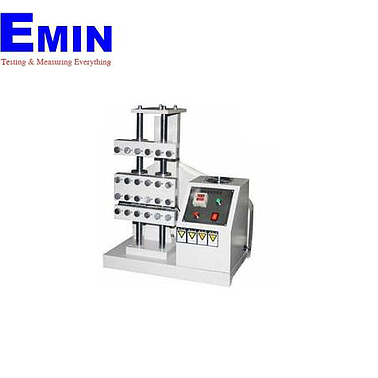
Why inspection service matters for footwear testing equipment
Footwear testing often involves repeated mechanical loading, friction, deformation, heat exposure, and other demanding test conditions. Over time, fixtures can loosen, sensors may shift, moving parts can wear, and control performance may gradually change. Even when equipment still appears operational, these issues can reduce repeatability and make results harder to trust.
An inspection service helps verify the overall condition of the system, review key functional points, and identify whether maintenance, adjustment, or further calibration may be needed. For organizations handling product development, supplier qualification, or production quality control, this step is important for reducing the risk of false pass or fail outcomes.
Typical scope of service
The exact scope depends on the equipment type and its operating principle, but the service generally focuses on the condition and performance of the instrument rather than only its appearance. This can include checks on structural integrity, motion systems, control response, display behavior, connection status, operating consistency, and the general suitability of the unit for continued testing work.
For many labs, inspection is most valuable when it is treated as part of a broader equipment management process. It can be used before heavy testing periods, after relocation, after repair, or as a routine quality measure alongside other specialized services such as abrasion tester inspection where wear-related performance is especially relevant.
Common applications in footwear and materials laboratories
Footwear testing equipment may be used to assess outsole abrasion, upper material durability, flex resistance, bonding performance, thermal behavior, and other physical properties linked to product quality. Because these evaluations often support design approval or production release decisions, maintaining dependable equipment condition is just as important as following the correct test method.
Inspection service is particularly useful in environments where multiple operators use the same instrument, where test fixtures are changed frequently, or where the equipment is exposed to intensive daily workloads. In these cases, regular review can help catch early signs of instability and support more consistent testing across shifts, product lines, or laboratory locations.
Example service context and supported equipment brands
Where relevant to the project scope, service support may involve equipment from TONYHK, including representative solutions such as the TONYHK Quite a fire test equipment Inspection Service. While fire-related equipment serves a different test purpose from standard footwear physical testing, it illustrates the broader need for inspection across specialized laboratory systems that must remain stable, safe, and fit for use.
Brand mention should not be the only basis for service selection. In most B2B settings, the more important factors are the type of instrument, its current condition, usage history, test criticality, and whether the inspection outcome will be used to support internal quality systems or customer-facing documentation.
How to evaluate whether your equipment needs inspection
Several practical signs may indicate that inspection is worth scheduling. These include inconsistent results between repeat tests, unusual noise or vibration, visible wear on clamps or fixtures, unstable displays, irregular actuation, or equipment that has recently been moved, repaired, or returned to service after a long idle period.
Inspection is also a sensible step when test data shows unexplained variation between lots or when multiple instruments produce noticeably different results under similar conditions. For thermal or heating-related systems used in broader materials testing workflows, a related furnace inspection service may also be relevant if your lab handles temperature-dependent evaluations.
What buyers should consider when choosing an inspection service
For procurement teams and lab managers, the goal is not simply to complete a service event but to support dependable operation over the long term. It is useful to clarify the equipment type, test function, service objective, and expected deliverables in advance. This helps ensure the inspection is aligned with the role the instrument plays in your quality process.
Buyers should also consider whether the service provider understands laboratory testing environments, mechanical and physical test principles, and the practical failure points common to heavily used instruments. Good service context includes not only checking whether the system powers on, but assessing whether it continues to perform in a controlled and reliable way during actual testing use.
Related services within the same testing ecosystem
Footwear laboratories often operate more than one class of test instrument, especially when product development includes barrier properties, color change, abrasion, and thermal evaluation. In that kind of setup, equipment inspection is usually more effective when planned as part of a wider lab asset strategy rather than as an isolated activity for a single machine.
Depending on your workflow, related categories such as oxygen permeation system inspection service may also support other material testing tasks handled by the same facility. Reviewing related service categories can help teams standardize how they manage inspection intervals, equipment condition checks, and documentation across the lab.
Supporting consistent quality results
Inspection service plays a practical role in keeping footwear testing equipment dependable, especially in laboratories where results influence product acceptance, development decisions, or customer compliance workflows. By checking the instrument’s condition and functional readiness, organizations can reduce uncertainty and make equipment issues easier to address before they affect testing outcomes.
For teams comparing service options, the best approach is to match the inspection scope to the actual testing application, equipment condition, and operational risk. A well-planned footwear testing equipment inspection program supports more stable workflows, clearer maintenance planning, and greater confidence in the data used to evaluate footwear performance.
Get exclusive volume discounts, bulk pricing updates, and new product alerts delivered directly to your inbox.
By subscribing, you agree to our Terms of Service and Privacy Policy.
Direct access to our certified experts