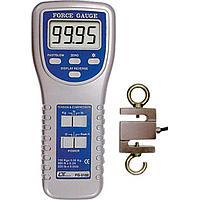
Force Gauges Inspection Service
Reliable force measurement is essential in quality control, product validation, materials testing, and routine production checks. When a gauge begins to drift, even small errors can affect tensile tests, push-pull verification, assembly checks, and acceptance criteria. This is why Force Gauges Inspection Service plays an important role in keeping measurement results consistent and technically defensible.
This service category is intended for users working with mechanical or digital force gauges, tension meters, and related portable force-measurement instruments. Whether the equipment is used in laboratories, manufacturing lines, incoming inspection, or maintenance environments, periodic inspection helps verify instrument condition, detect performance issues, and support more reliable testing workflows.
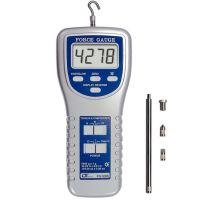
Why inspection matters for force measurement equipment
Force gauges are often used in applications where repeatability and traceability matter as much as the reading itself. Over time, normal use, mechanical stress, transport, environmental exposure, and accidental overload can influence measurement behavior. An inspection service helps identify whether the instrument is still operating as expected and whether it remains suitable for the intended testing task.
For many B2B users, the goal is not only to confirm that a gauge powers on or displays values, but to assess its overall measurement condition. This is especially relevant in operations that depend on controlled testing procedures, audit readiness, or comparison of results across batches, operators, or sites.
Types of instruments commonly covered in this category
This category is centered on inspection services for force gauges, but it also naturally relates to nearby instruments used for tension or pull-force evaluation. In practice, companies may need inspection support for handheld push-pull gauges, tension meters, and similar devices used to monitor force in production, maintenance, or materials handling processes.
Representative examples in this category include the IMADA Force Gauge Inspection Service, DILLON Force Gauge Inspection Service, Cometech Force Gauge Inspection Service, and KERN Force gauge Inspection Service. Related service entries such as the TECLOCK Tension Gauge Inspection Service, Optibelt Tension Meter Inspection Service, and EXTECH Tension Meter Inspection Service show the broader ecosystem of equipment that may require similar condition checks depending on the application.
What users typically expect from a force gauge inspection service
An inspection service generally focuses on verifying the operational state of the instrument and checking whether the gauge remains suitable for measurement work. Depending on the device type, this may involve reviewing basic function, response behavior, display or indicator condition, mechanical integrity, and the general stability of readings under test conditions.
For industrial users, the main value lies in reducing uncertainty before the instrument is returned to daily use. A well-managed inspection process can help uncover signs of wear, overload history, mounting issues, damaged sensing elements, or problems that may later lead to inconsistent results. In facilities where multiple testing instruments are maintained together, this service may also sit alongside other inspection needs such as abrasion tester inspection service or furnace inspection service.
Common application environments
Force measurement instruments are used across a wide range of technical environments. Typical examples include packaging tests, spring evaluation, wire and cable pull checks, button or switch actuation tests, adhesive bond assessment, component insertion and extraction testing, and general product durability verification. In these settings, confidence in the gauge condition directly affects decision-making on product quality.
Inspection is particularly relevant where instruments are moved frequently between workstations or used by different operators. Portable gauges can be exposed to impact, improper storage, side loading, or operation outside the intended range. Even when no obvious damage is visible, periodic review remains a practical step for maintaining confidence in the measurement process.
Brand coverage and service examples
This category includes service options associated with widely used manufacturers such as IMADA, DILLON, ELCOMETER, EXTECH, KERN, PCE, TECLOCK, Optibelt, Arcotest, and Cometech. Brand-specific service entries are helpful for users who already know the equipment family in use and want a more direct path to the relevant service page.
Examples listed in this category include the DILLON Force Gauge Inspection Service, PCE Force Gauge Inspection Service, and TECLOCK Tension Gauge Inspection Service. There are also related entries such as the ELCOMETER Tension Monitor Inspection Service and Arcotest Dyne Test Pen Inspection Service, which can be useful for organizations managing a broader set of physical testing and surface-related inspection instruments.
How to choose the right service page
The most practical starting point is the instrument type and manufacturer. If the device is a push-pull gauge, selecting a force gauge inspection service linked to the correct brand helps reduce ambiguity. If the equipment is specifically used for belt, wire, film, or process tension checks, a tension-oriented inspection service may be more appropriate than a generic force gauge entry.
It is also useful to consider the instrument’s role in the test process. A portable gauge used for quick shop-floor verification may have different service priorities than a unit used in formal laboratory testing. Users handling several categories of physical test equipment may also want to review adjacent services such as discoloration meter inspection service when building a broader maintenance or inspection plan.
When periodic inspection becomes especially important
Some situations make periodic inspection more urgent. These include devices that have been overloaded, dropped, stored for long periods, exposed to dust or humidity, or used in high-frequency testing cycles. Inspection is also advisable when readings appear unstable, results no longer match reference expectations, or multiple gauges give inconsistent outcomes on the same test method.
In many organizations, inspection intervals are influenced by usage intensity, internal quality procedures, customer requirements, or audit practices. Rather than waiting for visible failure, scheduled checks help identify emerging problems earlier and support better planning for maintenance, replacement, or further evaluation.
Supporting consistent testing workflows
A force gauge is often only one part of a larger quality and testing system, but it can become a critical point of error if neglected. Regular review of instrument condition supports better repeatability, more dependable comparisons between tests, and improved confidence in inspection records. For teams responsible for product validation or production release, this helps reduce avoidable disputes caused by questionable measurement data.
If your operation depends on handheld force measurement, push-pull checks, or tension monitoring, choosing the appropriate inspection service is a practical way to keep equipment aligned with day-to-day technical requirements. This category brings together relevant service options for different brands and related instrument types, making it easier to select the most suitable path for your equipment and application.
Get exclusive volume discounts, bulk pricing updates, and new product alerts delivered directly to your inbox.
By subscribing, you agree to our Terms of Service and Privacy Policy.
Direct access to our certified experts