
Heat seal strength tester Inspection Service
Reliable package performance often depends on one critical checkpoint: whether the seal can withstand handling, transport, storage, and end-use conditions without failure. When a heat sealing process is part of production or quality control, regular inspection of the test equipment used to verify seal integrity becomes an important part of maintaining confidence in test results.
Heat seal strength tester Inspection Service supports laboratories, packaging lines, and quality departments that rely on seal strength data for material evaluation and process validation. A properly inspected tester helps reduce uncertainty in mechanical testing, improves repeatability, and supports more consistent decision-making in routine quality work.
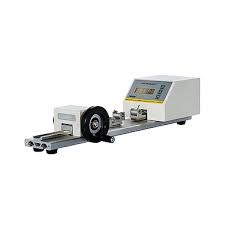
Why inspection matters for heat seal strength testing equipment
Heat seal strength testing is commonly used to assess how strongly two sealed layers are bonded and how that bond performs under applied force. Because the result is influenced not only by sample preparation but also by the condition of the testing instrument, inspection helps confirm that the equipment is operating in a stable and dependable manner.
Over time, normal use can affect alignment, gripping performance, force application behavior, and general mechanical condition. An inspection service provides a structured check of the tester so that potential issues can be identified before they lead to inconsistent readings, unnecessary product rejection, or false confidence in seal performance.
What this inspection service typically supports
This service is relevant for organizations using seal strength testing in packaging development, incoming material evaluation, production quality control, and failure analysis. It is especially useful where seal performance is linked to product protection, shelf-life expectations, or transport durability.
In practical terms, inspection helps verify that the tester remains suitable for routine mechanical testing tasks. That may include reviewing the instrument’s operating condition, mechanical movement, basic functional performance, and overall readiness for continued use in a controlled test environment.
Common situations where an inspection is recommended
Many users schedule inspection as part of a preventive maintenance or quality assurance program. It can also be appropriate after relocation, after intensive use, following unusual test behavior, or when there are questions about result repeatability between batches or operators.
If a site runs several packaging and material test systems together, it is often helpful to review related equipment in the same maintenance cycle. For example, teams working with barrier property testing may also need water vapor transmission rate test system inspection support as part of a broader packaging quality workflow.
Key benefits for quality control and compliance workflows
A structured inspection program helps improve test repeatability and supports more reliable comparison of results over time. This is particularly important when seal strength data is used to approve packaging materials, monitor process changes, or investigate sealing defects.
Inspection also contributes to better internal control of testing assets. When equipment condition is reviewed regularly, teams can plan corrective action earlier, reduce unplanned downtime, and keep testing operations aligned with internal procedures. In environments where multiple packaging properties are monitored, related services such as oxygen permeation system inspection may also be relevant.
How heat seal strength testing fits into a broader testing environment
Seal strength is only one part of packaging and material performance evaluation. Many laboratories and manufacturing sites manage a wider set of physical and mechanical tests to understand how a material behaves under real operating conditions. In that context, keeping each instrument in proper working condition supports more coherent quality data across the full test process.
For some applications, seal verification may sit alongside durability or surface-related assessments. Depending on the product type and test scope, users may also work with services such as abrasion tester inspection or visual quality tools including discoloration meter inspection.
Points to consider when arranging an inspection service
Before scheduling service, it is useful to review how frequently the tester is used, the type of materials being tested, and whether the instrument is part of a critical release or validation process. Equipment that supports high sample throughput or strict internal quality requirements may benefit from more regular inspection intervals.
It is also helpful to document any observed issues in advance, such as inconsistent gripping, unusual force behavior, operator concerns, or visible wear. Providing this context can make the inspection process more efficient and help focus attention on the areas most likely to affect seal strength testing performance.
Choosing a practical inspection approach
The right service approach should match the role of the instrument in your operation. For some users, inspection is mainly about confirming ongoing usability and identifying mechanical issues early. For others, it supports a broader quality system where equipment condition, traceability, and documented maintenance are all closely managed.
Where packaging performance data influences product acceptance, process control, or supplier evaluation, routine inspection of the tester is a sensible step. A well-maintained and properly reviewed instrument helps preserve confidence in results and strengthens the overall reliability of the mechanical testing process.
Conclusion
Consistent seal evaluation starts with confidence in the instrument performing the test. This Heat seal strength tester Inspection Service is designed to help users maintain dependable equipment condition, reduce the risk of inconsistent measurements, and support everyday packaging quality activities with greater assurance.
Whether the tester is used in development, production support, or routine quality control, regular inspection is a practical way to protect the value of your test data and keep critical packaging decisions on a sound technical basis.
Get exclusive volume discounts, bulk pricing updates, and new product alerts delivered directly to your inbox.
By subscribing, you agree to our Terms of Service and Privacy Policy.
Direct access to our certified experts