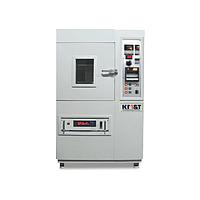
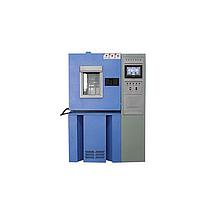
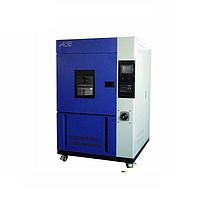
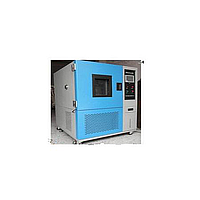
Ozone Aging Test Chamber Inspection Service
Reliable material durability testing depends not only on the chamber itself, but also on the condition of the equipment over time. In laboratories, quality control environments, and industrial testing workflows, regular inspection helps keep ozone exposure testing consistent, traceable, and aligned with internal quality requirements. That is why Ozone Aging Test Chamber Inspection Service is an important part of maintaining dependable test performance.
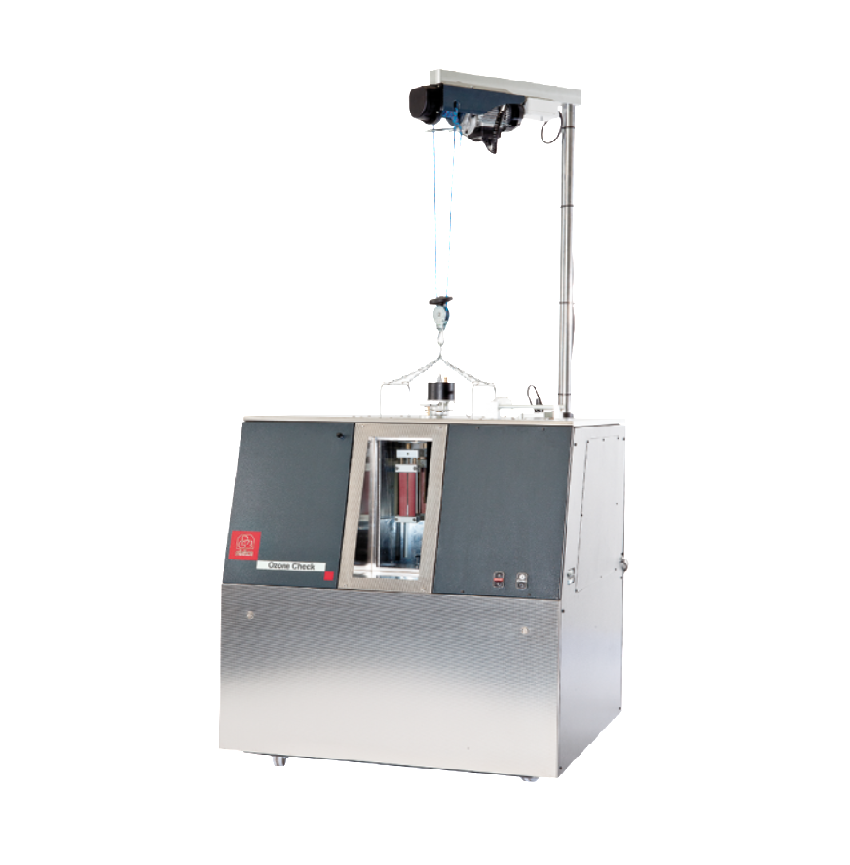
An ozone aging chamber is typically used to evaluate how rubber, elastomers, coatings, and related materials respond to ozone-rich environments that can accelerate cracking, degradation, or surface changes. Because these tests are often used for product validation or comparative material assessment, inspection work should focus on the chamber’s operating condition, core functions, and overall suitability for ongoing use.
Why inspection matters for ozone aging test equipment
Ozone aging tests are sensitive to environmental and operational stability. If the chamber condition drifts, the test environment may no longer reflect the intended setup, which can affect repeatability and confidence in the results. Inspection is therefore a practical way to identify issues before they turn into larger testing errors or equipment downtime.
For many users, the goal is not only to confirm that the system powers on, but to review the overall health of the chamber, including the functional status of critical components and the integrity of the testing environment. This is especially relevant in facilities that rely on ozone aging data alongside other specialized material tests such as oxygen permeation system inspection services for broader barrier and durability evaluation workflows.
What an ozone aging test chamber inspection service generally covers
A well-structured inspection process typically looks at the chamber from both an operational and application perspective. The purpose is to assess whether the equipment remains fit for routine testing and whether its condition supports stable use in a laboratory or production support environment.
Depending on the equipment type and service scope, inspection may involve checks related to chamber operation, ozone generation or exposure function, control behavior, display and interface response, airflow or environmental consistency, sealing condition, and signs of wear that could influence testing. The focus is on the chamber as a material testing system, rather than on isolated parts alone.
- General equipment condition and visible wear
- Functional status of core chamber operations
- Control and monitoring behavior during use
- Suitability for continued ozone aging test applications
- Early identification of issues that may affect test consistency
Typical applications for ozone aging chamber inspection
Ozone aging chambers are commonly used where long-term material resistance matters. Rubber parts, seals, insulation materials, polymer components, and flexible industrial products may all require accelerated exposure testing to evaluate resistance to ozone-induced damage. In these settings, inspection supports more stable testing routines and better confidence in comparative assessments.
This type of service is especially relevant for manufacturers and labs that handle incoming material validation, product development, failure analysis, or periodic equipment review. It also fits organizations managing multiple physical test devices, where inspection planning may extend to related equipment such as abrasion tester inspection services and thermal equipment used in broader durability programs.
Representative equipment and service references
Within this category, users may be looking for inspection support for systems from established names such as KMT, JFM, and MStech. Typical examples include the KMT Ozone tester Inspection Service, the JFM Ozone Aging Test Machine Inspection Service, and the MStech Ozone tester Inspection Service. These references help illustrate the kinds of equipment addressed within the category, while the inspection objective remains centered on equipment condition and practical usability.
When evaluating service options, it is useful to consider the chamber type, current operating status, test frequency, and any known inconsistencies in daily use. Different users may prioritize different outcomes, such as preventive maintenance planning, troubleshooting support, or routine condition verification before critical testing cycles.
How to choose the right inspection scope
Not every ozone aging chamber is used in the same way. Some systems are run frequently for routine quality control, while others are used for development work or occasional validation testing. Choosing the right inspection scope starts with understanding how the chamber is used, what materials are being tested, and how important result consistency is to your internal process.
In practice, buyers often review a few key points: the equipment brand and model involved, the chamber’s service history, the urgency of the inspection, and whether the inspection needs to fit into a wider review of laboratory assets. If your testing environment includes other specialized physical test systems, related categories such as water vapor transmission rate test system inspection services can also help support a more coordinated maintenance approach.
Benefits of regular inspection in B2B testing environments
For industrial and laboratory users, regular chamber inspection helps reduce uncertainty in day-to-day operation. It can support more efficient planning, improve visibility into equipment condition, and help teams respond earlier to signs of functional decline. This matters when ozone aging results are used to compare materials, support product decisions, or maintain internal quality documentation.
Inspection also contributes to better lifecycle management of mechanical and physical testing equipment. Instead of reacting only after a failure occurs, companies can use periodic inspection as part of a more structured asset care strategy. In environments where multiple test methods are used together, that approach often improves both uptime and testing continuity.
When to consider an inspection service
There are several common situations where an inspection service becomes especially useful. One is after extended equipment use, when performance concerns start to appear or when the chamber has not been reviewed for some time. Another is before important validation work, supplier qualification testing, or internal audits where stable equipment condition matters.
Users may also request inspection after relocating equipment, after periods of inactivity, or when comparing the condition of older systems against current testing needs. In each case, the goal is straightforward: to understand whether the chamber remains suitable for reliable ozone exposure testing and what follow-up actions may be appropriate.
Supporting consistent ozone aging test operations
Choosing an ozone aging chamber inspection service is ultimately about protecting the value of your testing process. Whether you use equipment from KMT, JFM, or MStech, regular review of chamber condition can help maintain confidence in daily operation and reduce the risk of unnoticed performance issues affecting material evaluation.
If your team depends on repeatable laboratory testing and long-term equipment usability, this category provides a practical starting point for reviewing available service options and matching them to your chamber type, operating demands, and inspection priorities.
Get exclusive volume discounts, bulk pricing updates, and new product alerts delivered directly to your inbox.
By subscribing, you agree to our Terms of Service and Privacy Policy.
Direct access to our certified experts