
Thermal Shock Chamber Inspection Service
When a test program depends on rapid temperature transitions, chamber condition and measurement reliability become critical. A well-planned Thermal Shock Chamber Inspection Service helps manufacturers, laboratories, and quality teams confirm that the equipment is operating consistently, safely, and in line with the demands of thermal cycling and environmental stress testing.
Thermal shock chambers are used to expose materials, components, and finished products to sudden shifts between hot and cold environments. In this context, inspection is not only about checking whether the chamber powers on, but also about reviewing overall operating condition, response behavior, control performance, and the integrity of key functional systems that affect repeatable testing.
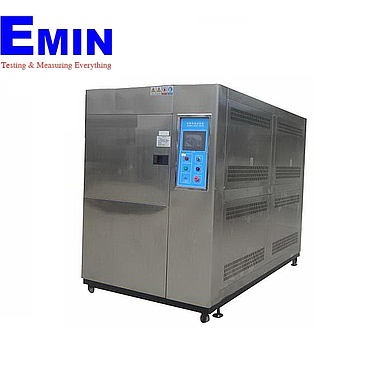
Why thermal shock chamber inspection matters
In production, R&D, and reliability verification, a thermal shock chamber is often used to reveal weaknesses caused by expansion, contraction, and sudden thermal stress. If the chamber itself is not performing as expected, test results may become difficult to trust, especially when qualification decisions depend on stable and repeatable temperature transfer conditions.
A professional inspection service supports equipment reliability by identifying wear, abnormal operation, control issues, or performance drift before they affect testing schedules. It can also help maintenance planning, reduce unplanned downtime, and provide a clearer basis for deciding whether the chamber needs adjustment, service, or further technical evaluation.
What is typically reviewed during inspection
The scope of inspection can vary depending on the chamber type, usage history, and site condition, but it generally focuses on the overall health of the system. For thermal shock equipment, this usually involves checking the chamber structure, operating sequence, temperature transition behavior, control interface, and the condition of major mechanical and electrical assemblies.
Inspection may also include review of door sealing, transfer mechanisms, sensors, airflow-related behavior, alarms, and the general stability of the hot and cold zones. For users operating chambers from brands such as ESPEC or MStech, brand-specific service familiarity can be useful when interpreting operating symptoms and equipment condition in a practical way.
Suitable applications across industries
This service is relevant wherever products must withstand harsh temperature changes during development or quality validation. Common use cases include electronics, electrical assemblies, automotive components, industrial parts, packaging materials, and other products that may experience sudden thermal stress during transport, storage, or field operation.
For B2B users, inspection is especially important when the chamber is part of a formal test workflow tied to customer requirements or internal quality standards. A chamber that appears functional in daily use may still show signs of uneven operation, delayed response, or aging components that influence test confidence over time.
Representative service options in this category
This category includes service options such as the ESPEC Thermal Shock chamber Inspection Service and the MStech thermal Shock chamber Inspection Service. These examples reflect the need for inspection support tailored to actual chamber platforms used in industrial and laboratory environments.
Rather than treating every chamber the same, inspection should consider the equipment design, operating cycle, and maintenance history. That approach is especially valuable for facilities managing multiple environmental test systems, where consistency between chambers is important for comparison, traceability, and scheduling.
How to choose the right inspection service
When selecting a service, it helps to start with the role of the chamber in your process. If the equipment is used for incoming validation, qualification, or reliability screening, inspection should prioritize operating consistency, response behavior, and signs of deterioration that may affect repeatability. If the chamber is older or heavily used, the review should also pay closer attention to mechanical wear and system stability.
It is also useful to prepare basic information in advance, such as manufacturer, service history, current symptoms, frequency of use, and whether there have been recent deviations in test performance. This allows the inspection process to focus on the most relevant risk areas and helps users move more efficiently toward maintenance or corrective action if required.
Related inspection services in a broader test environment
Facilities that use thermal shock chambers often operate other material and environmental test systems as well. In those cases, it can be practical to review related services such as furnace inspection service for high-temperature equipment or water vapor transmission rate test system inspection service when packaging and barrier-property testing are part of the same quality workflow.
Looking at inspection needs across the full equipment base can improve service planning and reduce disruption to testing operations. It also helps teams maintain a more consistent approach to equipment condition control, especially in laboratories where several test methods support the same product qualification process.
When to schedule an inspection
Inspection is commonly considered when a chamber is newly installed, returned to service after repair, used intensively over long periods, or showing signs of inconsistent behavior. Other triggers may include abnormal alarms, slower-than-expected operation, unexpected test variation, or preparation for audits and customer-related verification work.
Even without an obvious fault, periodic inspection can provide useful visibility into chamber condition. For organizations that rely on environmental testing as part of release, validation, or supplier approval, this preventive approach can be more effective than waiting for a failure to interrupt production or laboratory schedules.
Supporting dependable thermal shock testing
A thermal shock chamber is only as valuable as the confidence users can place in its operation. By reviewing the chamber’s condition, key functional behavior, and overall readiness for use, inspection service supports more dependable testing and more informed maintenance decisions.
If your workflow depends on rapid temperature transition testing, choosing the right thermal shock chamber inspection support can help protect test integrity, reduce uncertainty, and keep critical equipment performing in a way that matches your quality objectives.
Get exclusive volume discounts, bulk pricing updates, and new product alerts delivered directly to your inbox.
By subscribing, you agree to our Terms of Service and Privacy Policy.
Direct access to our certified experts
