
Concrete Tester Inspection Service
Reliable concrete testing depends not only on the instrument itself, but also on its inspection status, measurement stability, and overall readiness for field or laboratory use. When testing equipment is used for structural assessment, construction quality control, or material verification, a proper Concrete Tester Inspection Service helps reduce uncertainty and supports more consistent results across projects.
This service category is intended for organizations that use concrete testing instruments in civil engineering, building inspection, infrastructure maintenance, and materials evaluation. Whether the equipment is used on active construction sites or in routine technical verification workflows, inspection plays an important role in maintaining dependable operation and identifying issues before they affect testing outcomes.
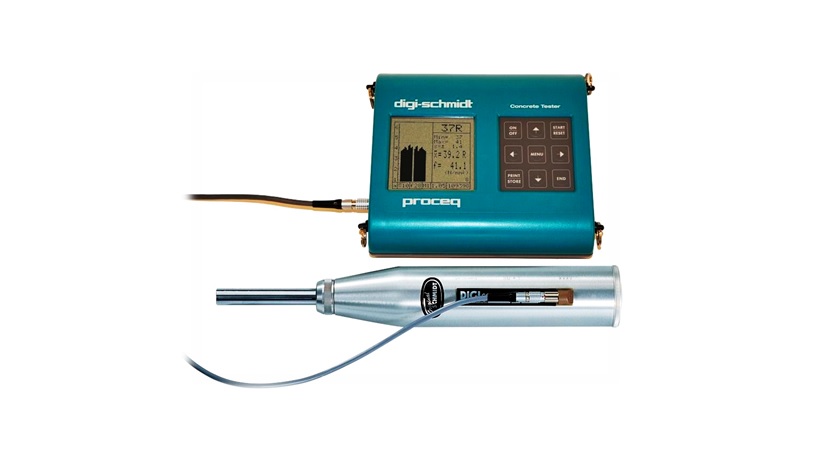
Why inspection matters for concrete testing equipment
Concrete test instruments are often exposed to demanding working conditions such as dust, vibration, repeated transport, outdoor environments, and frequent handling. Over time, these factors can affect sensor response, mechanical condition, connection points, display behavior, or signal consistency. A structured inspection process helps detect these problems early and supports better control over equipment performance.
For contractors, testing laboratories, consultants, and maintenance teams, routine inspection is also a practical part of equipment management. It helps verify whether a device remains suitable for ongoing use, whether servicing may be needed, and whether the instrument can continue to support internal quality procedures. In applications where test data influences technical decisions, equipment condition should never be treated as secondary.
Scope of concrete tester inspection service
A concrete tester inspection service generally focuses on the working condition, functionality, and observable performance of the instrument. Depending on the equipment type, this may involve checking the physical condition of the unit, verifying core operating functions, reviewing interface and response behavior, and confirming that the device can be used as intended in its normal application environment.
This category covers inspection needs for concrete-related testing instruments and related service requirements. In practice, some users may also operate specialized devices for impact-based assessment, reinforcement location, or internal concrete evaluation. Where relevant, it can be useful to review related services such as concrete test hammer inspection or concrete ultrasonic detector inspection for equipment used in complementary test methods.
Typical users and application environments
This service is relevant to a wide range of technical users. Construction firms may rely on inspected instruments during acceptance checks and on-site quality control. Engineering consultants may need dependable tools for condition assessment and reporting. Laboratories and inspection bodies often require equipment in stable operating condition to support repeatable procedures and internal documentation.
It is also useful for asset owners and maintenance teams working on bridges, industrial floors, foundations, retaining structures, and reinforced concrete elements. In these environments, testing equipment may be used intermittently or across multiple sites, which increases the importance of checking function, handling condition, and operational reliability before critical measurements are performed.
Illustrative service case: Jeweltest equipment
Where a specific brand is part of the installed equipment base, brand familiarity can support a more relevant service workflow. For example, Jeweltest is one of the manufacturers referenced in this category context, and the listed SJJW Pile Integrity Tester Inspection Service reflects an example of inspection support for equipment used in concrete and foundation-related evaluation.
Although pile integrity testing is a specialized application, it sits within the broader ecosystem of structural and material assessment where instrument condition directly affects confidence in field data. Mentioning a representative service such as the SJJW inspection offering helps clarify that this category is not limited to one narrow instrument format, but supports practical inspection needs across concrete testing workflows.
How to choose the right inspection service for your equipment
The right service approach depends on how the device is used, how often it is moved, and how critical its measurements are to project decisions. If the instrument is regularly deployed in field testing, inspection may need to focus closely on physical wear, connectors, controls, response behavior, and overall usability. For equipment stored between projects, service may be especially useful before redeployment to confirm readiness.
It is also worth considering whether your workflow involves multiple concrete-related instruments rather than a single tester. In that case, selecting services by application type can make planning easier and help standardize maintenance schedules. For reinforced concrete diagnostics, users may also need cover meter and rebar detector inspection or rebar corrosion detection inspection as part of a broader asset evaluation program.
Benefits of routine inspection in quality and maintenance workflows
A consistent inspection program helps organizations manage test equipment more effectively over time. It supports traceability in internal quality systems, reduces the risk of using instruments with unnoticed faults, and can help teams schedule service actions before equipment issues disrupt fieldwork or reporting timelines.
From an operational standpoint, routine inspection also supports better planning for maintenance, replacement, and usage allocation. Instead of reacting only after a problem appears during a project, teams can make more informed decisions about which instruments are ready for deployment and which require further attention. This is especially valuable in B2B environments where equipment availability affects both productivity and technical accountability.
When to arrange inspection service
Many users choose inspection at regular intervals, but timing can also depend on actual usage conditions. Service may be appropriate after intensive field campaigns, after accidental impact or transport damage, before an important testing phase, or when operators notice unstable readings, irregular device behavior, or visible wear. These practical triggers often provide a more useful basis for inspection planning than a fixed schedule alone.
If your team manages multiple concrete testing devices, grouping inspections by project cycle or equipment family can improve efficiency. This approach is often easier to coordinate across procurement, maintenance, and technical departments, particularly when different tools support related inspection tasks within the same construction or structural assessment workflow.
Support more dependable concrete testing operations
Concrete testing decisions are only as reliable as the condition of the instruments used to support them. A well-managed inspection service helps confirm that equipment remains fit for purpose, supports stable operation, and aligns with the practical needs of construction and engineering teams.
For organizations working with concrete evaluation tools, this category provides a focused starting point for maintaining testing equipment in usable condition. If your workflow includes specialized instruments or complementary test methods, reviewing related inspection services can also help build a more complete and practical equipment support plan.
Get exclusive volume discounts, bulk pricing updates, and new product alerts delivered directly to your inbox.
By subscribing, you agree to our Terms of Service and Privacy Policy.
Direct access to our certified experts
