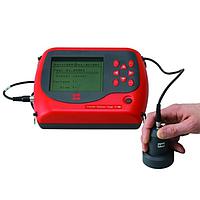
Floor Slab Thickness Meter Inspection Service
Reliable slab thickness readings matter when concrete structures must be evaluated without unnecessary demolition. In construction quality control, renovation planning, and structural assessment, inspection of the measuring instrument itself is just as important as the measurement task. This page focuses on Floor Slab Thickness Meter Inspection Service for users who need confidence that their thickness meter is operating consistently and is suitable for field use.
Why inspection of slab thickness meters matters
A floor slab thickness meter is commonly used to estimate slab or concrete section thickness in non-destructive testing workflows. If the instrument is not checked periodically, measurement drift, unstable readings, or poor signal response can affect evaluation results and lead to incorrect decisions during inspection or acceptance work.
A proper inspection service helps verify whether the device responds as expected, whether its core measurement functions remain stable, and whether it is still appropriate for routine site work. This is especially relevant for contractors, test labs, engineering consultants, and maintenance teams that depend on repeatable data across multiple projects.
Typical use cases for this service
This category is relevant for organizations working with concrete floors, slabs, decks, and structural elements where thickness verification supports construction documentation or condition assessment. It is often used before handover, during building surveys, or when checking whether built conditions align with design expectations.
Inspection is also useful when a meter has been used intensively on site, stored for a long period, or exposed to rough transport conditions. In these situations, a service check can reduce uncertainty before the instrument is sent back into active testing work.
What is usually checked during floor slab thickness meter inspection
Although the exact workflow depends on the instrument type, the goal is generally to assess the condition and functional performance of the device. This may include review of operating status, response behavior, reading consistency, and overall usability under normal testing conditions.
For users managing several concrete NDT instruments, this service is often part of a broader maintenance routine alongside related equipment such as concrete ultrasonic detector inspection and cover meter and rebar detector inspection services. This helps maintain a more consistent inspection chain across different test methods.
Representative instruments covered in this category
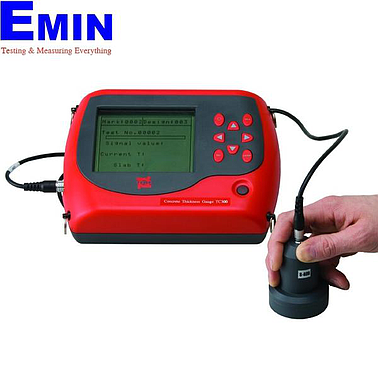
The service scope can include commonly used models such as the SJJW Floor Slab Thickness Meter Inspection Service from Jeweltest and the TIME Concrete Thickness Gauge Inspection Service from TIME. These examples show the practical focus of the category: checking concrete thickness measuring instruments used in field inspection and technical evaluation.
Different brands may vary in interface, sensing method, or operating workflow, but the service objective remains similar: to confirm the instrument is functioning properly and to support dependable use in real project conditions. When selecting a service, users typically look for compatibility with the device model and relevance to the intended testing application.
How to choose the right inspection service
When sending a slab thickness meter for inspection, it helps to prepare a few basic details in advance. The device model, manufacturer, observed symptoms, and recent usage conditions can all make the process more efficient. If the instrument shows unstable behavior, intermittent startup issues, or unexpected differences in readings, these notes can help clarify the inspection focus.
It is also practical to consider the instrument’s role within the wider testing workflow. For example, a team performing concrete strength and internal quality evaluation may also need related services such as concrete test hammer inspection or rebar corrosion detection inspection. Reviewing the full set of active instruments can improve planning and reduce equipment downtime.
Benefits for contractors, laboratories, and asset owners
For contractors and site teams, an inspected instrument supports smoother fieldwork and reduces the risk of relying on questionable readings. For testing laboratories and consultants, it helps strengthen reporting credibility and internal quality procedures. For building owners and maintenance teams, it contributes to better-informed decisions during investigation, refurbishment, or structural monitoring.
In practical terms, regular inspection supports measurement reliability, helps identify performance issues early, and can extend the useful service life of specialized concrete testing equipment. It also makes instrument management more predictable when multiple projects are running at the same time.
When to arrange an inspection
There is no single schedule that fits every operation, but inspection is commonly considered after heavy site use, after impact or transport-related incidents, before important testing campaigns, or when readings appear inconsistent. Instruments that are critical to compliance documentation or project acceptance often benefit from more disciplined service planning.
If your organization uses slab thickness meters as part of a broader concrete evaluation process, it is sensible to review them together with other key NDT devices rather than waiting for obvious faults to appear. A proactive approach usually saves time compared with dealing with instrument uncertainty in the middle of a project.
Support more dependable concrete thickness testing
This category is intended for users who need a practical way to maintain confidence in their concrete thickness measurement tools. Whether you are working with a Jeweltest or TIME instrument, or managing a broader portfolio of concrete testing equipment, the right inspection service helps keep your workflow more consistent and easier to trust.
Choosing an appropriate floor slab thickness meter inspection service is not only about checking a device once. It is part of building a dependable testing process for concrete structures, where equipment condition, measurement quality, and project decisions are closely connected.
Get exclusive volume discounts, bulk pricing updates, and new product alerts delivered directly to your inbox.
By subscribing, you agree to our Terms of Service and Privacy Policy.
Direct access to our certified experts