Pull Off Tester for Concrete Inspection Service
Reliable bond strength testing depends not only on the condition of the concrete surface, but also on the accuracy and mechanical integrity of the instrument itself. When a pull-off tester is used to evaluate coatings, repair mortars, overlays, or tensile adhesion on concrete, regular inspection helps maintain confidence in the test process and reduces the risk of inconsistent field results.
Pull Off Tester for Concrete Inspection Service is intended for users who need their equipment checked for proper operation, stable performance, and suitability for ongoing testing work. This is especially relevant for contractors, laboratories, civil engineers, quality control teams, and inspection providers working on structural assessment, repair verification, and acceptance testing.
Why inspection service matters for pull-off testing equipment
A pull-off test is commonly used to assess adhesion strength or near-surface tensile performance in concrete-related applications. Because the method relies on controlled force transfer through a bonded dolly and a mechanical or hydraulic loading system, the tester must operate correctly to support meaningful measurements. Wear, impact, improper handling, or long service intervals can affect performance over time.
An inspection service helps verify the overall condition of the instrument, identify visible damage or mechanical issues, and support better test reliability in daily use. For organizations that document quality procedures or work under internal QA requirements, periodic inspection also helps maintain traceability in the broader inspection workflow.
Typical situations where this service is useful
This service is often relevant when equipment is used frequently on construction sites, in concrete repair projects, or in laboratories handling repeated bond strength evaluations. It can also be useful before major project mobilization, after long storage, or when users notice irregular behavior during testing.
Common use cases include checking instruments used for coating adhesion tests, repair material verification, substrate preparation studies, and acceptance testing after rehabilitation work. In many projects, pull-off testing is performed alongside other concrete assessment methods such as concrete test hammer inspection service or concrete ultrasonic detector inspection service to build a more complete picture of surface and internal concrete condition.
What an inspection service generally focuses on
For this type of equipment, inspection usually centers on the tester’s physical condition, operation, and readiness for practical use. Depending on the instrument design, this may involve checking loading components, display or reading behavior, connections, accessories, and visible signs of wear that could influence test execution.
The aim is not simply to confirm that the device powers on or appears intact. A good inspection process supports functional readiness by looking at whether the equipment can be used as intended in routine concrete testing environments. This is particularly important where results may influence repair decisions, acceptance criteria, or reporting to clients and consultants.
Equipment example within this category
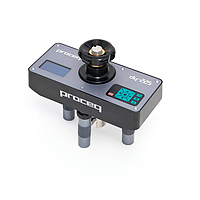
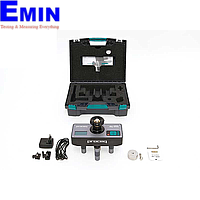
A representative product in this category is the PROCEQPull Off Tester For Concrete Inspection Service. It reflects the kind of instrument used in concrete bond and adhesion evaluation, where handling condition and proper operation directly affect test consistency.
When equipment from established manufacturers is inspected at appropriate intervals, users can better manage downtime, reduce uncertainty before field deployment, and maintain more dependable testing practices. This is especially valuable for organizations that rotate instruments across multiple sites or projects.
How pull-off testing fits into concrete assessment work
Pull-off testing is one part of a broader concrete evaluation process. It is particularly useful when the objective is to understand how strongly a material layer is bonded to a substrate or how the near-surface zone behaves under tensile loading. In rehabilitation and coating applications, that information can be critical for deciding whether a surface is ready for service or additional treatment.
In practice, engineers may combine bond strength testing with other inspection methods depending on the structure and the investigation scope. For example, reinforcement location checks through cover meter and rebar detector inspection service can complement surface strength assessment, while rebar corrosion detection inspection service may be relevant where durability concerns extend beyond the concrete surface.
Points to consider when arranging inspection service
Before sending a pull-off tester for inspection, it is helpful to review how the instrument is being used, whether there have been any unusual readings, and whether all relevant accessories are available. Site-used devices may require attention after transport stress, contamination, or repeated loading cycles. Providing this background can help the inspection process focus on practical issues affecting actual field use.
It is also sensible to consider inspection timing in relation to project schedules. If the tester is part of a quality control chain for active jobs, planning service intervals in advance can reduce disruption. For teams managing multiple concrete testing instruments, coordinated service planning can also support more efficient equipment availability.
Choosing the right service context for your testing workflow
Not every concrete project requires the same mix of inspection support. Some users need periodic checks for a dedicated pull-off tester, while others manage a wider set of instruments for surface hardness, internal flaw assessment, permeability, or reinforcement investigation. The right approach depends on the testing method, usage frequency, and reporting requirements of each project.
For organizations that rely on bond strength measurements in repair, coating, or structural evaluation work, keeping pull-off testing equipment in sound operating condition is a practical step toward more consistent results. A well-timed inspection service helps support measurement confidence, better equipment management, and smoother day-to-day testing operations.
Get exclusive volume discounts, bulk pricing updates, and new product alerts delivered directly to your inbox.
By subscribing, you agree to our Terms of Service and Privacy Policy.
Direct access to our certified experts