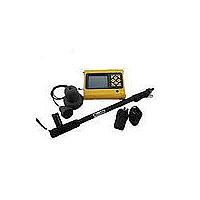
Rebar Corrosion Detection Inspection Service
When reinforced concrete begins to deteriorate from the inside, corrosion in embedded steel is often one of the earliest and most critical causes. In maintenance, quality control, and structural assessment work, a reliable Rebar Corrosion Detection Inspection Service helps identify risk areas before visible cracking, delamination, or spalling becomes more severe.
This category is intended for inspection needs related to corrosion assessment in reinforced concrete structures. It is relevant for contractors, consultants, laboratories, facility owners, and civil engineers who need dependable verification of rebar condition as part of a broader concrete evaluation process.
Why rebar corrosion inspection matters in concrete structures
Steel reinforcement is protected by the alkaline environment of sound concrete, but that protection can be reduced over time by carbonation, chloride ingress, moisture, and other exposure conditions. Once corrosion starts, the steel can expand, creating internal pressure that leads to cracks, surface damage, and reduced long-term durability.
A dedicated inspection service supports early diagnosis rather than relying only on visible symptoms. This is especially important in bridges, buildings, parking structures, marine environments, industrial facilities, and other assets where the condition of reinforced concrete directly affects service life and maintenance planning.
What this inspection service is used for
A corrosion detection inspection service is typically used to evaluate whether embedded reinforcement shows signs of active corrosion risk or conditions associated with corrosion development. The goal is not simply to collect readings, but to provide a more informed basis for maintenance decisions, repair prioritization, and further testing where required.
In practical terms, this type of service can be useful during condition surveys, pre-repair assessments, handover verification, periodic structural maintenance, and investigations of aging concrete. It is often considered alongside related diagnostic work such as cover meter and rebar detector inspection when reinforcement layout and concrete cover also need to be confirmed.
Typical scope of a rebar corrosion detection inspection
The exact inspection scope depends on the structure, access conditions, and test objective, but the service generally focuses on assessing the condition of reinforcing steel within concrete without unnecessary damage to the structure. It may be used to screen large surfaces, identify suspect zones, and support more detailed investigation in selected areas.
Depending on project needs, the inspection may be part of a wider concrete assessment workflow. For example, users may combine corrosion detection with concrete ultrasonic detector inspection to better understand internal concrete condition, continuity, or defect-related concerns that could influence interpretation.
For many structures, the real value of the service is in converting instrument-based findings into actionable maintenance insight. That may include identifying areas that warrant repair, monitoring, or additional evaluation rather than treating the entire structure as if deterioration were uniform.
Representative service options in this category
This category includes solutions associated with established manufacturers such as PROCEQ and ELCOMETER, both of which are widely known in concrete and inspection-related workflows. Their presence in this category helps users quickly identify service options aligned with recognized testing ecosystems.
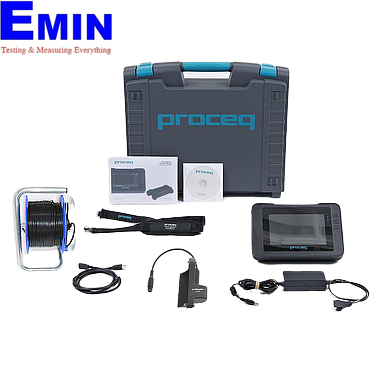
Examples shown here include the PROCEQ Rebar Corrosion Detection Inspection Service and the ELCOMETER Rebar Corrosion Detection Inspection Service. These references are useful for buyers who already work with a preferred brand environment or who want service support connected to familiar concrete inspection equipment practices.
How to choose the right inspection service
Selecting an appropriate service starts with the inspection objective. Some projects focus on preventive maintenance, while others involve troubleshooting visible deterioration, validating repair decisions, or documenting condition for owners and consultants. The expected output should be clear from the start: screening, condition verification, comparative assessment, or support for a broader structural diagnosis.
It is also important to consider the structure type, test area size, surface accessibility, and whether the corrosion check needs to be correlated with other methods. In many cases, corrosion assessment is more useful when interpreted together with concrete cover information, surface condition, moisture exposure, and other non-destructive inspection results.
If your project involves a broader evaluation of concrete quality, related services such as concrete test hammer inspection or permeability tester inspection may also be relevant. These can provide complementary insight into surface hardness or concrete transport-related behavior, depending on the evaluation program.
Who typically uses this category
This service category is relevant to engineering consultants, inspection companies, civil laboratories, contractors, infrastructure operators, and facility maintenance teams. It is particularly useful when reinforced concrete assets are exposed to weathering, chlorides, humidity cycles, or aging conditions that increase the likelihood of reinforcement corrosion.
For B2B procurement teams, the category also simplifies comparison between service options tied to familiar manufacturers and inspection workflows. That makes it easier to shortlist suitable services for bridge maintenance, building rehabilitation, parking deck assessment, industrial plant inspections, and similar applications.
Supporting more informed maintenance decisions
A well-chosen corrosion detection inspection does more than indicate whether a structure has visible damage. It helps reveal hidden deterioration risk in reinforced concrete, allowing teams to plan repair scopes more accurately, reduce unnecessary intervention, and focus resources where the condition actually justifies action.
When combined with the right inspection strategy, this category supports a more complete understanding of reinforcement condition, concrete performance, and maintenance urgency. If you are comparing services for concrete diagnostics, this page is a practical starting point for finding a suitable inspection service for rebar corrosion evaluation in real project conditions.
Get exclusive volume discounts, bulk pricing updates, and new product alerts delivered directly to your inbox.
By subscribing, you agree to our Terms of Service and Privacy Policy.
Direct access to our certified experts